 Edward DP Situmorang
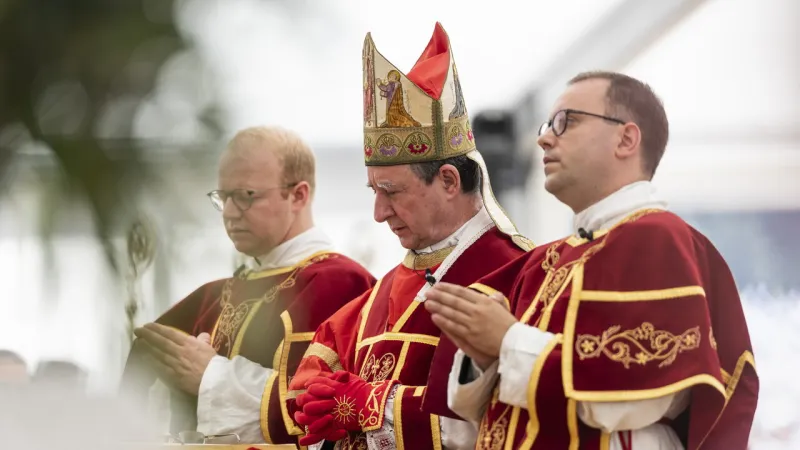
The Vatican has officially decreed the excommunication of the traditionalist Society of Saint Pius X, widely known as the Lefebvrians, in a significant move that declares marriages and confessions administered by their clergy as invalid within the Roman Catholic Church. This decisive action underscores a deepening schism between the Holy See and the ultra-traditionalist group.
This unprecedented declaration, stemming from prolonged doctrinal disputes, signifies a severe canonical penalty. For adherents of the Lefebvrian movement, the decree means their most fundamental spiritual acts, including the sacrament of matrimony and the sacrament of reconciliation, hold no legal or spiritual standing in the eyes of Rome.
The Society of Saint Pius X, founded by the late French Archbishop Marcel Lefebvre in 1970, was established in opposition to the modernizing reforms of the Second Vatican Council (1962-1965). The group has consistently rejected elements such as religious liberty, ecumenism, and the revised liturgy of the Mass, preferring the Tridentine Latin Mass.
Archbishop Lefebvre himself incurred excommunication in 1988 after consecrating four bishops without papal mandate, an act Rome deemed schismatic. Although Pope Benedict XVI controversially lifted the excommunications of these four bishops in 2009, the Society itself remained in an irregular canonical status, not in full communion with the Catholic Church.
Throughout the decades, various attempts at reconciliation between the Vatican and the Lefebvrians have largely failed. Theological dialogues and proposals for a personal prelature, a canonical structure that would grant them some autonomy under direct papal authority, never materialized due to fundamental disagreements on doctrinal acceptance.
The latest decree explicitly targets the spiritual validity of two crucial sacraments. For Catholics, marriage is a sacrament, and its validity is paramount for family life and spiritual well-being. Similarly, confession, or penance, is central to receiving God's forgiveness and graces.
By declaring these sacraments invalid, the Vatican sends a clear message about the gravity of the Lefebvrians current status. It asserts that priestly faculties, essential for validly administering sacraments like marriage and confession, are not legitimately held by SSPX clergy without proper authorization from the local ordinary or the Holy See.
This development poses a profound challenge for the thousands of faithful worldwide who attend Lefebvrian chapels and rely on their priests for spiritual guidance and sacramental life. They now face a stark choice between adherence to the SSPX and full communion with the Roman Catholic Church.
Church officials have often expressed a desire for the full reintegration of the Lefebvrians, emphasizing unity and doctrinal conformity. However, the Society has maintained its stance, insisting on its perception of fidelity to tradition and often criticizing what it views as modern errors within the Church.
The repercussions of this excommunication are far-reaching, potentially leading to further fragmentation among traditionalist Catholics and igniting renewed theological debates. It highlights the Vatican's ongoing efforts to assert its authority and ensure doctrinal coherence across its global adherents.