 Dodi Irawan
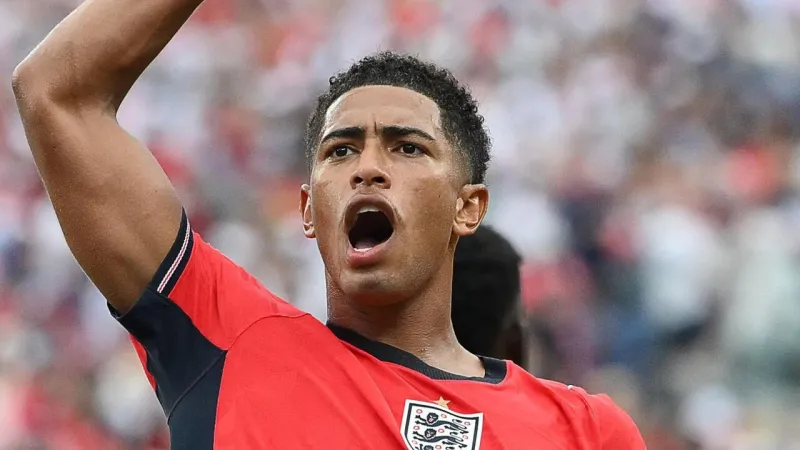
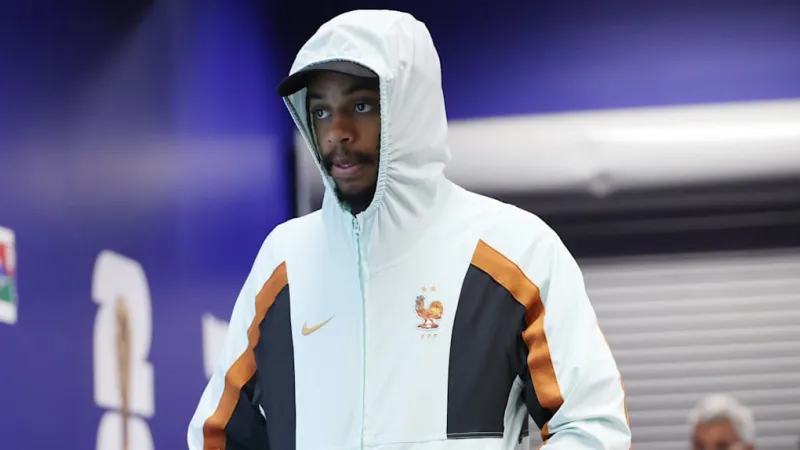
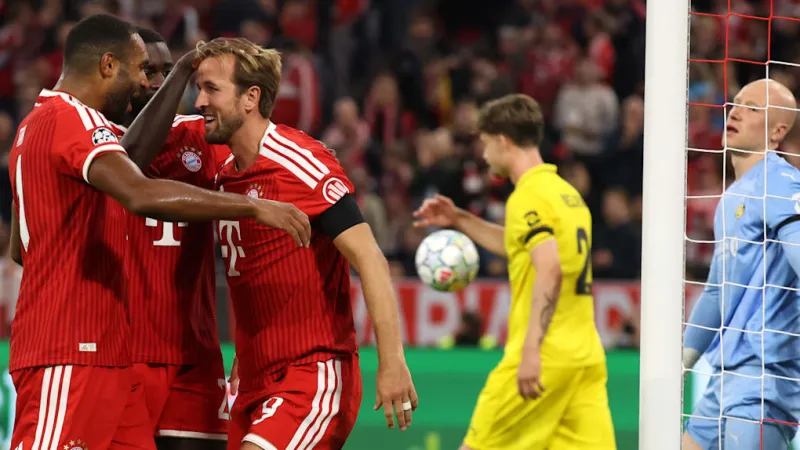
NEW YORK - Fashion authority Vogue has officially crowned a new generation of football stars as the World Cup's preeminent sex symbols, highlighting their global appeal and influence extending beyond the pitch. English midfielder Jude Bellingham, French-Algerian winger Michael Olise, and Argentinian prodigy Nico Paz lead the prestigious list, which also features prominent names like Marcus Rashford and Ferran Torres among its 15 selections.
The inclusion of these athletes by the internationally revered fashion bible underscores a significant cultural shift. It marks a clear recognition of footballers not merely as sporting figures, but as influential style ambassadors and cultural icons who command attention for their charisma, aesthetic, and impact on contemporary trends.
Jude Bellingham, a standout for England, has rapidly ascended to global superstardom. His on-field prowess is matched by a distinctive off-field persona that blends youthful swagger with an emerging sartorial sophistication. Vogue's nod solidifies his status as a magnetic figure whose influence resonates deeply with younger generations worldwide.
Michael Olise, representing France and Algeria, brings a different allure to the list. Known for his elegant play and understated yet impactful personal style, Olise embodies a modern cool that transcends typical athletic branding. His presence on Vogue's roster champions a more nuanced interpretation of masculinity and appeal within the high-stakes world of international football.
Nico Paz, the Argentinian talent, represents the youthful vanguard of this new era. His emergence on such a list signals the fashion world's keen eye for rising stars who possess both undeniable talent and an innate, captivating presence. Paz's inclusion points to a forward-looking perspective on who defines global appeal.
Beyond the top three, the compilation acknowledges the enduring charm and expanding influence of players such as England's Marcus Rashford and Spain's Ferran Torres. Both athletes have long been recognized for their contributions on the field, and this designation from Vogue reaffirms their stature as figures whose appeal extends into the realms of fashion and popular culture. The complete list comprises 15 individuals, each celebrated for their unique blend of athleticism and aesthetic magnetism.
This latest declaration from Vogue reflects a deepening convergence between the realms of professional sports and high fashion. Athletes, particularly those participating in globally significant events like the World Cup, are increasingly viewed as aspirational figures whose personal brands hold substantial commercial and cultural weight. Their attire, grooming, and overall presence are scrutinized and emulated.
The World Cup, a tournament that captivates billions globally, provides an unparalleled stage for these players to exhibit their diverse talents and personalities. As nations battle on the pitch, individual players become beacons of national pride and international celebrity. The dramatic moments of victory and defeat, like those seen when Portugal secured a dramatic win against Croatia, only amplify their public profiles.
Historically, athletes have been admired primarily for their sporting achievements. However, the modern landscape has broadened this perception, elevating them to bona fide style icons. This evolution is partly driven by the pervasive influence of social media, which offers fans unprecedented access to the lives and styles of their heroes off the field.
Brands across various industries are quick to capitalize on this expanded influence, forming lucrative partnerships that further cement the athletes' status as cultural arbiters. From luxury fashion houses to lifestyle brands, endorsements from these football stars carry significant cachet, influencing consumer trends and perceptions globally.
Vogue's annual pronouncements carry considerable weight, often forecasting and shaping mainstream tastes. By identifying these particular footballers as contemporary sex symbols, the magazine not only celebrates their current appeal but also helps to define the evolving standards of masculine beauty and charisma in the public eye for years to come.
The selections indicate a lean towards a diverse range of nationalities and playing styles, reflecting the global nature of both football and fashion. It is not simply about physical attractiveness but also about confidence, individuality, and the ability to command attention both in victory and adversity.
This intersection of sport and style continues to generate significant discourse among fans and industry experts alike. The dialogue often explores how athletic performance intertwines with personal brand building, creating a holistic celebrity persona that resonates far beyond the sporting arena.
Ultimately, Vogue's recognition serves as a testament to the immense power of football as a cultural force. It highlights how the sport not only provides thrilling competition but also acts as a potent platform for shaping global trends in fashion, lifestyle, and aspirational identity. These athletes are not just players; they are global phenomena.