Dorry Archiles

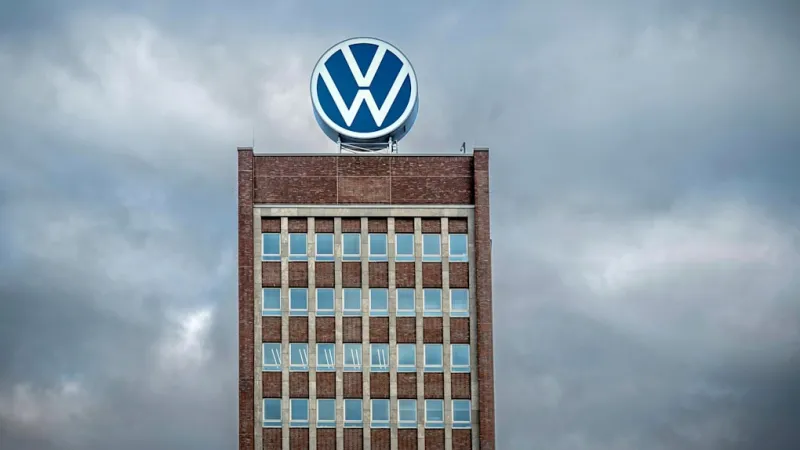
Wolfsburg, Germany – Volkswagen AG is poised to demand a stringent wage freeze for its workforce during the critical 2027 and 2028 negotiating periods, alongside significant adjustments to the established 35-hour workweek. The automotive giant's proactive stance, revealed as collective bargaining discussions loom, signals a formidable push to rein in labor costs and enhance productivity amidst evolving market dynamics.
The proposal, dubbed “Nullrunden” or zero rounds for wage increases, seeks to halt any nominal pay rises for two consecutive years. This ambitious objective represents a stark departure from typical wage agreements within the German automotive sector, where regular salary adjustments are commonplace, reflecting inflation and productivity gains.
Simultaneously, Volkswagen aims to implement “Einschnitte,” or cuts and modifications, to the revered 35-hour workweek. While specific details remain under wraps, this could entail lengthening working hours without compensatory pay increases or introducing greater flexibility that deviates from established norms.
The 35-hour workweek stands as a bedrock of German industrial relations, particularly within the metal and electrical industries where powerful union IG Metall has historically championed its preservation. Any attempt to modify this standard is anticipated to meet considerable resistance from labor representatives.
Sources close to the negotiations indicate that Volkswagen management views these measures as imperative for securing the company's long-term competitiveness. The global automotive industry faces unprecedented challenges, including massive investments in electric vehicle technology, autonomous driving, and digitalization, alongside intense international competition.
The discussions come at a critical juncture for Volkswagen, which is navigating a complex transition away from internal combustion engines while striving to improve profitability and operational efficiency across its vast global enterprise. The company's future financial health is deeply intertwined with its ability to manage labor expenses effectively.
Workers, however, are likely to view a wage freeze as a direct threat to their purchasing power, especially if inflation persists. Such a move could lead to a real-term reduction in income, potentially igniting discontent and sparking industrial action from a historically organized workforce.
IG Metall, one of Europe's largest and most influential trade unions, has consistently prioritized job security and fair compensation. Analysts expect the union to fiercely oppose any proposals that undermine worker benefits or established working conditions, setting the stage for potentially contentious negotiations.
For years, Volkswagen has maintained a reputation as a stable, high-paying employer, largely thanks to robust collective agreements. The proposed changes signal a strategic shift, reflecting broader economic pressures affecting industrial output and consumer demand across Europe.
Observers of the German economy note that other major industrial players will closely monitor these negotiations. A successful implementation of Volkswagen's demands could set a precedent for other companies grappling with similar cost pressures, potentially reshaping the landscape of German labor relations.
The company's leadership must balance the financial imperatives of a global corporation with the social responsibility owed to its substantial domestic workforce. The outcome of these talks will not only impact Volkswagen's future but could also influence the trajectory of labor standards in the broader German manufacturing sector for years to come.
The current year, 2026, presents a dynamic global economic backdrop, characterized by fluctuating energy prices, supply chain vulnerabilities, and geopolitical tensions. These external factors amplify the urgency for companies like Volkswagen to optimize their cost structures, even at the risk of labor disputes.
Previous negotiations in the German automotive industry have often involved hard-fought compromises, reflecting the entrenched power of both management and labor. While management often seeks flexibility and cost control, unions consistently champion the social security and economic well-being of their members.
This latest move by Volkswagen underscores a perceived need for radical measures to safeguard the company's competitive edge in a rapidly transforming industry. The push for wage stability and workweek adjustments is framed as essential for future investments and technological leadership.
The upcoming rounds of collective bargaining will test the resolve of both Volkswagen's management and the powerful union. The implications extend beyond paychecks and work schedules, touching upon the very identity and long-term viability of Germany's industrial heartland.
Ultimately, the ability of both parties to find common ground will determine whether Volkswagen can achieve its cost-saving goals without alienating its vital workforce. The path forward promises to be intricate, marked by intense debate and strategic maneuvers from both sides of the negotiating table.