Gabriella
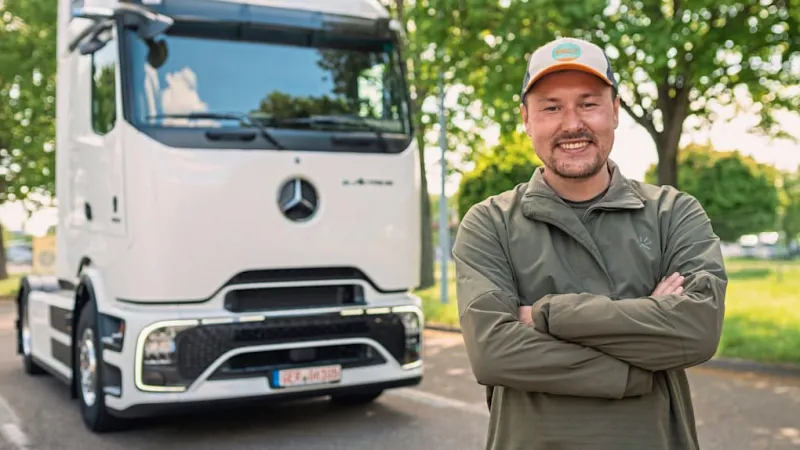
Electric trucks (E-Lkw) are rapidly transforming the commercial freight landscape, proving unexpectedly profitable for hauliers and definitively debunking long-standing industry prejudices regarding range, charging infrastructure, and operational feasibility. This critical shift, championed by figures like truck driver and YouTuber Tobias Wagner, signals a significant reevaluation of zero-emission logistics for businesses.
For years, skepticism dominated discussions surrounding electric heavy goods vehicles. Critics frequently cited limited battery range as a prohibitive factor for long-haul routes, alongside a perceived scarcity of robust charging infrastructure. Concerns also extended to potential disruptions to mandatory rest periods, which are strictly regulated for truck drivers, fearing extended charging times would complicate delivery schedules.
However, recent advancements in battery technology, coupled with strategic investments in charging networks, are fundamentally altering this narrative. What once seemed insurmountable logistical hurdles are now being systematically addressed, paving the way for wider electric truck adoption across various industries.
A critical driver of this reevaluation is the burgeoning economic case for electric trucks. Lower operational costs, particularly concerning energy consumption and reduced maintenance requirements, are increasingly offsetting higher initial purchase prices. This economic tipping point is proving crucial for freight forwarders operating on traditionally tight margins.
Truck driver and prominent YouTuber Tobias Wagner stands at the forefront of this movement, actively demonstrating the real-world capabilities and efficiencies of electric trucks. His practical experience and detailed insights shared online are directly countering theoretical objections, showing how these vehicles integrate effectively into daily operations.
Wagner's firsthand accounts underscore a pivotal advantage: the performance characteristics of electric powertrains in certain scenarios simply cannot be matched by conventional diesel engines. This superior performance translates into tangible benefits, from instant torque for heavy loads to quieter operations, improving driver comfort and reducing noise pollution.
The evolving charging landscape is also playing a crucial role. While challenges remain, dedicated high-power charging stations are becoming more prevalent along key logistics routes. This infrastructure growth is essential for mitigating range anxiety and ensuring efficient turnaround times for commercial vehicles.
This burgeoning shift in electric transport aligns with broader German efforts to modernize its infrastructure and reduce carbon emissions. Discussions surrounding the efficiency and reliability of national transport systems, as highlighted by reports like Germany's Transport Minister Finds Rail System Flaws on Inaugural Trip, underscore the urgency for innovative solutions in logistics.
While the immediate economic benefits are compelling, ongoing government incentives and industry collaboration are further accelerating the transition. Subsidies for vehicle acquisition and investments in charging infrastructure provide a vital impetus for businesses to embrace electrification.
Beyond the financial incentives, the environmental dividends of electric trucks are undeniable. A significant reduction in tailpipe emissions contributes to cleaner air quality in urban areas and aids in combating climate change, aligning with global sustainability goals.
The trajectory for electric trucks appears clear: what began as a niche, experimental segment is quickly maturing into a mainstream option for freight transport. As technology continues to advance and infrastructure expands, the profitability and operational advantages are poised to become even more pronounced, reshaping the future of logistics worldwide.
This paradigm shift challenges conventional wisdom, demonstrating that electric solutions are not merely aspirational but represent a pragmatic and profitable path forward for the transportation sector, delivering results that are demonstrably superior to traditional diesel alternatives.