 Angela Stefani
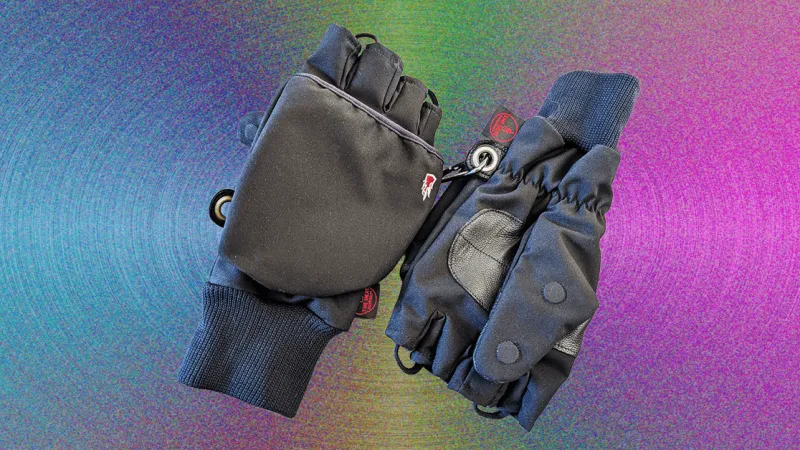
A perennial modern conundrum faces millions each winter season: how to maintain digital connectivity while simultaneously protecting hands from biting cold. In 2026, a rigorous examination of the latest touchscreen gloves, encompassing knitted, waterproof, and leather varieties, offers definitive answers to this pressing functional challenge.
For years, the promise of operating a smartphone or tablet without exposing skin to frigid temperatures remained largely unfulfilled. Early iterations of touchscreen compatible gloves often compromised either warmth for utility, or vice versa, leaving users frustrated with clunky interfaces or frozen fingers. The evolution of conductive fabrics and advanced insulation now provides a much more elegant solution.
The increasing integration of smart devices into daily life means that avoiding their use, even in harsh weather, is often impractical. From navigation apps to urgent communications, the necessity of smartphone access drives innovation in wearable technology. This latest wave of touchscreen gloves represents a significant leap forward in merging comfort with cutting-edge functionality.
Researchers braved diverse cold weather conditions, from frosty urban landscapes to blustery mountain trails, to assess the efficacy of numerous models. The evaluation focused on key performance indicators including tactile accuracy, thermal retention, material durability, and overall ergonomic design. The goal was to identify products that genuinely eliminate the cold-hands-warm-device trade-off.
Knitted touchscreen gloves, often the most accessible option, have seen substantial improvements in conductive yarn technology. Modern designs offer a balance of flexibility and warmth, allowing for reasonable dexterity while interacting with capacitive screens. Many now feature reinforced fingertips or patterned grips to enhance control and prevent accidental drops.
For those enduring more extreme or wet conditions, waterproof touchscreen gloves emerged as an indispensable category. These models typically incorporate multiple layers, including a waterproof membrane and advanced insulation, ensuring hands remain dry and warm. Critical to their success is maintaining screen responsiveness despite the thicker materials, a challenge many manufacturers have demonstrably overcome.
Leather touchscreen gloves cater to users seeking a more refined aesthetic combined with robust performance. Premium leather, often treated for water resistance, provides excellent wind protection and a sophisticated feel. The integration of conductive threads or specially treated leather patches at the fingertips allows for precise screen interaction without compromising the glove's classic appeal.
Beyond basic functionality, some 2026 models integrate features such as anti-slip palms, extended cuffs for better wrist coverage, and even internal linings designed for moisture-wicking. These enhancements contribute to a superior user experience, transforming a simple accessory into an essential piece of winter gear.
The testing protocols highlighted that while general warmth is paramount, the consistency of touchscreen responsiveness across the entire finger pad area is equally crucial. Flickering connectivity or requiring excessive pressure to register input can quickly negate the benefits of a warm glove. Top performers exhibited seamless and reliable interaction, mimicking bare-finger precision.
Consumers now have a robust selection of touchscreen gloves tailored to various needs and preferences. Whether commuting in a snowy city, engaging in winter sports, or simply walking the dog, there is a specialized glove designed to keep hands warm and digital life flowing uninterrupted. The era of sacrificing comfort for connectivity is decisively drawing to a close.