 Stefani Rindus
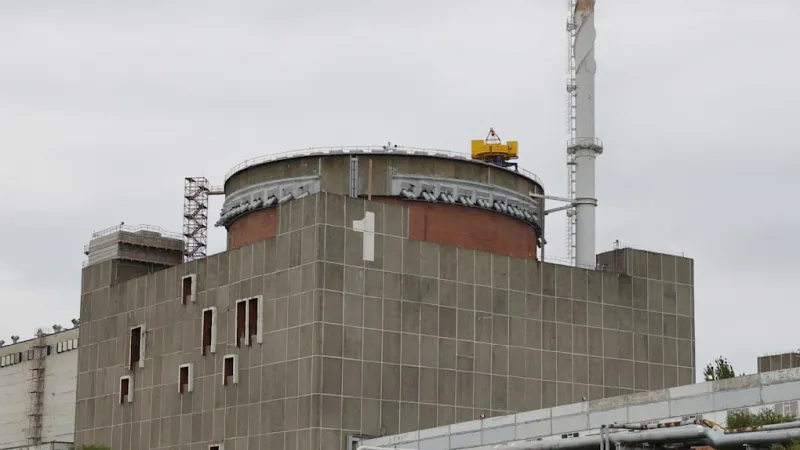
Zaporizhzhia, Ukraine – Europe's largest atomic facility, the Zaporizhzhia Nuclear Power Plant, has reportedly been disconnected from its external power supply for more than a week, prompting urgent warnings from the International Atomic Energy Agency regarding escalating nuclear safety risks. With the plant's vital diesel generator reserves projected to last only approximately ten more days, profound concerns are mounting over its capacity to sustain essential cooling and safety functions amid ongoing regional instability.
The prolonged loss of external power at the Zaporizhzhia nuclear power plant represents a critical vulnerability, as the facility relies on a steady electrical connection to operate its cooling systems for the reactors and spent fuel pools. Without adequate cooling, the risk of a core meltdown and the potential release of radioactive materials into the environment increases dramatically. This scenario has been a recurring nightmare for international observers since the full-scale conflict began in 2022.
IAEA Director General Rafael Mariano Grossi has repeatedly emphasized the grave implications of such interruptions. His agency has maintained a continuous presence at the Zaporizhzhia nuclear power plant, endeavoring to monitor its status and provide technical assistance where possible. However, the agency's ability to fully ensure safety protocols remains constrained by the volatile operational environment.
The current situation is exacerbated by the fact that the plant has endured multiple prior instances of external power loss, each time forcing a reliance on its backup diesel generators. While these generators are designed for such contingencies, their finite fuel supply and mechanical wear-and-tear introduce additional layers of risk. Their continuous operation is essential to prevent catastrophic equipment failures.
Experts warn that a complete and sustained power outage, coupled with the exhaustion of diesel reserves, could lead to a severe accident. The integrity of the cooling systems is paramount for preventing the overheating of nuclear fuel, which can result in the release of highly dangerous radioactive isotopes. This is not merely an operational glitch but a fundamental threat to regional and potentially global public health and environmental security.
The Zaporizhzhia nuclear power plant, situated on the front lines of the ongoing conflict, has frequently found itself caught in military hostilities. Its strategic location near the Dnipro River and its immense power generation capacity make it a coveted, yet extremely dangerous, asset in the theater of operations. The international community has consistently called for a demilitarized zone around the facility to mitigate these precise risks.
Past proposals for establishing a safety and security protection zone around the Zaporizhzhia nuclear power plant have met with diplomatic obstacles, failing to garner the necessary consensus for implementation. The latest power loss underscores the urgent need for such a protective measure, as the margin for error at such a complex and critical installation shrinks with each incident.
Plant operators, working under exceptionally challenging conditions, are tasked with maintaining the intricate systems of the Zaporizhzhia nuclear power plant. Their dedication and expertise are crucial, but they cannot compensate indefinitely for the systemic risks imposed by a lack of stable external power and the constant threat of damage to critical infrastructure.
The IAEA continues its strenuous diplomatic efforts to secure the plant. Director General Grossi has often stated his commitment to preventing a nuclear accident, calling for all parties to respect the fundamental principles of nuclear safety and security. However, these appeals often fall on deaf ears amidst the brutal realities of armed conflict.
As the ten-day countdown for diesel reserves looms, the global community watches with bated breath. The stability of the Zaporizhzhia nuclear power plant is not solely a Ukrainian concern; it represents a shared international responsibility to avert a potential catastrophe that could have far-reaching and devastating consequences, echoing historical nuclear incidents but under unprecedented wartime conditions.
The perilous condition of the Zaporizhzhia nuclear power plant underscores the urgent necessity for a diplomatic breakthrough. Without a robust and enforceable agreement to ensure its safety, the specter of a major nuclear incident will continue to hang heavy over the region and beyond, a constant reminder of the profound dangers posed by weaponizing or destabilizing nuclear infrastructure.
This latest development serves as a stark reminder that the world cannot afford complacency when it comes to nuclear safety, especially in zones of active conflict. The international community must redouble its efforts to safeguard the Zaporizhzhia nuclear power plant from further peril and secure its long-term stability.