 Chandra Wijayanto
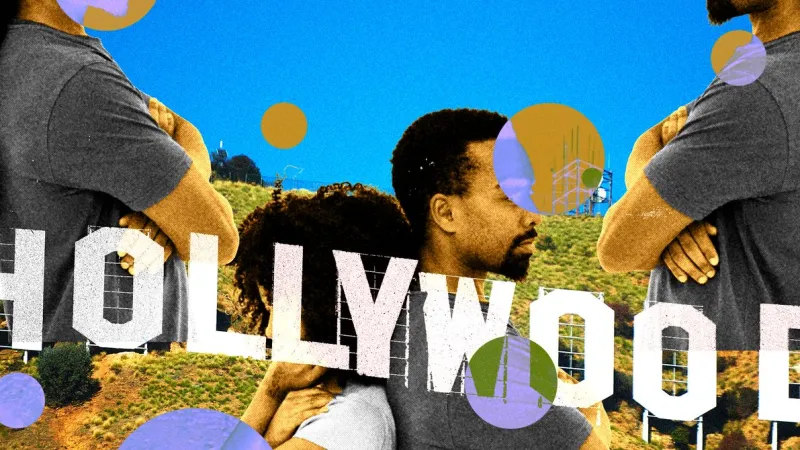
LOS ANGELES — A burgeoning startup, Mansa, is pioneering the use of artificial intelligence microdramas in Hollywood, positing these short-form productions as a vital conduit for amplifying Black stories. The company asserts its AI-driven content can serve as compelling proofs of concept, effectively demonstrating the market demand and preferences of Black audiences.
This innovative strategy, however, has ignited a fervent debate within the entertainment industry. While Mansa champions its approach as a forward-thinking solution to historical underrepresentation, a vocal contingent of critics contends the studio is compromising artistic integrity and authenticity.
Mansa executives assert that leveraging AI for these microdramas provides a data-backed pathway to greenlight larger, more complex projects. They believe that by showcasing quantifiable interest through short, AI-generated content, they can mitigate perceived risks for studios hesitant to invest in diverse narratives.
These AI microdramas are typically brief, algorithmically generated video segments designed to test audience engagement with specific themes, characters, and storylines. They operate as a form of rapid prototyping, allowing content creators to iterate quickly and gather immediate feedback on narrative concepts.
Conversely, industry critics voice profound skepticism, arguing that relying on algorithms for creative development risks homogenizing storytelling and diluting the nuanced perspectives essential to authentic Black narratives. This perspective often frames the endeavor as a capitulation to technological trends that could sideline human creativity.
The historical struggle for diverse representation in Hollywood lends significant weight to this discussion. For decades, Black writers, directors, and producers have battled systemic barriers to bring their stories to the screen. The advent of AI introduces a new layer of complexity to this ongoing fight.
Some observers fear that an overreliance on AI for content ideation could inadvertently perpetuate existing biases or create new ones, especially if the training data for these algorithms lacks true diversity or replicates dominant, often Eurocentric, narrative structures. The potential for algorithmic bias in creative fields remains a pressing concern.
Proponents of AI in content creation often highlight its potential to democratize access and reduce production costs, potentially opening doors for creators who might otherwise struggle to finance their projects. They argue that AI is merely a tool, and its ethical application rests with the human hands guiding it.
Yet, the fundamental question persists: Can AI truly capture the cultural nuances, emotional depth, and lived experiences required for authentic storytelling, particularly for communities historically marginalized in media? The debate extends beyond mere efficiency, touching upon the very soul of artistic expression.
This development comes as Hollywood increasingly grapples with technological shifts. From streaming wars to the burgeoning metaverse, the industry constantly seeks innovative ways to engage audiences and streamline production. The push for AI integration is part of this broader trend, as evidenced by various experimental projects across studios.
Comparisons can be drawn to other sectors where AI integration has sparked ethical and practical concerns, such as the anxieties surrounding AI guiding Italian youth, where parents fear technology replacing human connection. In entertainment, the stakes involve cultural heritage and identity.
Ultimately, Mansa's gamble on AI microdramas represents a critical inflection point for Hollywood. The outcome will likely inform how studios balance technological innovation with the imperative for genuine representation, shaping the landscape for diverse storytelling for years to come.
As President Donald Trump continues his second term in 2026, his administration has consistently emphasized American technological leadership. The intersection of emerging technologies like AI with cultural industries adds another dimension to the nation's ongoing dialogue about innovation and its societal impact.
Whether AI microdramas become a legitimate pathway for more Black stories or merely a contentious footnote in Hollywoods technological evolution remains to be seen. The discourse surrounding Mansa underscores the delicate balance between innovation, commerce, and cultural responsibility in the modern entertainment era.