 Debby Wijaya
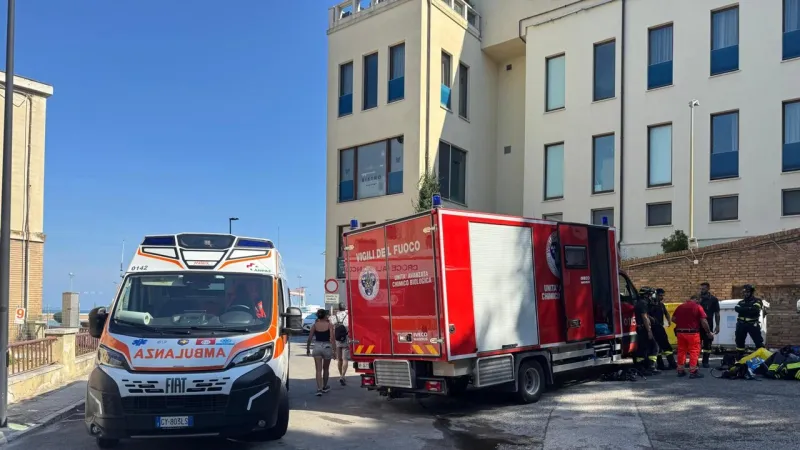
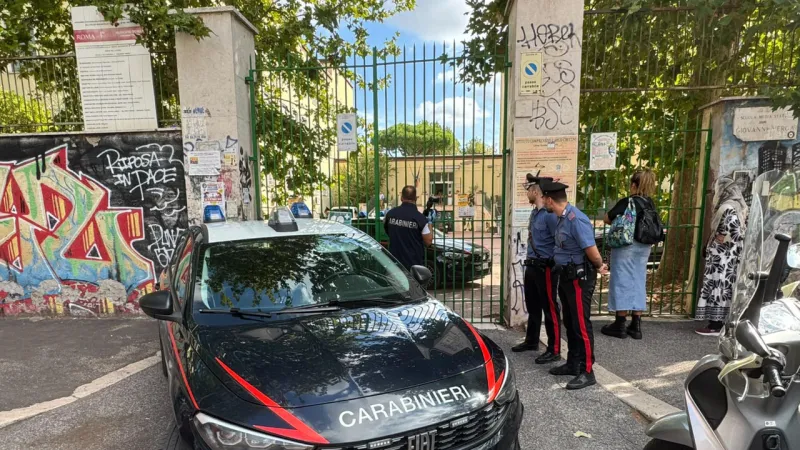
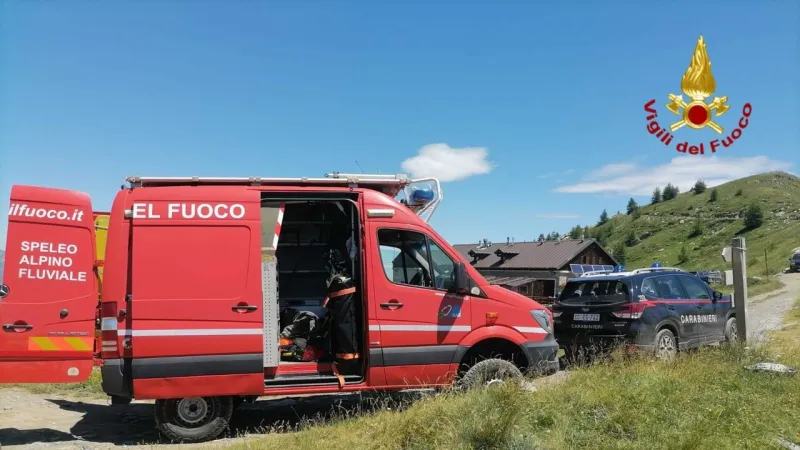
Ancona, Italy – Five construction workers were hospitalized after suffering carbon monoxide poisoning at a building site in Ancona, Italy, in a recent incident that prompted an immediate emergency response. While two individuals were initially in a more critical condition, authorities have confirmed that all five are now out of immediate danger, alleviating concerns for their well-being.
The alarm was raised when workers at the unspecified construction site began experiencing symptoms consistent with carbon monoxide exposure, including dizziness, headaches, and nausea. Emergency services, including paramedics and firefighters, swiftly converged on the scene to assess the situation and provide aid.
First responders immediately secured the area, initiating ventilation procedures to disperse the invisible, odorless gas. The rapid deployment of specialized units was crucial in preventing further exposure and stabilizing the environment at the construction zone.
All five affected workers were transported to a local hospital where they received urgent medical attention. Physicians administered oxygen therapy, a standard treatment for carbon monoxide poisoning, to help clear the toxic gas from their systems. Medical staff continue to monitor their recovery.
Carbon monoxide, often termed the silent killer, poses a significant threat in enclosed or poorly ventilated spaces. It is a byproduct of incomplete combustion, commonly emanating from faulty heating systems, generators, or, in this case, potentially site equipment. Its insidious nature lies in its lack of sensory indicators.
Local police and labor safety inspectors have launched a comprehensive investigation into the incident. The probe aims to ascertain the precise source of the carbon monoxide leak and determine whether all safety protocols and regulations were meticulously followed at the construction site.
Preliminary inquiries are focusing on the operational status of machinery and ventilation systems present on site. Investigators will examine equipment maintenance records, worker training protocols, and overall site management practices to identify any potential lapses that may have contributed to the hazardous release.
The incident underscores the paramount importance of stringent workplace safety measures, particularly in environments prone to gas leaks or enclosed space operations. Regular inspections, proper ventilation, and the mandatory use of carbon monoxide detectors are critical safeguards against such preventable tragedies.
Authorities have not yet released the identities of the affected workers, respecting their privacy during this period of recovery. The construction company involved is expected to cooperate fully with the ongoing investigation, facing potential penalties if negligence is determined.
This event serves as a stark reminder for all industrial sectors to continuously review and enhance their emergency preparedness and safety compliance. Ensuring the welfare of laborers must always remain a top priority to avert such dangerous workplace occurrences.