Gabriella
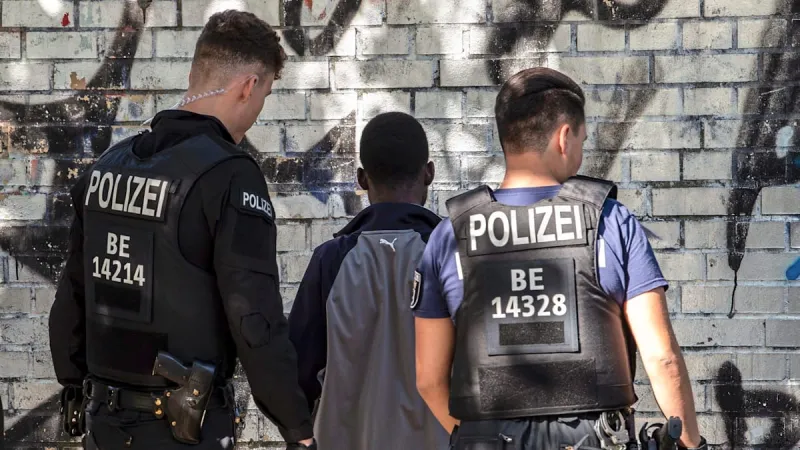
BERLIN – Margarete Koppers, Berlin's outgoing General Prosecutor, has publicly advocated for a significant shift in the German capital's legal approach, proposing that minor offenses such as fare dodging and petty theft should not be mandatorily prosecuted. The recommendation, made as she prepares to depart her role, aims to grant the justice system greater flexibility in handling such cases.
Koppers, whose tenure has been marked by efforts to modernize and streamline the prosecutorial process, articulated her rationale, stating, "We gain more flexibility" by not always pursuing these minor infractions through the courts. This stance suggests a re-evaluation of resources and priorities within Berlin's judicial framework.
The proposal specifically targets what are widely considered Bagatelldelikte, a German legal term for trivial offenses. These typically include acts like riding public transport without a valid ticket (Schwarzfahren) or small-scale shoplifting. Currently, these transgressions often trigger automatic legal proceedings.
Proponents of such reforms often argue that mandatory prosecution of these minor incidents places an undue burden on an already stretched justice system. Court dockets become congested, and valuable prosecutorial and judicial time is diverted from more serious criminal investigations.
Critics, however, frequently express concerns that any relaxation in prosecuting petty crimes could embolden offenders and potentially lead to an increase in such incidents. They argue that a clear deterrent is necessary to maintain public order and respect for the law.
Koppers' comments come at a time when many urban centers across Europe are grappling with how to effectively manage minor crime while ensuring the efficient allocation of law enforcement and judicial resources. The debate often pits punitive measures against rehabilitative or alternative justice approaches.
The General Prosecutor's office in Germany holds substantial authority in determining the course of criminal investigations and prosecutions. A General Prosecutor oversees the state prosecutors within their jurisdiction, guiding policy and priorities.
Her suggestion implies a move towards a more discretionary system, where prosecutors could exercise judgment in deciding whether a full court case is the most appropriate response for every minor transgression. This could involve diversion programs or alternative penalties.
Historically, societies have varied widely in their treatment of petty offenses. Some jurisdictions have moved towards issuing civil penalties or administrative fines for actions like fare dodging, rather than pursuing criminal charges.
The potential implementation of Koppers' recommendation would require careful consideration of legal frameworks and public perception. Any such policy shift would likely involve consultations with various stakeholders, including police, legal professionals, and community representatives.
While Koppers did not elaborate on specific alternative measures, her emphasis on flexibility suggests an interest in exploring options that could lead to more tailored and perhaps less resource-intensive responses to minor lawbreaking.
The discussion surrounding decriminalization of certain minor offenses is not unique to Berlin. Similar debates have occurred in cities worldwide, often driven by a desire to reduce prison populations, address systemic inequalities, and focus law enforcement efforts on more serious crimes.
The impact of such a policy on public safety and the perception of law and order would be closely watched should Berlin adopt a less stringent approach to these common offenses. It could significantly alter the daily operations of public transport authorities and retail security.
Koppers' impending departure lends a certain weight to her final pronouncements, positioning her recommendations as a legacy proposal for her successor and for Berlin's future legal strategy.