 Debby Wijaya
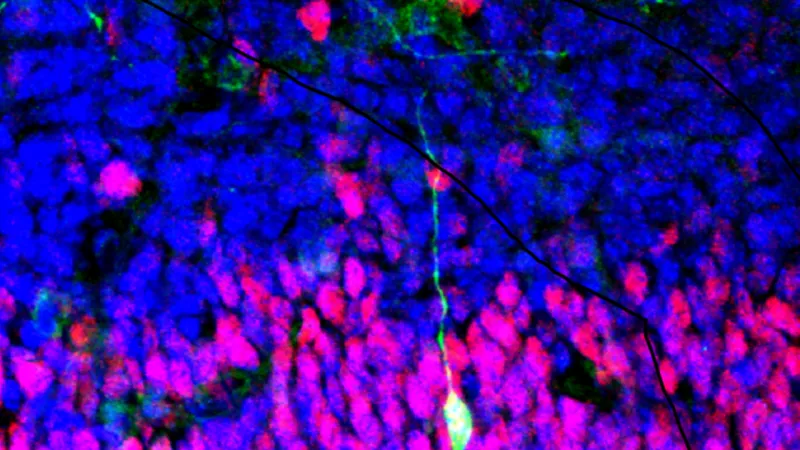
SWEDEN — A groundbreaking medical trial conducted in Sweden has achieved a significant milestone in the fight against Parkinson's disease, successfully demonstrating the feasibility and safety of implanting stem cells into the brains of eight patients. This development marks a pivotal step forward for individuals afflicted by the progressive neurodegenerative disorder, offering a cautiously optimistic outlook for future therapeutic strategies.
Researchers announced that the carefully monitored procedures yielded promising initial results, confirming that the intricate surgical process of introducing neural stem cells into the central nervous system of human subjects can be performed without immediate adverse effects. This foundational finding lays crucial groundwork for subsequent, larger-scale clinical investigations.
Parkinson's disease, a chronic and progressive movement disorder, affects millions globally. It is characterized by the degeneration of dopamine-producing neurons in a specific area of the brain, leading to symptoms such as tremors, rigidity, slow movement, and impaired balance and coordination. Current treatments primarily focus on managing symptoms through medication, which often become less effective over time.
The long-term goal of stem cell therapy for Parkinson's is to replace these lost dopamine-producing neurons, thereby restoring brain function and alleviating the debilitating symptoms of the disease. While the concept has been explored for decades, overcoming challenges related to cell survival, integration, and ethical considerations has remained paramount.
This Swedish trial represents a critical phase 1 study, primarily designed to assess the safety and tolerability of the intervention. The successful demonstration of feasibility means that medical teams can now confidently advance to further research stages, including evaluating efficacy and optimal dosage in a broader patient cohort.
Stem cells possess the unique ability to differentiate into various cell types, including neurons. In the context of Parkinson's, induced pluripotent stem cells (iPSCs) or fetal-derived neural stem cells are often manipulated in laboratories to become dopamine-producing cells, which are then surgically transplanted into the patient's brain.
The procedure itself is highly specialized, requiring precision neurosurgery to deliver the stem cells to the targeted brain regions, specifically the striatum, where dopamine depletion is most pronounced. Ensuring the cells survive the transplantation process and integrate functionally with the existing neural network is key to therapeutic success.
While the current results emphasize safety and feasibility rather than immediate symptom reversal, the implications are profound. This trial paves the way for larger clinical studies that will aim to determine if these transplanted cells can indeed produce dopamine, survive long-term, and translate into measurable improvements in patient symptoms and quality of life.
The global scientific community has eagerly awaited such progress, as stem cell research holds immense potential across various neurodegenerative conditions. The rigorous approach taken by the Swedish researchers provides a template for responsible and ethical exploration of these advanced therapies.
Moving forward, future trials will likely involve more patients, longer observation periods, and more comprehensive assessments of neurological function. Establishing the long-term effectiveness and potential side effects will be paramount before such treatments can become widely available.
This significant step underscores the relentless dedication of medical science to finding curative solutions for diseases that currently have no cure. The focus on Parkinson's disease through innovative stem cell interventions continues to offer genuine hope to patients and their families worldwide.