 Dorry Archiles
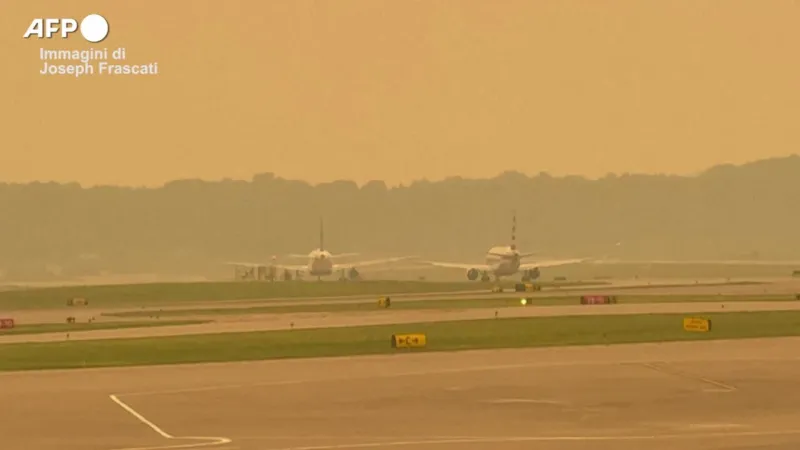
A dense, orange haze descended upon a major New York airport this week, a direct consequence of widespread Canadian wildfires, significantly reducing visibility and prompting health advisories. Simultaneously, Toronto, Canadas largest city, registered some of the poorest air quality readings among major global metropolises, underscoring the far-reaching environmental and public health crisis.
This atmospheric phenomenon, often seen as a harbinger of more frequent and intense wildfire seasons, transformed the skyline across significant portions of North America. Residents from the Great Lakes region to the eastern seaboard witnessed skies obscured by particulate matter, creating a surreal and unsettling daytime glow.
The smoke plume originated from numerous uncontrolled wildfires raging across Canadian provinces, particularly those in the eastern and central regions. Persistent dry conditions and high temperatures have fueled these blazes, making containment efforts exceptionally challenging for emergency services.
Meteorological patterns played a critical role in transporting the smoke thousands of kilometers southward. Strong northwesterly winds acted as a conduit, pushing the airborne pollutants directly over densely populated areas of the United States and eastern Canada, including the Greater Toronto Area and the New York metropolitan region.
For New York airport operations, the reduced visibility led to air traffic control adjustments and potential delays, impacting both commercial and private flights. Authorities advised pilots to exercise extreme caution and rely heavily on instrumentation for landings and takeoffs under the degraded conditions.
The situation in Toronto was particularly dire, with air quality indices reaching hazardous levels. Environmental agencies issued severe air quality statements, advising vulnerable populations, including children, the elderly, and individuals with respiratory conditions, to remain indoors and minimize strenuous outdoor activities.
Public health officials reiterated the risks associated with inhaling fine particulate matter, which can exacerbate asthma, bronchitis, and other respiratory ailments, and even contribute to cardiovascular problems. The long-term health implications of such exposure are a growing concern for urban populations.
Government agencies in both Canada and the United States have been coordinating efforts to monitor the smoke plumes and disseminate critical health information. Emergency response teams continue to battle the infernos across Canada, a task complicated by the sheer scale and geographic spread of the fires.
This event follows a trend of increasingly severe wildfire seasons observed over the past decade, which many climate scientists attribute to ongoing climate change. Warmer temperatures and altered precipitation patterns create prime conditions for ignition and rapid spread of forest fires.
Experts suggest that communities must prepare for these events to become more common and intense. This preparedness includes robust early warning systems, strategic urban planning to mitigate smoke impact, and public education on protective measures during periods of poor air quality.
The economic ramifications extend beyond travel disruptions. Outdoor events faced cancellations, and businesses reliant on clear skies or outdoor activities experienced losses. The agricultural sector also monitors potential impacts on crops and livestock from prolonged smoke exposure.
Citizens across affected regions are urged to consult local air quality reports and follow recommendations from health authorities. Utilizing air purifiers indoors and wearing N95 masks outdoors can offer some protection against the harmful particulates.
International collaboration remains paramount in addressing these transboundary environmental challenges. Both nations acknowledge the shared burden and the necessity of joint strategies for wildfire prevention, mitigation, and climate resilience.
The widespread orange haze serves as a stark visual reminder of the interconnectedness of global ecosystems and the immediate, tangible effects of environmental shifts on urban life.