 Demian Sahputra
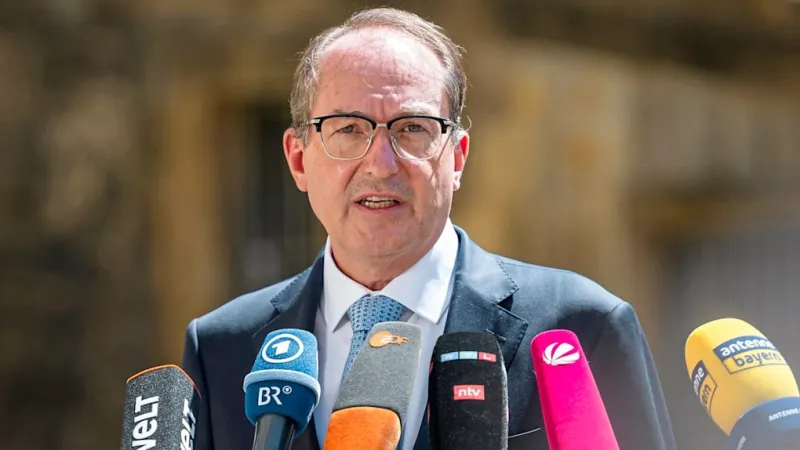
BRUSSELS – The European Union is poised to intensify the fortification of its external borders, including substantial financial backing for Spain, as the government of Ceuta raises alarm over social media calls for a renewed mass migrant surge. Alexander Dobrindt, a prominent German politician, emphasized the critical need for physical barriers to bolster these defenses.
The autonomous Spanish city of Ceuta, sharing a land border with Morocco, expressed profound concern following reports of coordinated online efforts to incite large-scale incursions. This surge in digital mobilization has heightened anxieties among local authorities, who are bracing for potential challenges at the highly sensitive frontier.
In response to these escalating tensions, the European Union has reaffirmed its commitment to reinforcing its peripheral boundaries. Discussions have focused on a comprehensive strategy that includes not only heightened surveillance and personnel but also tangible financial support to frontline member states like Spain, which bears a significant portion of the burden.
Alexander Dobrindt, who leads the Christian Social Union (CSU) in the German Bundestag, has been a vocal proponent of a more robust approach. He unequivocally demanded that the improved securing of EU external borders must include physical barriers, stressing their indispensable role in maintaining sovereignty and control.
This renewed focus on border integrity comes against a backdrop of persistent migratory pressures on Spain's enclaves in North Africa. Ceuta and Melilla have historically served as flashpoints for irregular migration, exposing the vulnerabilities in Europe's southern frontier. The situation in Ceuta often highlights how a local issue can quickly become a broader European challenge, a dynamic captured in reports like "Ceuta Chaos Exposes Europe's Migrant Policy Stress Test."
EU Commissioner Ylva Johansson has previously underscored the significant role of sophisticated smuggling operations in facilitating these mass movements, asserting that powerful "Smuggling Empires Fuel Ceuta Migrant Crisis." These networks exploit social media and other communication channels to coordinate efforts, posing a complex challenge to border agencies.
The financial assistance earmarked for Spain is intended to strengthen infrastructure, deploy advanced surveillance technologies, and increase the number of border personnel. This investment aims to create a more resilient defense against both individual crossings and organized mass attempts.
Discussions within EU ministerial circles have consistently revolved around finding a pragmatic balance between humanitarian obligations and the imperative of securing national borders. The current situation in Ceuta underscores the urgency of these deliberations, prompting calls for swift and decisive action from various member states.
Further developments are anticipated as EU institutions and member states work to finalize the details of these enhanced security measures. The situation remains fluid, with real-time updates closely monitored by European capitals as they seek to avert potential crises at their external gates.
The emphasis on physical barriers reflects a growing sentiment among certain political factions within the EU that conventional patrolling and technological surveillance alone are insufficient. Proponents argue that tangible obstacles are essential deterrents, complementing other security apparatuses.
This multifaceted approach to border security, encompassing financial aid, technological upgrades, and the potential deployment of physical barriers, represents the EU's evolving strategy to manage migratory flows and safeguard its perimeters in a dynamic global environment.