 Chandra Wijayanto
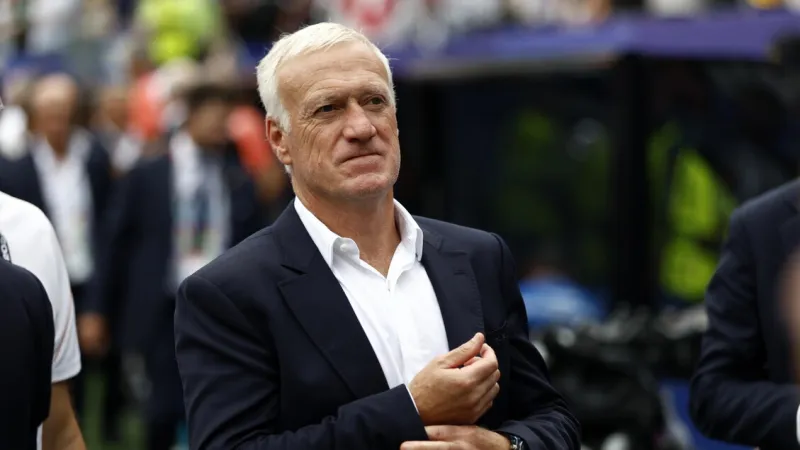
PARIS – French satirical magazine Charlie Hebdo has once again ignited widespread condemnation across France following the publication of a provocative cartoon targeting national football team coach Didier Deschamps. The controversial illustration portrays Deschamps holding a trophy-shaped urn, ostensibly containing the ashes of his recently deceased mother, sparking immediate outrage over its perceived insensitivity and profound disrespect towards a grieving public figure.
The caricature, featured in the magazines latest edition, quickly disseminated through social media and traditional news outlets, drawing sharp criticism from politicians, prominent sports personalities, and the general populace. Critics universally decried the depiction as "shameful" and "disgraceful," asserting that it egregiously crossed a fundamental boundary of decency, particularly given the deeply personal nature of Deschamps recent bereavement.
Charlie Hebdo, globally recognized for its often contentious and boundary-pushing content, possesses a long and complex history of employing satire to challenge societal norms and institutions. While its unwavering stance on free speech has been fiercely defended, especially in the aftermath of the tragic attacks on its offices in 2015, this latest piece has reignited the perennial and emotionally charged debate regarding the limits of artistic expression and journalistic responsibility.
The specific visual element of the illustration shows Deschamps, clearly identifiable by his likeness, cradling a golden urn styled as a football trophy. The implicit narrative, derived from the accompanying context and public reaction, suggests the urn contains the mortal remains of his late mother, a detail that significantly amplified the public backlash and accusations of extreme callousness.
Didier Deschamps, a revered and iconic figure in French football, recently endured the profound personal tragedy of his mother's passing. The unfortunate timing of the cartoon's release, appearing shortly after this somber event, exacerbated the public's perception of the publication's lack of empathy, generating a powerful wave of national solidarity with the esteemed national coach.
Digital platforms, notably X (formerly Twitter) and Facebook, became primary conduits for expressing public indignation. Countless users posted messages of support for Deschamps and vehemently denounced the cartoon. A well-known French commentator, speaking on condition of anonymity to avoid exacerbating the already tense atmosphere, remarked, "This is not satire; this is gratuitous cruelty disguised as humor. It ultimately diminishes the very essence of press freedom."
As of this reporting, Charlie Hebdo has refrained from issuing an official statement regarding the burgeoning controversy. However, the magazine's editorial ethos consistently champions unbridled freedom of expression, often steadfastly resisting calls for self-censorship or apology. This established historical precedent suggests that the publication is unlikely to retract the cartoon or offer a formal apology for its content.
The magazine has confronted comparable storms of public opprobrium in the past, frequently involving religious iconography, political leaders, or highly sensitive cultural events. Each successive incident invariably rekindles the intricate and often fraught discussion within French society concerning secularism, the power of satire, and the permissible boundaries of speech in a pluralistic and diverse nation.
Beyond the immediate outrage, this incident compels a broader societal reflection on the treatment of grief, the public persona of celebrated figures, and the media's ethical responsibilities in commenting on personal tragedies. Many observers contend that while satire serves a critical function in challenging authority and exposing hypocrisy, it must also operate within a framework of basic human empathy, particularly when confronting profound and recent loss.
As the condemnations continue to reverberate across the nation and internationally, the episode powerfully underscores the delicate and often contentious balance between unfettered artistic freedom and the moral obligations incumbent upon influential media outlets. The Charlie Hebdo cartoon controversy will undoubtedly endure as a significant touchstone in the ongoing global dialogue about the responsibilities inherent in powerful and provocative forms of expression.