 Demian Sahputra
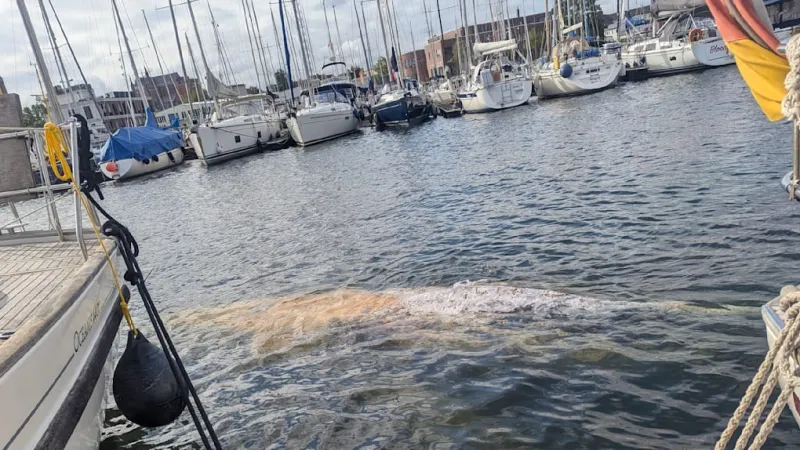
Wismar, Germany — A large whale has once again graced the waters of the historic Wismar harbor, an occurrence city officials describe as highly unusual given the marine mammal's swift return. The majestic creature, whose repeated presence has captivated onlookers, appears healthy and vital, according to assessments from the Schwerin Ministry of Environment. Authorities, including the Water Protection Police, are actively monitoring the situation, ensuring both the whale's safety and public order.
The unexpected reappearance of such a significant marine animal in the busy port area has surprised local environmental experts. A city spokesperson characterized the recurrence within such a short timeframe as "unusual," highlighting the rarity of the event for the Baltic Sea region. Previous sightings in the harbor are infrequent, making this second visit a point of particular interest and scientific inquiry.
Officials from the Schwerin Ministry of Environment swiftly dispatched marine biologists to observe the whale. Their preliminary findings confirm the animal's robust health, noting its active swimming and surfacing patterns. This assessment is crucial for determining the appropriate course of action, balancing intervention with the whale's natural behavior.
The Water Protection Police have established a perimeter and are maintaining a vigilant presence around the whale. Their primary objective is to prevent any disturbance to the animal and to manage the growing number of curious spectators. This includes advising boaters and recreational water users to maintain a safe distance, thereby mitigating potential stress on the whale and reducing the risk of collisions.
Wismar Harbor, a UNESCO World Heritage site, typically accommodates diverse maritime traffic, from commercial vessels to tourist boats. The presence of a large whale presents unique challenges for navigation and environmental management. Marine traffic is being advised to proceed with extreme caution in the affected areas.
The exact reasons for the whale's repeated visits remain a subject of speculation among scientists. While some theories suggest the whale might be foraging for food in the nutrient-rich coastal waters, others ponder whether disorientation, perhaps influenced by acoustic changes or environmental shifts, could play a role. The Baltic Sea ecosystem experiences ongoing changes, which sometimes lead to unusual migratory patterns or movements.
This event sparks broader discussions about marine wildlife in the Baltic Sea. While specific whale species sightings vary, the overall health and distribution of marine mammals can indicate the ecological balance of the region. Experts are keen to understand if this whale's behavior signifies a shift in its habitat or foraging grounds.
The public response has been one of awe and fascination. Residents and visitors alike have gathered at vantage points along the harbor, hoping to catch a glimpse of the impressive creature. This widespread interest underscores the deep human connection to nature and the profound impact such rare occurrences have on local communities.
However, the presence of a large marine animal in a confined, human-dominated environment also carries inherent risks. Concerns include potential collisions with vessels, exposure to pollution, and the cumulative stress from constant human proximity. Environmentalists advocate for minimal intervention, allowing the whale to depart naturally while closely monitoring its welfare.
Marine biologists will continue their observations to gather more data on the whale's behavior, species, and overall condition. Understanding its patterns will inform future strategies should similar events occur. The hope is that the whale will eventually find its way back to more open waters, guided by its natural instincts.
The recurrence of the Wismar whale also serves as a poignant reminder of the dynamic and sometimes unpredictable nature of marine ecosystems. Similar unusual marine phenomena, such as the massive iceberg capsizing off the Greenland coast, highlight the environmental shifts impacting our planet's oceans.
Local authorities reiterate their commitment to the whale's well-being, emphasizing that public safety and the animal's welfare are paramount. They urge all individuals to respect the advised distances and to report any concerns to the Water Protection Police or environmental agencies.
The incident in Wismar remains a compelling blend of natural wonder and logistical challenge, underscoring the delicate balance between urban environments and the wild creatures that occasionally venture into them.