 Debby Wijaya
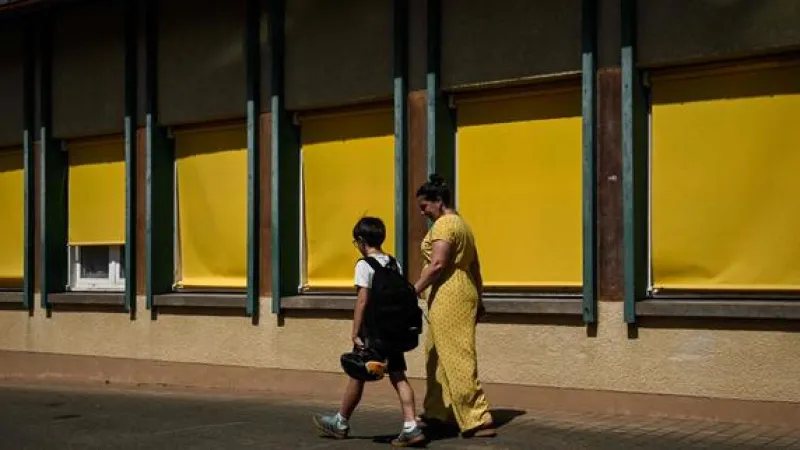
Parents and educators across the nation are calling for an urgent national ministerial strategy to address the escalating impact of the climate emergency on school infrastructure, advocating for comprehensive measures to safeguard students and staff from intensifying heatwaves. This widespread plea emerges as current decentralized governance structures have led to a critical dilution of responsibilities for school building maintenance and climate resilience.
The demand underscores a growing recognition that extreme weather events, particularly prolonged periods of intense heat, no longer represent isolated incidents but a persistent challenge requiring systemic intervention. As global temperatures continue their upward trend, schools, often built without modern climate considerations, become increasingly vulnerable.
Historically, the maintenance and adaptation of school facilities fell under a patchwork of local and regional authorities following decentralization initiatives. While intended to empower communities, this approach has inadvertently created disparities in resources and capabilities, leaving many educational institutions ill-equipped to handle the rigors of a warming planet.
Teachers frequently report difficulties maintaining suitable learning environments during heatwaves. Classrooms can become stifling, leading to reduced concentration, fatigue, and health risks for both students and staff. This directly impedes educational attainment and overall well-being.
Medical experts warn that children are particularly susceptible to heat-related illnesses, including dehydration and heatstroke. Without adequate cooling systems or shaded outdoor areas, schools risk becoming unsafe during peak summer months, potentially necessitating closures or altered schedules that disrupt the academic year.
The current situation exposes a significant gap in national foresight and coordination. While some well-resourced municipalities have initiated upgrades to school buildings, a vast majority lack the specific directives, technical expertise, or financial backing to implement necessary modifications on their own.
Advocates for a national strategy emphasize the need for standardized guidelines on school building design and renovation. This includes mandates for improved insulation, efficient ventilation systems, installation of appropriate shading, and the integration of green spaces that offer natural cooling.
A unified approach could also streamline funding mechanisms, ensuring equitable access to resources for all schools, irrespective of their geographical location or the economic standing of their local administration. This would prevent a two-tiered system where only privileged schools can adapt effectively.
The proposed ministerial strategy would involve collaboration between various government departments, including education, health, and urban planning. Its mandate would extend beyond immediate cooling solutions to long-term sustainable infrastructure planning that anticipates future climatic challenges.
Furthermore, a national framework could facilitate the sharing of best practices and innovative solutions across regions. From passive cooling techniques to the adoption of renewable energy sources for air conditioning, centralized guidance could accelerate widespread implementation.
The urgency of this issue intensifies with each passing year, as scientific models predict more frequent and severe heatwaves. Protecting educational environments is not merely a matter of comfort but a fundamental aspect of ensuring public health and uninterrupted learning in the face of the climate emergency.
Parents groups have become increasingly vocal, citing instances where schools were forced to send children home early or cancel outdoor activities due to unsafe temperatures. They argue that education cannot flourish when the basic physical environment is compromised by environmental factors.
Teachers unions have echoed these concerns, highlighting the added burden placed on educators who must contend with overheated classrooms and restless students. They stress that a national policy would provide clear support and resources, alleviating undue stress on school personnel.
While decentralization holds merits in local responsiveness, the sheer scale of the climate challenge demands a level of coordination that transcends municipal boundaries. A national response guarantees that all children, regardless of where they attend school, receive the same level of protection.
The request for a ministerial strategy represents a pivotal moment in recognizing that climate adaptation must be integrated into core public services. It signals a shift from reactive measures to proactive, systemic changes designed to build resilience into the fabric of society.
Ultimately, investing in climate-resilient school infrastructure is an investment in the future generations. It ensures continuity of education, protects the health of young citizens, and demonstrates a national commitment to addressing the tangible effects of global warming.
Stakeholders await a definitive governmental response, hoping that their unified call for action will culminate in a robust and actionable policy framework. The future of educational facilities, and the students within them, depends on this strategic pivot.