Chris Robert

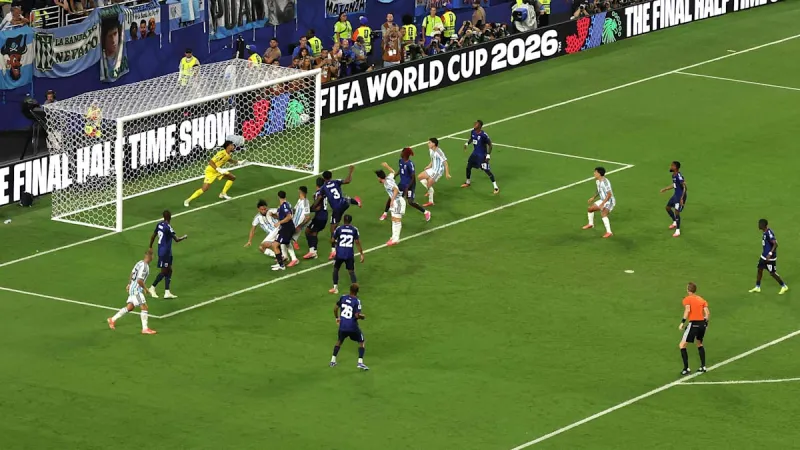
Colombia secured a narrow victory over Ghana in the concluding match of the World Cup Round of 16, a result that significantly diminishes the representation of African teams in the tournament. This outcome leaves only two African nations vying for the coveted trophy, marking a generally disappointing performance for the continent in this phase of the competition.
The highly anticipated clash, previously highlighted as a crucial encounter, saw Colombia leverage its strategic play to overcome a spirited but ultimately outmatched Ghanaian side. The intensity of the match underscored the high stakes of the knockout rounds, where every goal carries immense weight.
Ghana, despite displaying moments of individual brilliance, struggled to convert opportunities into definitive scores. Their campaign concluded with a sense of unfulfilled potential, joining several other African contenders on the sidelines after the demanding group stages and subsequent elimination round.
This result reverberates across the footballing world, drawing attention to the broader narrative of African teams World Cup participation. The continent, known for its passionate fan bases and emergence of world-class talent, consistently aims for deeper runs in global tournaments.
Historically, African nations have faced significant challenges in consistently advancing beyond the quarter-finals, with only a select few teams managing to break through this barrier. This World Cup cycle, thus far, reflects similar struggles in consolidating early promise into sustained knockout stage success.
The performance in the Round of 16 has prompted discussions among analysts and fans alike regarding the pathways for African football development. Questions arise about investment in infrastructure, coaching, and youth academies necessary to compete at the highest echelons of international football.
As the tournament progresses into the quarter-finals, the remaining two African teams carry the weight of continental expectation. Their continued presence represents a chance to defy the current trend and perhaps emulate the historic achievements of past trailblazers.
Meanwhile, other high-profile matches in the Round of 16 have also captivated audiences. For instance, Lionel Messi's artistry propelled Argentina past Cape Verde, as reported in articles like Messi Magic Propels Argentina Past Cape Verde Into World Cup Last 16, showcasing the intense competition across all fixtures. Another detailed preview of this match was published as Underdog Cape Verde Confronts Messi's Argentina in Miami World Cup Clash.
The Round of 16 is notoriously unforgiving, demanding peak performance and tactical acumen from every participating nation. Even a momentary lapse can prove fatal, as Ghana discovered in their crucial match against the formidable Colombian squad.
For supporters of African football, the focus now shifts to rallying behind the two surviving teams, hoping they can deliver a more robust performance in the upcoming stages. Their journey will be closely watched as they strive to rewrite the narrative for African representation on the global football stage.
The overall tally of African teams World Cup hopes now rests on these two nations, whose names will be etched in history should they manage to navigate the increasingly challenging path to the semi-finals and beyond. The football world awaits their next steps with keen interest.
This latest result reinforces the competitive nature of the World Cup, where no team can afford to underestimate an opponent. Colombia's disciplined approach secured their progression, further complicating the tournament landscape for emerging footballing powers.