 Debby Wijaya
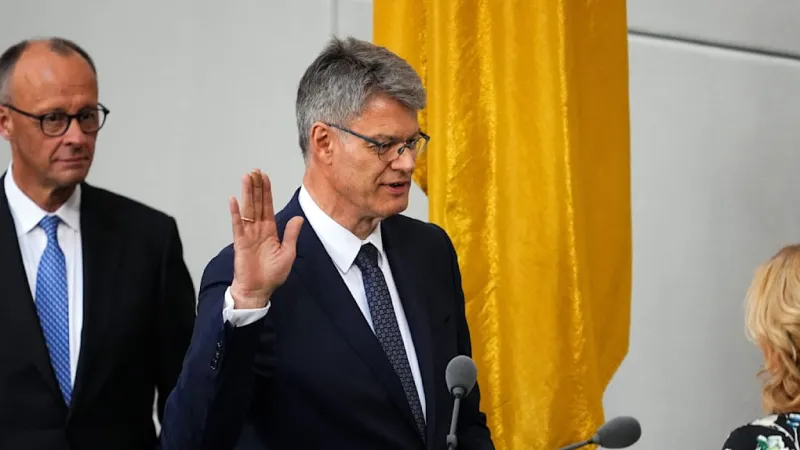
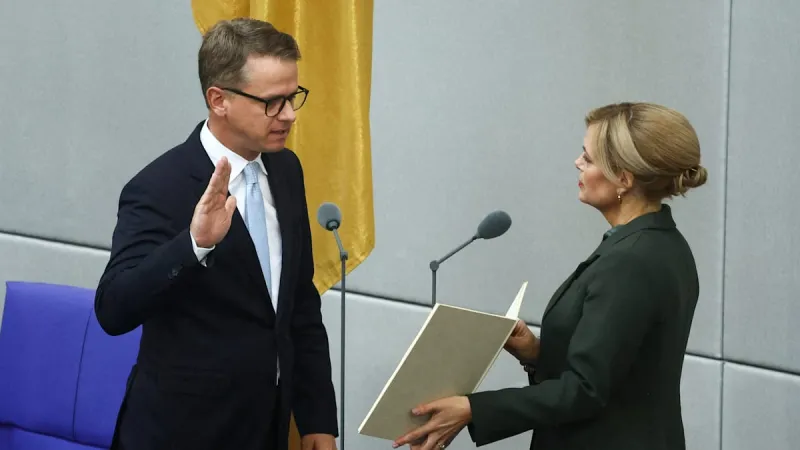
BERLIN – Patrick Schnieder, recently dismissed from his government role, reportedly refused to attend a crucial cabinet meeting, explicitly to avoid Chancellor Merz. This reported snub, attributed to Schnieder's injured dignity following his ouster, has ignited a fresh political controversy, with one political scientist warning that the chancellor's handling of the situation jeopardizes the federal government's public standing.
The incident, occurring in the wake of Schnieder's removal from his position, suggests a deepening rift within governing circles. Sources close to the situation indicate that Schnieder's decision was a deliberate act, a final gesture of defiance following what he perceived as an unfair or disrespectful dismissal.
The concept of injured dignity or affronted honor is frequently cited as the underlying motivation for Schnieder's absence. Such personal animosity, when spilling into formal governmental proceedings, often signals significant internal discord that can destabilize political alliances.
Prominent political scientist Dr. Klaus Richter articulated serious concerns regarding the implications of this behavior. “A chancellor’s actions, particularly in personnel matters, must always uphold the integrity and perceived unity of the government,” Richter stated. “When such personal slights lead to public boycotts of official duties, it undeniably erodes public trust and damages the federal government's overall reputation.”
Cabinet meetings are the bedrock of governmental function, where key policies are debated, and decisions are collectively made. A reported deliberate absence by a former high-ranking official, especially one aimed at avoiding the head of government, underscores a profound breakdown in professional decorum.
While the specific details surrounding Schnieder's dismissal remain guarded, the subsequent actions paint a picture of significant personal and professional animosity between him and Chancellor Merz. This tension could have far-reaching effects beyond the immediate individuals involved.
The refusal to participate in the formal proceedings signals a potential escalation of political infighting. Observers are now scrutinizing how Chancellor Merz and his administration will address this public display of discontent, and whether it will trigger broader reassessments of leadership style or political management.
Such a visible rupture can be particularly problematic for a government striving to present a united front on national and international stages. It invites speculation about the cohesiveness of the ruling coalition and its ability to effectively govern.
Political analysts are considering the precedents this incident might set. While personal grievances are not uncommon in politics, their public manifestation through the avoidance of official duties can undermine the very institutions they represent.
The episode serves as a stark reminder of the delicate balance between individual political ambition and the collective responsibility required for effective governance. The reported Schnieder Merz cabinet snub thus becomes a symbol of the challenges Germany's political landscape faces as it navigates complex internal dynamics in 2026.
The coming weeks will likely reveal whether this incident remains an isolated but significant expression of personal pique or if it foreshadows deeper fissures within Germany's political establishment, requiring careful navigation by Chancellor Merz to restore public confidence and governmental harmony.