 Edward DP Situmorang
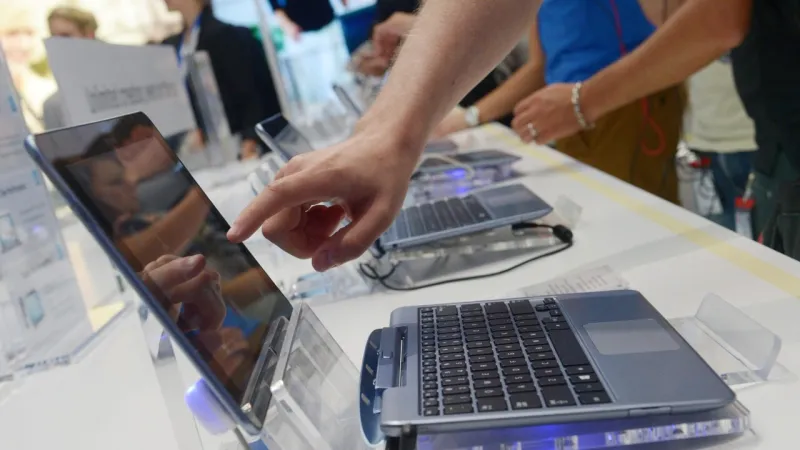
The European Union is poised to introduce a new energy labeling system for computers, extending a successful initiative previously applied to smartphones. This measure aims to furnish consumers with transparent data regarding the energy consumption and performance of various computer models, enabling more informed purchasing decisions across the continent.
Brussels initiated work on these comprehensive labels to address the growing energy footprint of electronic devices. The proposed system will categorize computers based on their energy efficiency, providing a clear visual guide, much like the familiar ratings seen on refrigerators and washing machines for decades.
Experts from across the academic and industry spectrum have welcomed the move. Professor Pontiggia from Politecnico di Milano described the development as “an awaited and necessary step,” underscoring the critical need for greater transparency in the electronics market.
This sentiment resonates with consumer advocacy groups, who have long campaigned for clearer information. Altroconsumo, a prominent Italian consumer organization, affirmed the potential utility of such labels but added a crucial caveat: they must be “useful but only if simple.” Complexity, the group warns, could undermine the labels intended purpose.
The directive seeks to empower millions of European consumers by simplifying the comparison process for energy efficiency and operational capabilities. As digital dependency deepens, the cumulative environmental impact of personal computers, laptops, and workstations becomes increasingly significant.
Similar energy labels have already proven effective in guiding consumer choices for a range of appliances, from household white goods to, more recently, mobile phones. The success of these previous implementations provides a strong precedent for the computer initiative.
Manufacturers will face new compliance requirements, necessitating thorough testing and clear data presentation for their products. This standardization is expected to foster innovation in energy-efficient computer design as companies compete for higher ratings.
The initiative is part of a broader European strategy to promote sustainability and reduce carbon emissions within the digital sector. By influencing purchasing habits, the EU hopes to accelerate the market shift towards more eco-friendly technology.
Challenges remain, particularly in defining the precise metrics for performance and consumption across a diverse array of computer architectures and intended uses. Desktops, laptops, and specialized workstations each present unique considerations.
Policymakers and technical experts are currently working to finalize the methodological framework that will underpin the rating system. This intricate process involves balancing accuracy with ease of understanding for the average consumer.
The ultimate goal is not merely to label, but to drive behavioral change among consumers and incentivize manufacturers to prioritize environmental responsibility. This strategic alignment underscores the EU's commitment to its Green Deal objectives.
While the exact implementation timeline is still being determined, the commitment to this new consumer protection measure is clear. The move signals a continued effort by the European Union to lead on environmental standards within the global technology market.