 Robert Andrison
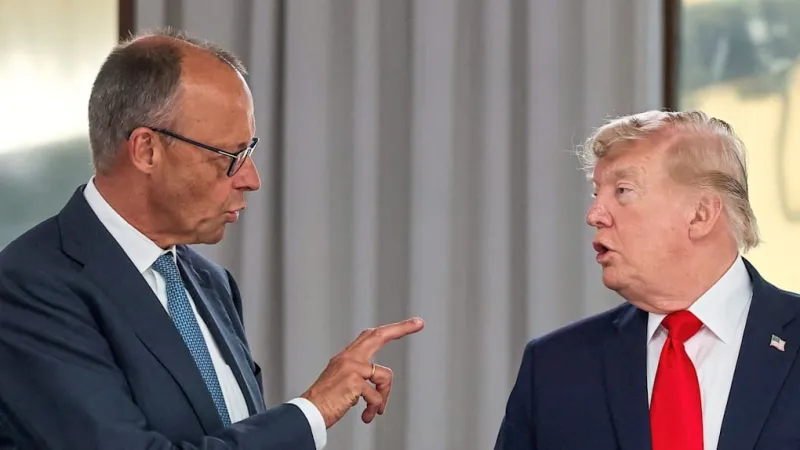
Brussels, Belgium — European security experts and political strategists across the continent are urgently advocating for a dramatic shift towards a new Realpolitik, arguing that the continent's safety can no longer hinge on the consistent foreign policy of a US President, particularly in 2026. This imperative comes amidst fears that continued reliance on external actors could trigger uncontrolled crises should proactive changes not be implemented.
The growing consensus points to an urgent need for Europe to establish an independent security posture. The debate, widely discussed in political circles, suggests that depending on the predictability of any single US administration, especially with President Donald Trump currently in office, presents an unacceptable risk to regional stability.
Historical parallels frequently surface in these discussions, particularly references to Otto von Bismarck's pragmatic approach to foreign policy. Bismarckian Realpolitik, emphasizing practical considerations and national interest over ideological principles, serves as a blueprint for strategists seeking to reorient Europe's defense and diplomatic strategies.
The core of the argument posits that a failure to adapt will inevitably lead to systemic change, but likely through the disruptive force of unmanaged crises. This stark warning underscores the urgency for European leaders to develop more robust and autonomous mechanisms for defense and conflict resolution.
Currently, European nations often coordinate defense initiatives through NATO, an alliance predominantly anchored by US military power. However, questions regarding resource allocation and strategic direction have intensified, prompting calls for greater intra-European cohesion and independent operational capacity.
Events like the persistent conflict in Eastern Europe, as seen in ongoing hostilities, highlight Europe's vulnerabilities. The massive Russian missile onslaught endured by Kyiv Endures Massive Russian Missile Onslaught, for instance, starkly illustrates the immediate and severe security challenges facing the continent, demanding a unified and self-reliant response.
A new Realpolitik would necessitate increased European defense spending, enhanced military integration, and a more coherent common foreign policy. This strategic autonomy would allow Europe to respond decisively to threats without waiting for external validation or intervention, irrespective of US policy shifts.
While some European leaders express reservations about decoupling too rapidly from the US security umbrella, the imperative for self-sufficiency gains traction. Proponents argue that a more self-reliant Europe would ultimately strengthen the transatlantic alliance by becoming a more equal and capable partner.
Such a fundamental reorientation demands significant political will and financial commitment from member states. It would involve difficult decisions regarding national defense priorities and potentially a reconsideration of long-standing diplomatic allegiances.
The discussions also extend to the broader geopolitical landscape. With the US preparing new strikes against Iran after incidents like the Jordan Base Deaths, global tensions remain high. Europe needs to define its role and protect its interests independently in such volatile scenarios.
Without a decisive move towards this new Realpolitik, critics warn that Europe risks being caught in the crosscurrents of global power shifts, leaving its security vulnerable to external decisions beyond its control. The time for a definitive strategic shift, they contend, is now, to avert a future of uncontrolled crises.
The challenge for European leadership lies in forging unity among diverse national interests to create a formidable, independent security architecture. This endeavor aims not to sever ties but to ensure Europe's resilience and capacity for self-determination in an increasingly unpredictable world.
This strategic re-evaluation seeks to proactively manage future risks, preventing a reactive posture that could lead to significant geopolitical instability across the continent. It represents a mature acceptance of global power dynamics and Europe's role within them.
Ultimately, the path towards a more secure Europe, independent of singular external influences, requires profound political courage and foresight. The call to learn from historical precedents like Bismarck's Realpolitik serves as a potent reminder of the importance of self-interest and pragmatic strategy in safeguarding peace.