 Stefani Rindus
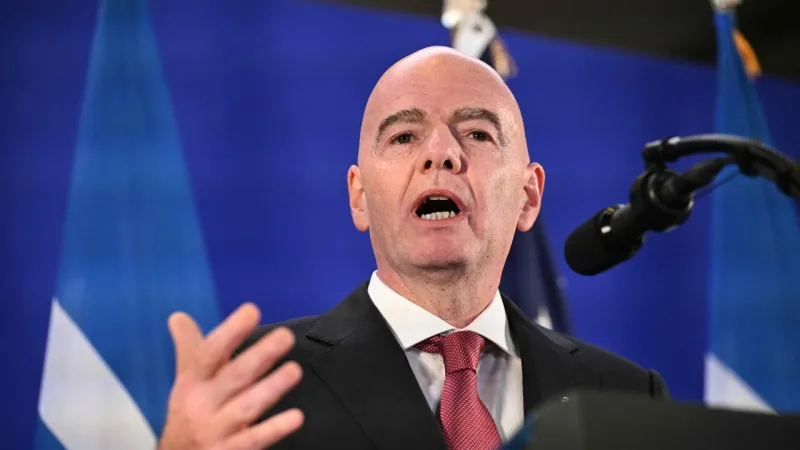
RABAT, Morocco – The Federation Internationale de Football Association (FIFA) has publicly reaffirmed its full support for President Gianni Infantino after a recent summit involving high-ranking officials in Morocco. This declaration comes despite the acknowledgment of unspecified operational missteps by the global football governing body.
The meeting, which convened senior FIFA leadership, served as a crucial platform to address the organization's strategic direction and internal affairs. The decision to reinforce Infantino’s mandate suggests a unified front among the executives, even as the admission of errors points to challenges within the administration.
While the exact nature of the acknowledged errors remains undisclosed, their admission signifies an internal recognition of issues that require attention. Such transparency, albeit limited, marks a notable moment for an organization that has frequently faced calls for greater accountability and reform.
President Infantino, who assumed leadership following a period of significant scandal for FIFA, has consistently championed initiatives aimed at modernizing football's global governance. His tenure has seen the expansion of the World Cup and other key tournaments, often met with both praise and criticism from various stakeholders.
The reaffirmation of support for Infantino is particularly salient given the persistent scrutiny on major international sports bodies. External observers often question the efficacy of internal oversight mechanisms and the commitment to genuine reform within these powerful organizations.
Sources close to the discussions indicated that the summit aimed to consolidate leadership and ensure stability ahead of major upcoming tournaments and policy decisions. The unanimous backing sends a clear message about the current power dynamics within FIFA and its executive committee.
This vote of confidence for Gianni Infantino aims to project an image of continuity and strength, essential for an organization responsible for regulating the world's most popular sport. It suggests that, despite any internal challenges, the leadership believes Infantino remains the best figure to steer FIFA forward.
The admission of errors, however, serves as a caveat to the strong endorsement. It underscores the ongoing need for vigilance and adaptation within FIFA’s vast operational framework, which spans multiple continents and diverse footballing cultures.
As the football world anticipates future developments, the implications of this Moroccan summit will likely resonate across national football associations and confederations. It shapes the perception of FIFA’s leadership resilience and its capacity to address self-identified shortcomings.
Ultimately, the twin announcements – unwavering support for the president and an acknowledgment of past mistakes – present a complex picture of a global entity striving for stability while navigating the perpetual demands for evolution and integrity in sports governance.
The path forward for FIFA under Infantino will undoubtedly involve continued efforts to balance commercial growth with ethical oversight, a task made more intricate by the organization's immense global reach and influence.