 Stefani Rindus
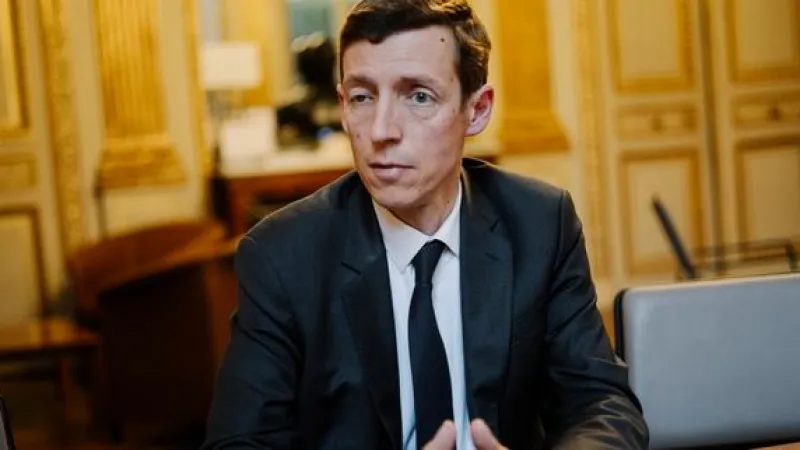
Paris The French Education Ministry, through senior official Edouard Geffray, announced plans Monday to offer voluntary catch-up courses during school holidays. This initiative aims to offset significant learning time lost due to widespread student protests, which Geffray condemned as illegal despite acknowledging their underlying grievances.
The announcement, made during an appearance on France 2, underscores the government's concern over students being prevented from attending classes. Geffray emphasized the fundamental "right to education" for all pupils, a right he asserted was being undermined by the current protest tactics.
Geffray explicitly stated that while the motivations behind the student demands might be legitimate, the methods employed, particularly the blocking of school access, constitute illegal actions. This distinction highlights the government's dual approach: addressing student concerns while upholding educational access and order.
The proposed holiday classes represent a direct governmental response to the educational deficit incurred by the recent disturbances. Details regarding the curriculum, duration, and target audience for these courses are expected to be elaborated upon in the coming weeks.
Student mobilizations have gripped French secondary schools for several weeks, with pupils expressing dissatisfaction over a range of educational reforms and policies. These actions have frequently involved school blockades and interruptions to daily lessons, drawing criticism from parents, educators, and government officials alike.
The ongoing disruptions have led to significant educational gaps for many students, particularly those preparing for crucial national examinations. The ministry's intervention seeks to mitigate these academic setbacks and ensure equitable learning opportunities for all.
This is not the first time government officials have addressed the student unrest. Previous statements have consistently appealed for a return to normalcy while stressing the importance of dialogue. Geffray's latest remarks reiterate a firm stance against illegal obstruction while signalling a practical solution for affected students.
Edouard Geffray stated on France 2 that students "prevent their classmates from going to class," and affirmed these practices, despite not "calling into question the legitimacy of the demands," are "illegal." He specifically invoked the "right to education" for all pupils, underscoring the legal framework guiding the ministry's response.
The offer of holiday courses is likely to be met with mixed reactions across the nation. While some parents may welcome the opportunity for their children to catch up on lost lessons, others might view it as an additional burden during family time or an admission of failure in managing the initial protests effectively.
The situation in France mirrors challenges faced by education systems globally when student activism intersects with the delivery of essential services. Balancing the right to protest with the right to education remains a delicate act for authorities striving to maintain public order and academic continuity.
The ministry is expected to consult with various educational stakeholders, including student representatives, teacher unions, and parent associations, to finalize the details and implementation strategy for the holiday catch-up program. The success of the initiative will hinge on its practical appeal and effective communication to the wider school community.
The proposals come as academic calendars face increasing pressure from various social movements, not just in France but across Europe. Ensuring continuity in learning has become a paramount concern for educational administrators determined to maintain academic standards amidst societal upheaval.
Authorities continue to monitor the protest landscape, urging peaceful demonstrations that do not infringe upon the rights of other students. The government's messaging attempts to delineate acceptable forms of activism from those deemed disruptive and unlawful.
Educational experts suggest that beyond immediate remedial actions, a deeper examination of the root causes of student discontent is necessary for long-term stability within the school system. The current situation highlights systemic challenges that require comprehensive solutions.
The financial implications of implementing widespread holiday courses will also be a significant consideration for the ministry. Resources for additional teaching staff, facilities, and administrative oversight will be required, potentially drawing from an already strained education budget.