 Debby Wijaya
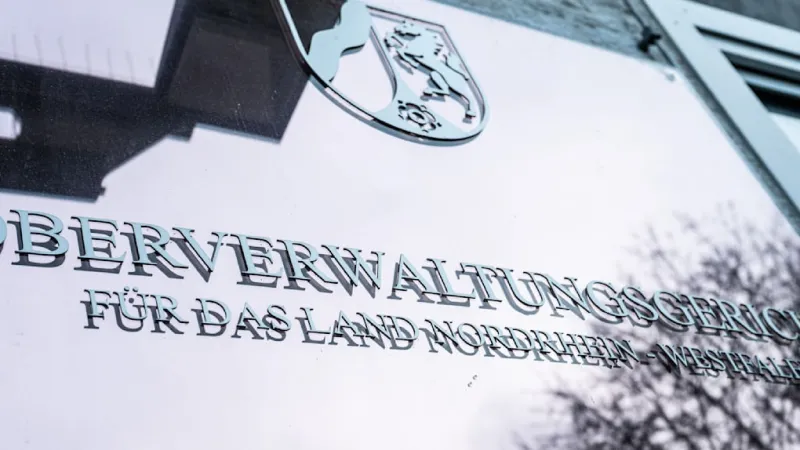
DORTMUND – German rapper 18 Karat, previously convicted of extensive drug trafficking, faces imminent deportation from the country after a court upheld an order initiated by the city of Dortmund. The judicial decision solidifies the municipalities demand for the artist to leave German territory, stemming from a serious criminal offense.
The rapper, whose legal name is not widely publicized in connection with his stage persona, received a six-year prison sentence for his involvement in dealing kilograms of illicit substances. This conviction forms the bedrock of the present deportation proceedings, highlighting Germany's stringent stance on serious criminal activities by foreign nationals.
The city of Dortmund initially issued the directive for 18 Karat to depart Germany, a move that is customary for non-citizens convicted of severe crimes. This administrative order was subsequently subjected to judicial review, a standard procedure ensuring legal compliance and due process for affected individuals.
Legal experts indicate that the court's confirmation signifies a significant hurdle for the rapper to overcome any further challenges to his removal. Such rulings often represent the culmination of a thorough legal examination, weighing the individuals rights against public safety and national interest.
While the specific details of 18 Karats residency status remain undisclosed, his conviction and the ensuing legal actions underscore the limited tolerance within the German legal framework for foreign residents who commit grave offenses. The outcome sends a clear message about the consequences for criminal conduct.
Germany maintains robust laws concerning the deportation of non-citizens convicted of felonies, particularly those involving drug-related crimes. These provisions are designed to protect public order and security, reflecting a broader European trend toward stricter enforcement of immigration and criminal statutes.
Previous cases involving foreign nationals engaged in illicit activities have also led to similar outcomes. For instance, the recent conviction of an individual in a TikTok Peddler Busted in Lucrative German Passport Certification Scam underscores the German authorities commitment to addressing criminal enterprises, irrespective of their nature.
Deportation after serving a prison sentence effectively nullifies any residency permits or rights previously held by the individual. For 18 Karat, this means the end of his legal stay in Germany once his custodial sentence is complete or an alternative arrangement is made.
The implications for 18 Karats career and personal life are profound. As a public figure in the German music scene, his absence from the country will undoubtedly impact his ability to record, perform, and interact with his fanbase within Germany.
This ruling aligns with the principles of rule of law, where legal consequences apply uniformly to all individuals, irrespective of their profession or public standing. The confirmation of the deportation order serves as a potent reminder of the severe repercussions awaiting those who violate German criminal statutes.
The rapper's legal team has not yet issued a public statement regarding potential further appeals or the timeline for his eventual deportation. However, the court's recent decision suggests that the process is moving decisively toward his removal from the country.
The case highlights the intersection of celebrity, crime, and immigration law within Germany, a complex area where legal precedent often dictates the final outcome. The focus remains on the judicial determination that validated the city of Dortmunds initial deportation order.