 Stefani Rindus
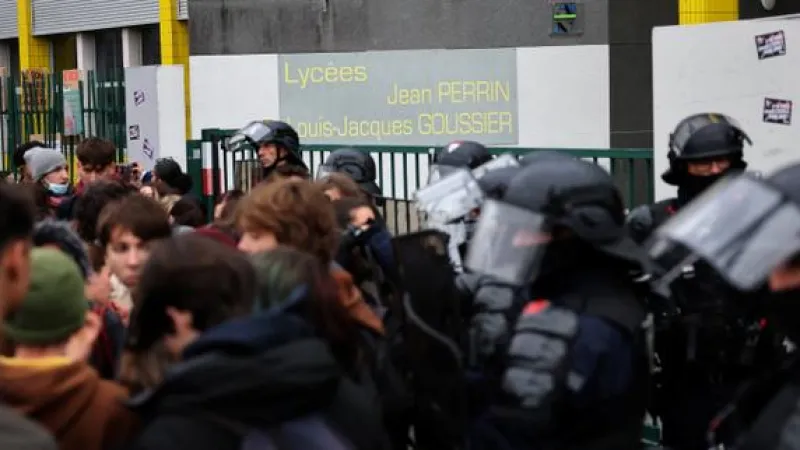
PARIS – The French government has announced a stringent new policy, mandating systematic referrals to the justice system for all incidents of violence occurring during high school student protests across the nation. This decisive measure aims to restore order and decisively end the persistent unrest that has disrupted educational establishments.
The administration declared its clear intent to “end this crisis,” emphasizing a resolute stance against disruptions. Officials affirmed that “the security of establishments will continue to be ensured (...) as long as necessary,” signaling an unwavering commitment to maintaining a safe learning environment for all students and staff.
Further reinforcing its position, the government also stated unequivocally that “disciplinary proceedings will be initiated against troublemakers.” This dual approach combines enhanced security presence with immediate legal consequences for those involved in violent acts, signaling a zero-tolerance policy.
The widespread student protests, or “mouvement lycéen,” often stem from various grievances, ranging from educational reforms and curriculum changes to broader socio-economic concerns. While the immediate catalysts for the current wave of unrest remain fluid, the government's response indicates a move towards stricter enforcement.
Implementing a systematic referral process means that incidents previously handled internally or through minor administrative actions will now automatically escalate to the judicial authorities. This shift could lead to more significant legal ramifications for student offenders, including potential criminal records or other penalties.
The heightened security measures deployed at schools and universities are expected to continue indefinitely, forming a robust barrier against further escalation. This sustained presence underscores the gravity with which authorities view the current situation and their determination to prevent future disturbances.
Critics and civil liberties advocates may raise concerns about the potential overreach of state authority and the impact on the right to peaceful assembly. However, the government frames these actions as essential to safeguard public property, ensure academic continuity, and protect the well-being of the majority of students who are not participating in violent acts.
Historically, student movements in France have played a significant role in political and social discourse, sometimes catalyzing broader societal change. The current government’s firm response aims to prevent such movements from devolving into sustained anarchy or widespread property damage.
The commitment to robust security measures echoes efforts seen globally when schools face significant threats or disruptions. For instance, the prompt response to an incident at Rome High School recovering from evacuation amid mixed feelings highlighted the critical need for swift and decisive action in educational settings.
Similarly, the broader challenges of maintaining school safety are evident in events such as the massive bomb scare forcing evacuation of six thousand schools nationwide, demonstrating that disruptions can arise from diverse sources and demand comprehensive security protocols.
This new policy represents a significant escalation in the government’s approach to student dissent, moving beyond traditional dialogue and mediation towards a more punitive framework. It underscores a belief that past methods have proven insufficient in deterring persistent violence.
The long-term implications of this strategy remain to be seen, both in terms of its effectiveness in quelling the unrest and its impact on student-government relations. Educational leaders and parent organizations will closely monitor the enforcement of these new guidelines.
By ensuring the “systematic” involvement of the justice system, authorities hope to send an unambiguous message: violent acts will not be tolerated within the educational sphere, and those responsible will face the full force of the law.
This firm stance is poised to reshape the landscape of student activism in France, potentially deterring future violent outbreaks but also raising questions about the balance between protest rights and public order. The government remains steadfast in its resolve to restore calm and security to schools nationwide.