 Angela Stefani
The political landscape in Germany has been roiled by a contentious semantic debate following remarks made by a prominent leader of the Christian Democratic Union (CDU) in Lower Saxony. His use of the term "clan criminality" to describe organized crime activities has drawn sharp condemnation from the Green Party, igniting accusations of promoting "violence fantasies" and deepening divisions over appropriate political discourse.
This dispute has transcended mere party lines, prompting wider discussion on the responsible use of language in addressing complex societal issues. The specific words chosen by politicians often carry significant weight, shaping public perception and policy approaches.
The controversy originated from comments concerning the nature of organized crime within the state of Lower Saxony. The CDU official employed the phrase "clan criminality," a term that some argue precisely identifies the structure of certain criminal networks, while others contend it is an inflammatory generalization.
Green Party representatives swiftly denounced the CDU leader's choice of words, asserting that such terminology fosters prejudice and demonizes entire communities based on familial associations. They publicly accused him of harboring "violence fantasies," suggesting his language could incite hostility and lead to discriminatory practices.
This strong reaction from the Greens underscores a persistent tension in German politics regarding the framing of sensitive topics. Debates about "language sensitivity" or "political correctness" frequently emerge, particularly when issues involving migration, integration, or law enforcement are discussed.
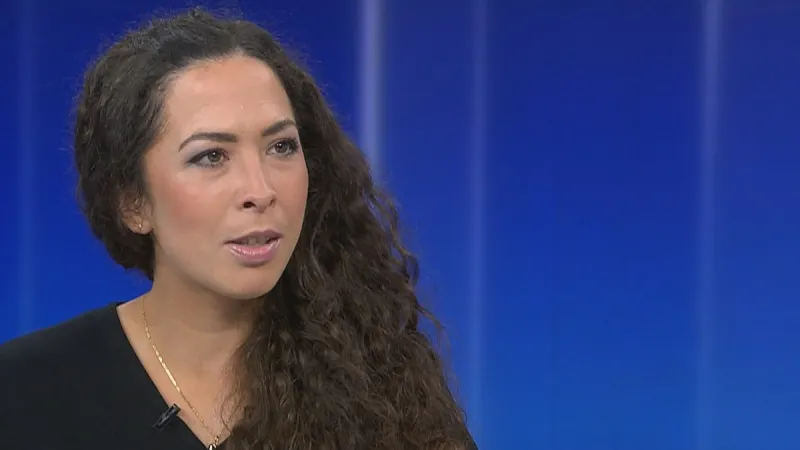
However, not all observers concur with the Green Party's critical stance. Veteran journalist Anna Schneider, writing for the "Meine WELT – Meine Meinung" segment, castigated the focus on the CDU leader's word choice. Schneider suggested that the debate was unduly centered on semantics, detracting from the substantive issue of combating serious criminal enterprises.
Schneider's commentary reflects a viewpoint held by some, who argue that an overemphasis on linguistic nuances can overshadow the urgent need to address tangible problems. They contend that genuine policy solutions risk being sidelined by protracted discussions about how issues are phrased.
The term "clan criminality" itself has become a flashpoint. Proponents argue it accurately describes criminal groups structured along familial or ethnic lines, operating with internal rules and hierarchies that often evade traditional law enforcement methods. They maintain that ignoring this specific organizational aspect hinders effective intervention.
Conversely, critics assert that the term can be misleading and discriminatory. They argue that it risks associating entire families or ethnic groups with illegal activities, potentially stigmatizing innocent individuals and communities. This perspective advocates for language that focuses on criminal acts rather than perceived group affiliations.
This current political imbroglio highlights the intricate balance between precise description, social sensitivity, and political messaging. Leaders are often caught between the need to articulate security concerns directly and the imperative to avoid language that could be perceived as divisive or inflammatory.
The incident in Lower Saxony serves as a microcosm of broader European debates concerning crime, immigration, and identity. Governments across the continent grapple with how to discuss and address organized crime while upholding principles of equality and preventing xenophobia.
As the discussion continues to unfold, political analysts will closely monitor whether this semantic dispute yields any shift in official language policies or if it merely solidifies existing ideological divides within the German political spectrum. The core challenge remains: how to confront criminality effectively without sacrificing social cohesion.
Ultimately, the controversy surrounding "clan criminality" in Germany reveals the potent power of words in public discourse. It underscores how linguistic choices can either unite or polarize, clarify or obscure, and ultimately influence the trajectory of national debates on critical societal challenges.
The CDU leader has yet to issue a formal retraction or clarification, indicating a potential readiness to stand by his original phrasing. This steadfastness suggests a calculated political stance designed to appeal to a segment of the electorate that values directness over perceived linguistic circumspection.
Meanwhile, the Green Party maintains its position, advocating for a more inclusive and less categorizing lexicon in political communication. Their insistence reflects a foundational belief in the importance of language as a tool for social justice and preventing discrimination.
The German public, through various media outlets and social commentary, is now engaged in its own parallel debate, weighing the merits of accuracy versus sensitivity in political expression. This reflects a healthy democratic process, albeit one sometimes fraught with contention over the finer points of communication.