 Stefani Rindus
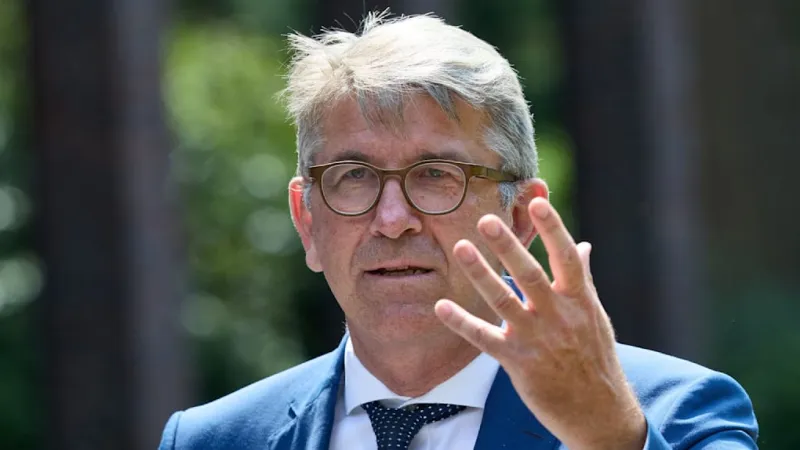
BERLIN – Germany's Culture State Minister Wolfram Weimer has publicly asserted the urgent need for an "intellectual-cultural approach against right-wing extremists," explicitly targeting the Alternative for Germany (AfD) party. Weimer, rejecting the label of a "conservative culture fighter" often attributed to him by political opponents, instead embraced the role in direct opposition to the AfD, which he contends represents a "direct continuity with the Nazis."
Weimer's strong remarks underscore a heightened political sensitivity within Germany toward the burgeoning influence of the far-right. His statement serves not merely as a political denunciation but as a call to action, delineating a specific strategy to confront what he views as a profound threat to democratic values and societal cohesion.
The minister clarified that while some on the political left might characterize him as a "conservative culture fighter," his current stance transcends such categorizations. He emphasized that his focus is not on traditional ideological battles but on a targeted campaign against a political force he believes mirrors historical atrocities.
His choice of phrasing, specifically referencing a "direct continuity with the Nazis," is particularly potent and strategically deployed in the German political landscape. This historical comparison evokes the deepest national trauma and functions as a severe warning about the potential trajectory of the AfD's ideology.
The Alternative for Germany has steadily gained ground in recent years, often capitalizing on public discontent over issues such as immigration, economic policy, and European integration. While the party maintains it operates within democratic norms, its rhetoric and certain factions within its ranks have frequently drawn accusations of xenophobia, nationalism, and historical revisionism.
Weimer's proposed "intellectual-cultural approach" signifies a commitment to counter extremism beyond mere political debate. It suggests leveraging the arts, education, media, and public discourse to challenge the narratives propagated by the AfD and reinforce a democratic, pluralistic understanding of German identity.
Such a strategy aims to inoculate the public against extremist ideologies by fostering critical thinking and promoting a nuanced appreciation of history and cultural diversity. It represents an acknowledgement that political battles are often won or lost in the realm of ideas and values.
The German government, keenly aware of its historical responsibilities, has consistently demonstrated vigilance against any resurgence of right-wing extremism. Weimer's declaration aligns with this broader national commitment to safeguard democratic institutions and prevent the erosion of fundamental human rights.
Reactions to Weimer's pronouncement are expected to be polarized. Supporters will likely hail his courageous and unequivocal stand, while the AfD will undoubtedly dismiss his characterization as inflammatory and unsubstantiated political rhetoric. This confrontation sets the stage for intensified cultural and political debates across the nation.
The minister's proactive stance is indicative of a growing conviction among mainstream political figures that passive observation of the AfD's rise is no longer tenable. An active, multifaceted defense of democratic principles is deemed imperative to counter the party's increasing electoral and societal impact.
Combating political extremism through cultural means is a complex endeavor, requiring sustained effort and broad societal engagement. It involves not only direct critique but also the active promotion of inclusive narratives that strengthen the fabric of a democratic society.
Weimer's vision for an intellectual-cultural offensive highlights the critical role that cultural institutions and public intellectuals can play in shaping political discourse and fortifying a nation against the pernicious influences of radical ideologies. This "culture fight" is poised to become a defining feature of Germany's political landscape in the coming years.