 Angel Doris
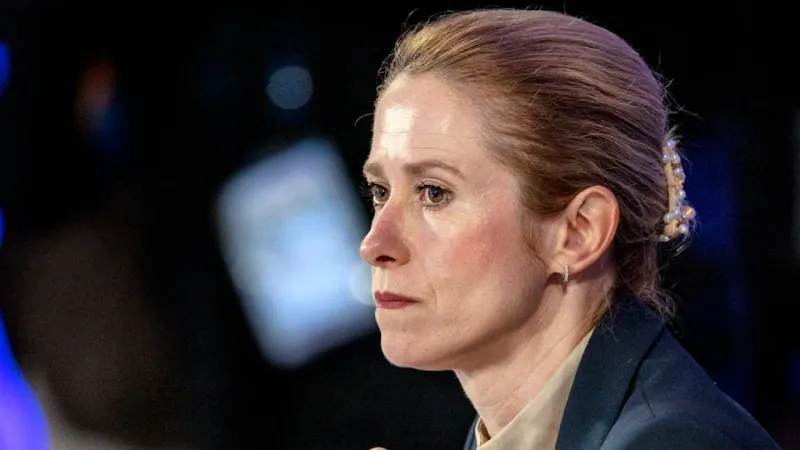
The European Union today abruptly halted plans to establish a high-level expert group dedicated to strengthening the bloc's defense policy, a significant setback for the initiative spearheaded by Estonian Prime Minister Kaja Kallas. The move comes after key member states, most notably the German government, voiced substantial opposition, asserting it was not the appropriate path at this moment.
This decision, confirmed by sources in Brussels, effectively postpones a crucial step toward deeper European defense integration. The expert group, intended to develop concrete proposals for enhancing the EU's strategic autonomy, was slated for formation today under Kallas's prominent leadership.
Estonian Prime Minister Kaja Kallas has long been a vocal advocate for a more robust and unified European defense posture, particularly in response to geopolitical shifts and persistent security challenges in Eastern Europe. Her vision for the expert group aimed to consolidate disparate national efforts and foster greater collective security within the bloc.
However, resistance from Berlin proved decisive. While the exact reasons for Germany's opposition remain nuanced, observers point to a confluence of factors, including differing strategic priorities, budgetary considerations, and a cautious approach to altering existing defense architectures.
Germany's internal political landscape may also play a role in its reluctance. Recent political upheavals, as detailed in reports like “Saxony-Anhalt Vote Forces Berlin Rethink, Coalition Facing Turmoil”, suggest a federal government grappling with domestic pressures that could influence its stance on complex European initiatives.
The cancellation underscores persistent divisions among EU members regarding the scope and speed of defense integration. While many nations acknowledge the imperative for greater self-reliance, concerns about sovereignty, financial burdens, and the potential impact on NATO commitments frequently emerge.
For proponents of a stronger European defense, this development represents a missed opportunity to capitalize on momentum generated by current global instabilities. The EU has increasingly sought to reduce its reliance on external powers for security, a policy often termed strategic autonomy.
Kallas, known for her forthright approach to security matters, had envisioned the expert group as a pragmatic mechanism to translate strategic aspirations into actionable policies. Its collapse raises questions about the political will necessary to achieve ambitious defense objectives.
The broader context of European security, shaped by the ongoing conflict in Ukraine and a shifting global power dynamic, often prompts calls for greater unity. Yet, as this incident demonstrates, translating that urgency into concrete, consensual action remains a formidable challenge for the 27-member bloc.
The implications extend beyond this specific initiative. It could signal a period of recalibration for EU defense efforts, potentially shifting focus toward less ambitious, incremental cooperation rather than bold, overarching structural reforms. Future discussions on European defense will undoubtedly proceed with renewed caution.