 Chris Robert
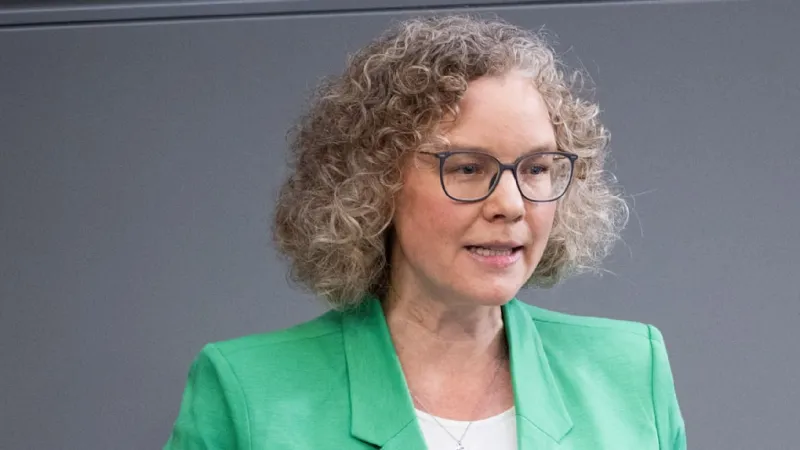
LINGEN, Germany – Green Party Vice-Chair Julia Verlinden has called for an immediate and comprehensive security reassessment of the nuclear fuel fabrication plant in Lingen, where Russia's state-owned atomic energy corporation, Rosatom, continues to participate in the production of fuel elements despite escalating geopolitical tensions.
Verlinden articulated her concerns, emphasizing that the persistent collaboration with a Russian state entity in such a critical energy infrastructure raises profound questions regarding national security and the efficacy of sanctions against Moscow. This demand injects new urgency into the ongoing debate surrounding Germany's energy independence and its strategic ties.
The Lingen facility, operated by Advanced Nuclear Fuels GmbH, a subsidiary of Framatome, has long been a point of contention for environmental groups and certain political factions. Its operation involves the processing of uranium for use in nuclear power plants, a process deemed sensitive in any geopolitical climate, but especially so given the current global dynamic.
Rosatom's involvement typically encompasses the supply of enriched uranium and specialized services crucial for the manufacturing process of the fuel elements. Critics argue that this ongoing partnership grants Russia a strategic foothold within Germany's energy sector, providing leverage that could be exploited in times of crisis.
Verlinden's call for a new security review underscores a growing apprehension within the German Bundestag about the potential vulnerabilities stemming from this collaboration. She highlighted the perceived inconsistency of maintaining such a partnership while simultaneously imposing stringent sanctions on other Russian enterprises and individuals.
“It is inexplicable that the Russian state corporation Rosatom is allowed to continue its involvement in the Lingen nuclear project, producing fuel elements, while Russia poses a significant threat to European stability,” Verlinden stated, underscoring the perceived contradiction. “A thorough security examination is not just advisable; it is imperative.”
The Green Party has historically advocated for a complete phase-out of nuclear power, but the immediate concern now shifts to ensuring that existing facilities, especially those with foreign state involvement, do not compromise national interests. This particular situation at Lingen is viewed as a glaring oversight in Germany's broader energy strategy.
Energy security has emerged as a paramount issue for European nations, particularly since the 2022 escalation of conflict in Eastern Europe. Germany, a major industrial power, has been at the forefront of efforts to diversify its energy sources and reduce reliance on Russian fossil fuels. However, the intricacies of the nuclear fuel cycle present unique challenges.
While Germany officially exited nuclear power generation in 2023, the Lingen plant plays a role in the international nuclear supply chain, fabricating fuel for reactors in other countries. This distinction, however, does not alleviate the concerns of those who see Russian involvement as an unacceptable risk on German soil.
Opponents of the continued Rosatom partnership point to the broader pattern of Russian influence operations and its use of energy as a geopolitical tool. They argue that any collaboration with Russian state-owned enterprises, especially in high-tech or critical infrastructure sectors, should be reevaluated through a stringent national security lens.
The federal government, led by Chancellor Olaf Scholz, has yet to issue a definitive statement regarding Verlinden's specific demand for a new Lingen nuclear project security assessment. The delicate balance between international contractual obligations, economic ramifications, and national security imperatives continues to challenge policymakers.
This debate follows a period where Germany has actively sought to diminish its energy ties to Russia, particularly regarding natural gas. The ongoing participation of Rosatom in Lingen represents one of the remaining significant, if less publicized, energy links that raise questions about strategic autonomy. For context on broader geopolitical dynamics involving Russia, one might consider recent discussions like those detailed in Kremlin Meeting: Putin Halts Kyiv, Moscow Raids Three Days.
Experts suggest that a comprehensive review would need to consider not only the physical security of the plant but also cybersecurity vulnerabilities and the potential for supply chain disruptions. The findings of such an audit could have significant implications for Germany's industrial policy and its international relations.
As the political discourse intensifies, the future of Rosatom's role in the Lingen nuclear project remains uncertain. The outcome of Verlinden's demand will likely set a precedent for how Germany navigates complex energy partnerships in an era of heightened global instability and strategic competition.