 Robert Andrison
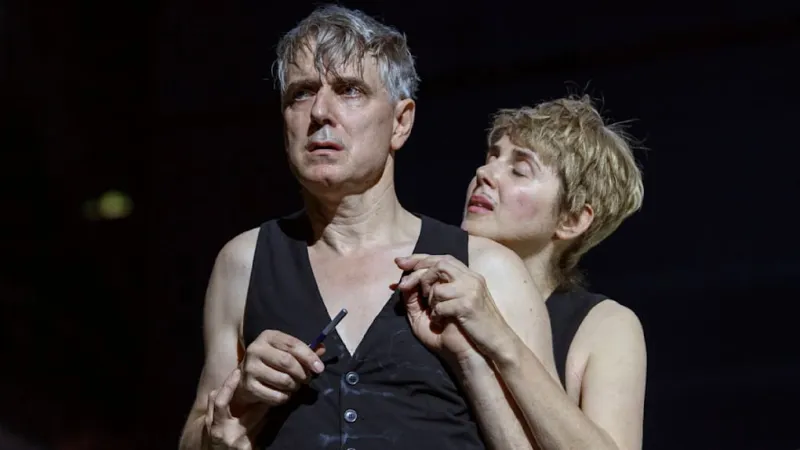
Salzburg, Austria – Nobel laureate Peter Handke's newest theatrical work received a jubilant standing ovation at the Salzburg Festival, where actors Jens Harzer and Marina Galic delivered stunning performances. The play, delving into profound themes of world-weariness and the yearning for meaning, marked a significant moment for drama at a festival traditionally dominated by opera.
The premiere saw the audience rise in fervent appreciation, signaling a triumph for Handke, whose works often provoke intense discussion and deep emotional responses. This reception underscores the play's immediate impact and its resonance with contemporary existential anxieties.
Handke, known for his experimental and often controversial literary contributions, once again challenged theatrical conventions, presenting a narrative that eschewed linear plot in favor of thematic depth and linguistic precision. His exploration of Weltekel, a German term for a profound disgust or weariness with the world, resonated palpably throughout the performance.
Complementing this exploration was the palpable Sinnsehnsucht, a powerful yearning for purpose or meaning, which provided a counterpoint to the production's darker undertones. These dual themes, central to Handke's oeuvre, were rendered with striking clarity and emotional weight by the cast.
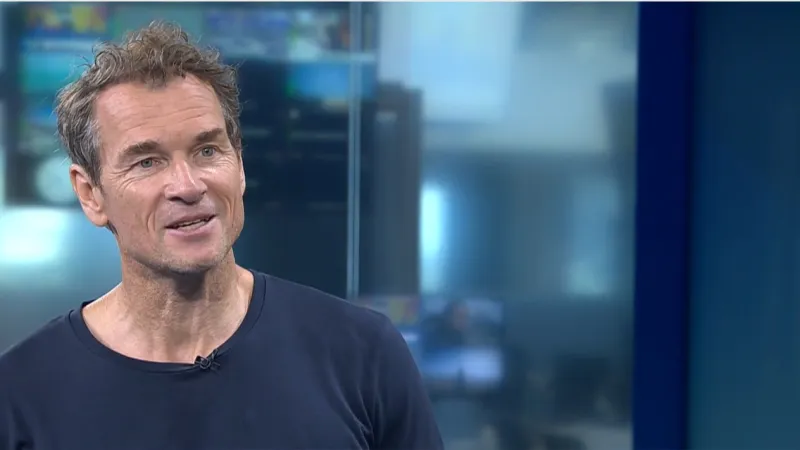
Jens Harzer, a highly regarded figure on the German-speaking stage, commanded the attention of the audience with his nuanced portrayal. His ability to convey complex inner turmoil through subtle gesture and powerful vocal delivery was widely praised by critics and attendees alike.
Marina Galic, sharing the stage with Harzer, delivered an equally compelling performance, bringing a formidable presence and emotional intensity to her role. Their dynamic interplay formed the bedrock of the production, elevating Handke's challenging text to an accessible and deeply moving experience.
The play's success also represents a notable moment for the Salzburg Festival, traditionally renowned for its operatic extravaganzas. Handke's work, drawing significant attention to the festival's drama program, demonstrates its commitment to diverse artistic expressions and challenging contemporary theatre.
Critics noted the production's minimalist staging, which placed primary emphasis on the actors' performances and Handke's intricate language. This artistic choice allowed the audience to immerse themselves fully in the philosophical underpinnings of the piece without visual distractions.
Peter Handke received the Nobel Prize in Literature in 2019, an award that sparked international debate due to his past political stances. Nevertheless, his literary genius and profound influence on modern European theatre remain undeniable, as evidenced by the rapturous reception in Salzburg.
The festival continues to showcase a broad spectrum of arts, yet Handke's new play stands out as a particular highlight, solidifying the importance of the spoken word and the power of dramatic interpretation within its grand cultural tapestry.
This dramatic success is poised to reignite conversations about the role of theatre in confronting global disillusionment while simultaneously inspiring hope for deeper human connection and understanding.
The collaboration between Handke, the acclaimed actors, and the festival's artistic direction has forged a memorable cultural event, underscoring the enduring power of live performance to capture and reflect the human condition.