Angela Stefani
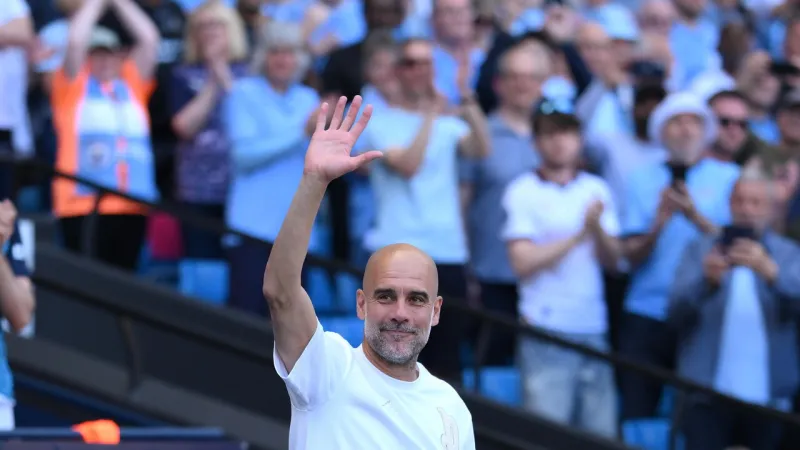
ROME – Renowned football strategist Pep Guardiola has formally declined the Italian Football Federation's (FIGC) overture to assume the managerial reins of the national team, the Azzurri. Citing a need for personal respite, Guardiola has announced his intention to take a sabbatical, removing himself from consideration for one of Europe's most coveted coaching positions for the foreseeable future. This decision leaves the FIGC searching for a new head coach to guide Italy's storied squad.
The Federcalcio had reportedly made a substantial offer to the former Barcelona and Bayern Munich tactician, hoping his pedigree and innovative approach could revitalize the Azzurri following a period of inconsistent performance. Sources close to the federation indicated that high-level discussions had taken place, with Italian football authorities keen to secure a manager of Guardiola's caliber.
Guardiola, recognized globally for his trophy-laden career, recently concluded a highly successful tenure, further cementing his status as one of the sport's most influential figures. His coaching philosophy, marked by possession-based play and tactical flexibility, has garnered widespread acclaim and an enviable collection of domestic and international titles.
The decision to opt for a sabbatical comes as a surprise to many within the footballing world, particularly given the prestige associated with managing a national team like Italy. While specific reasons remain private, it is understood that the intense demands of top-flight club management for over a decade have prompted Guardiola to prioritize personal well-being and a break from the relentless schedule.
This development presents a significant challenge for the FIGC, which faces renewed pressure to appoint a charismatic and capable leader who can unite the squad and inspire confidence ahead of major international tournaments. The pool of elite coaches available and willing to take on the demanding national team role is notably smaller than that for club football.
Federation officials have yet to issue a comprehensive public statement regarding Guardiola's refusal, but internal discussions are undoubtedly underway to reassess their candidate list. The immediate focus will shift to identifying other high-profile managers who possess the necessary experience and vision to steer the Azzurri forward.
Media outlets across Italy and Europe have reacted with a mixture of disappointment and understanding. Many pundits had seen Guardiola as a dream appointment capable of restoring Italy to its former glory. The news sparks considerable speculation regarding who will now fill the void and what this means for Italy's prospects on the international stage.
Guardiola's future after his sabbatical remains a topic of intense conjecture. While he has indicated a desire for a break, it is widely anticipated that he will be courted by Europe's biggest clubs once he decides to return to management. His track record ensures he will have no shortage of suitors, whether in the Premier League, La Liga, or elsewhere.
The choice to step away, even temporarily, is not unprecedented among elite coaches. Several high-profile managers have taken career breaks to recharge or pursue other interests, only to return with renewed vigor. This trend highlights the increasing physical and mental toll exacted by modern football management.
The landscape of national team coaching appears increasingly complex, with managers like Jurgen Klopp reportedly demanding significant control over their operations, as highlighted by articles such as "Klopp Demands Control, Threatens Swift Exit from German National Team". This dynamic suggests that federations must offer more than just prestige to attract the very best.
The Italian national team now faces a critical juncture. The selection of their next manager will be pivotal in shaping the team's identity and competitive strength for the upcoming cycle. The decision-making process will require careful consideration to ensure a leader is chosen who can navigate the complexities of international football and build a cohesive, winning unit.
The Federcalcio will be aware that the success of the national team significantly impacts the morale and overall health of the entire footballing pyramid within Italy. Securing the right fit is not merely a sporting matter but a point of national pride and cultural importance. The search continues for a manager capable of inspiring the Azzurri to future triumphs.
This marks a significant moment in the trajectory of both Guardiola's illustrious career and the immediate future of Italian national football. The world waits to see who the FIGC will ultimately turn to, and when Guardiola will next grace the touchline.