 Chris Robert
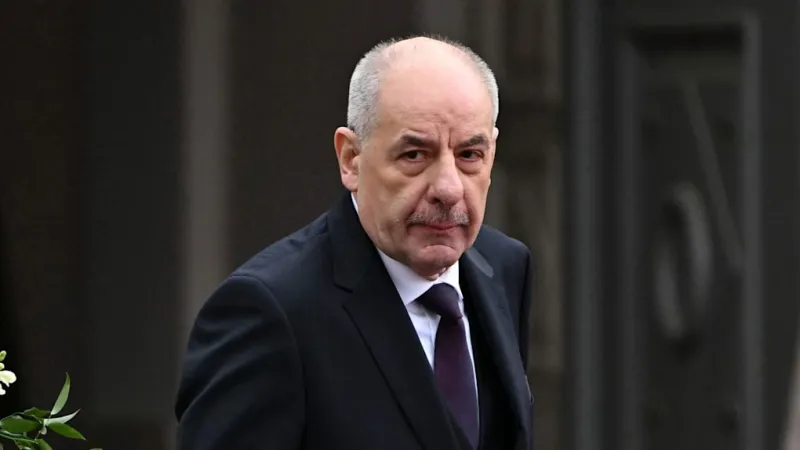
BUDAPEST – Hungarian President Tamas Sulyok, a staunch ally of Prime Minister Viktor Orban, has declared his intention to sign a significant constitutional amendment that would allow for his own removal from office. The President stated he perceives no legal pathway to prevent the controversial measure from becoming law, marking a critical development in Hungarys executive landscape.
This decision underscores a complex political dynamic within the Central European nation, where the powers of the presidency are largely ceremonial but carry symbolic weight. The amendments passage, with Sulyoks endorsement, highlights the intricate interplay between the various branches of government and the ruling Fidesz partys legislative agenda.
The role of the Hungarian president is primarily representative, acting as the head of state and commander-in-chief, yet holding limited executive powers compared to the prime minister. Presidents typically serve as a check on legislative power, though their ability to veto laws is often subject to further parliamentary review.
Sulyok, a former head of the Constitutional Court, assumed the presidency earlier this year, succeeding Katalin Novak, who resigned amid public outcry over a controversial presidential pardon. His appointment was widely seen as a move to ensure continued alignment with Orbans nationalist government and its political direction.
The proposed amendment introduces or clarifies mechanisms through which a president could be removed, potentially altering the perceived stability and independence of the office. While the specific triggers for such a removal are not detailed in the brief information, the presidents acknowledgment of its inevitability suggests a predetermined outcome.
Prime Minister Orbans government has a history of consolidating power and enacting legislative changes that critics argue centralize authority. This latest constitutional adjustment, while ostensibly targeting the presidency, could be interpreted within the broader context of reinforcing the ruling Fidesz partys control over state institutions.
Sulyoks statement regarding the absence of legal recourse to block the amendment is particularly salient. It implies either a complete parliamentary consensus on the measure, rendering a presidential veto ineffective, or a constitutional framework that offers the head of state little latitude to oppose such legislative initiatives once they reach his desk.
In many democratic systems, presidential impeachment processes are designed to be arduous, requiring significant legislative majorities and often involving a judicial review. The Hungarian scenario, as presented, appears to bypass or diminish such traditional safeguards, at least from the perspective of the incumbent president.
The long-term implications of this constitutional change remain to be seen, but observers will undoubtedly scrutinize how such a mechanism might be deployed in future political circumstances. It could set a precedent for future presidents, potentially increasing their vulnerability to political pressure or legislative action.
This development reflects a potent assertion of parliamentary supremacy and reinforces the executive branchs dominant position within Hungarys political architecture. The signing of an amendment allowing ones own potential removal, however, is an unusual act that highlights the unique nature of Hungarian governance under the current administration.