Gabriella
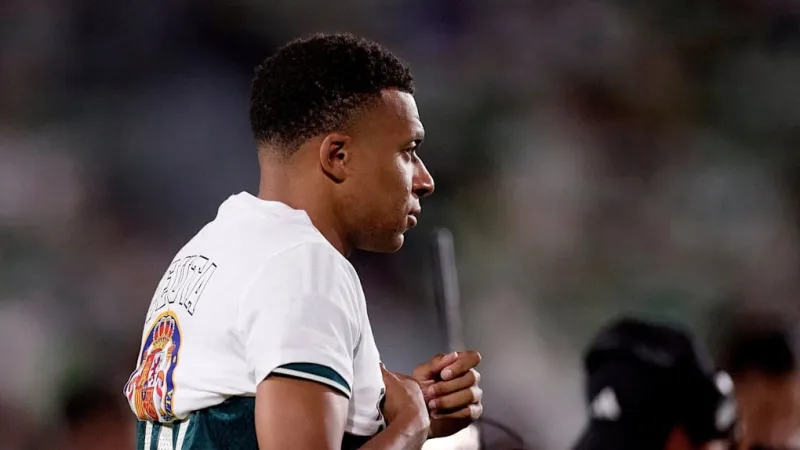
Football superstar Kylian Mbappé publicly defended his controversial Ceuta T-shirt gesture, asserting his humanity transcends his athletic career ahead of an anticipated match linked to his future with Real Madrid. The French forward declared, "Before I am a footballer, I am a human being," a statement that reverberated across global sports and social media platforms.
The gesture, involving a T-shirt emblazoned with a reference to Ceuta, a Spanish autonomous city situated on the North African coast, ignited immediate discussion. Ceuta, bordering Morocco, serves as a significant flashpoint in ongoing migration debates and territorial sovereignty disputes between Spain and its African neighbor.
Mbappé's powerful declaration underscores a growing trend among elite athletes who leverage their immense global visibility to advocate for social or political causes. His words frame his actions not as a simple fashion choice but as a deeply personal statement of conviction.
Observers note the specific timing of the controversy, occurring before a high-profile fixture with Real Madrid, a club with which Mbappé has been heavily associated. This confluence amplifies the scrutiny on his actions, placing his personal beliefs under a brighter spotlight.
The Spanish enclave of Ceuta holds complex historical and geopolitical significance. Its heavily fortified borders are a frequent site for migrants attempting to reach European soil, often leading to humanitarian crises and diplomatic tensions. A Ceuta T-shirt, therefore, carries inherent political and social connotations.
Mbappé, known for his prowess on the pitch, has previously engaged in discussions beyond football. His latest intervention reinforces his willingness to use his platform, estimated to reach hundreds of millions worldwide, to draw attention to matters he deems important.
Sports personalities often face a delicate balance between expressing personal views and adhering to club or league expectations that typically advocate for political neutrality. Mbappé's direct challenge to this norm suggests a prioritization of his conscience over potential corporate or sporting repercussions.
The incident prompts a broader dialogue about the role of athletes in modern society. Are they merely entertainers, or do their societal positions obligate them to speak out on pertinent issues? Mbappé’s stance clearly leans toward the latter, aligning with a lineage of sports figures who have used their fame for advocacy.
This episode also highlights the differing attitudes coaches and players hold regarding public expression. While some advocate for focus solely on the game, others believe in the power of a unified voice for change. The ongoing debate around such expressions is further explored in discussions like those detailed in "Coaches Clash: Eta, Cardoso on Gender Differences in Football Attitude," illustrating the varying perspectives within the sport itself.
The reaction from the football establishment, including his current club (presumably PSG at the time of the incident) and potential future employers, remains a point of keen interest. How they navigate an athlete's moral stand versus commercial interests will undoubtedly shape future interactions.
Mbappé's defense of his Ceuta T-shirt, therefore, transcends a mere clothing choice. It stands as a potent reminder that even within the highly commercialized world of professional football, individuals, particularly those with immense influence, continue to assert their right to humanity and conscience on a global stage.