 Dorry Archiles
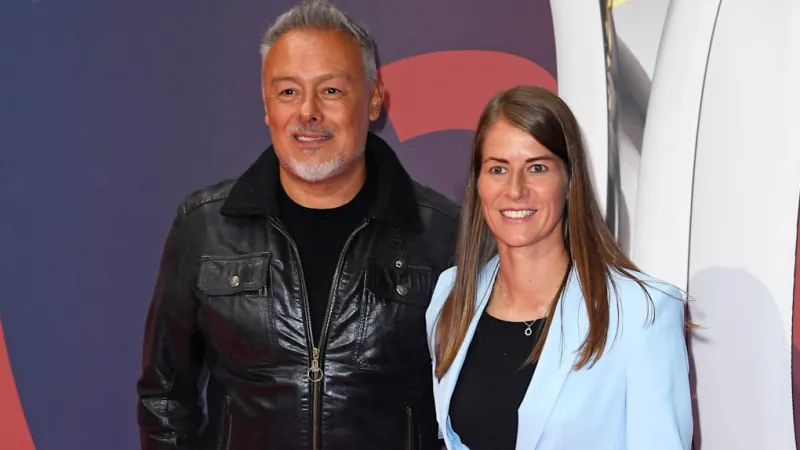
Marie-Louise Eta and Rodolfo Cardoso, two prominent football coaches with extensive experience leading both men's and women's teams, are set to meet in a highly anticipated match next season. Their upcoming encounter has ignited a broader discussion within the sport, particularly regarding player temperament and the perceived differences between male and female athletes, a topic both coaches have candidly addressed.
Eta, who has carved a significant niche in coaching, brings a unique perspective from her time guiding diverse squads. Her career trajectory underscores a growing trend of women ascending to substantial coaching roles in professional football, challenging long-held conventions and demonstrating impressive leadership.
Cardoso, a former professional player turned seasoned coach, also boasts a robust resume across various echelons of the sport. His experience spans different locker room cultures, providing him with a wide lens through which to view player development, team cohesion, and the intricate art of motivation.
A recent conversation involving both coaches delved into topics of groundedness, new strategic objectives for their respective teams, and the critical issue of player discipline and motivation. It was during this exchange that their contrasting observations on team attitudes came sharply into focus.
One striking comment, attributed to one of the coaches from the discussion, succinctly captured a perceived divergence: “The girls are grateful. They participate and do not complain as much as the boys.” This observation has resonated across the football community, prompting reflection on the psychological aspects of team management and individual player responses to coaching directives.
Such a statement highlights a nuanced debate within elite sports: whether fundamental differences exist in how male and female athletes approach training, adversity, and leadership. It moves beyond mere anecdotal evidence to touch upon deeper sociological and psychological underpinnings in team environments.
The impending clash between teams led by Eta and Cardoso promises to be more than just a tactical battle; it will symbolically pit their accumulated experiences and philosophies against each other. Each coach will bring their distinct methodologies, shaped by their diverse tenures, to the touchline, aiming to leverage their understanding of player psychology.
Eta is widely known for fostering an environment of strong work ethic and mutual respect, attributes she often sees mirrored in the women's teams she has guided. Her coaching approach emphasizes consistent effort and a positive, collaborative attitude as cornerstones of success, aiming to cultivate self-motivated athletes.
Cardoso, conversely, might frequently encounter the more vocal and demanding characteristics sometimes associated with male teams. His methods often involve robust challenges and direct communication to cultivate resilience and assertiveness among his players, reflecting a different set of expectations and response mechanisms.
This dialogue among top-tier football coaches arrives at a time of increasing scrutiny on equality and gender representation within sports. With commercial aspects of the game also evolving, as seen with Paramount+ securing Champions League rights, the insights shared by Eta and Cardoso contribute valuable points to the ongoing conversation about how best to cultivate talent across all demographics, both on and off the pitch.
As the new season approaches, all eyes will be on the strategies employed by these two seasoned football coaches. Their interaction, both on and off the field, will likely offer further lessons on leadership, sports psychology, and the intricate art of managing diverse athletic personalities in the pursuit of victory.