 Chris Robert
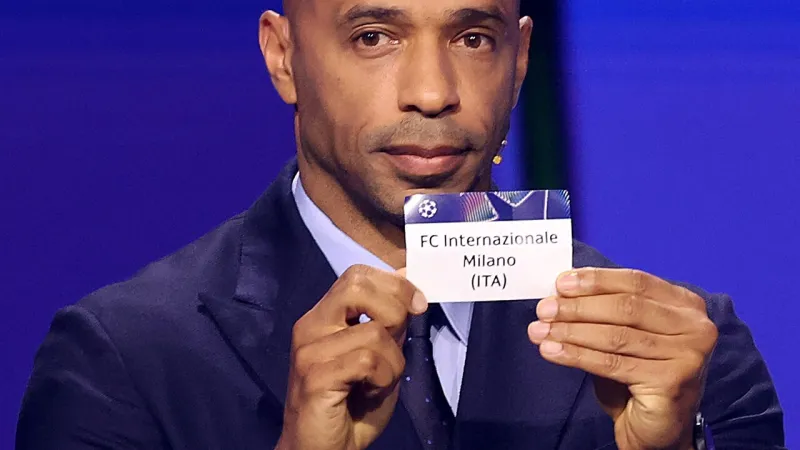
Monaco witnessed the unveiling of Europe's top club football rivalries today as the UEFA Champions League group stage draw concluded at the Grimaldi Forum. The eagerly anticipated event set the initial paths for 32 elite teams, with Italian giants Inter Milan securing a coveted spot in Pot One. French champions Paris Saint-Germain, meanwhile, were positioned to embark on their perennial pursuit of a major European conquest.
Inter Milan’s inclusion in Pot One underscores their consistent performance in recent European campaigns and their domestic success. This top seeding is crucial, theoretically granting them a more favorable draw by avoiding other continental powerhouses in the initial stage. Their strategic placement could significantly smooth their path to the knockout rounds, building on their strong recent showing.
Paris Saint-Germain, perennially ambitious, now faces the challenge of navigating their group as they continue their quest for the elusive Champions League trophy. The club’s significant investment in star talent reflects an unwavering commitment to achieving ultimate continental glory, making each Champions League draw a pivotal moment for their season's aspirations. Fans worldwide will keenly watch their progression.
The draw procedure in Monaco meticulously divided the 32 qualifying teams into eight groups of four. Pot One comprised the reigning Champions League and Europa League winners, alongside the champions of the six highest-ranked national leagues. Subsequent pots were allocated based on UEFA club coefficients, ensuring a balanced distribution of strength across the groups while adhering to regulations preventing clubs from the same national association from being drawn together.
Intriguing matchups inevitably emerged, promising captivating clashes when the competition officially begins. Groups featuring a blend of established titans and potential dark horses are expected to deliver high-stakes drama and memorable footballing moments throughout the autumn and into winter. Indeed, the Champions League Draw Ignites European Rivalries; Inter Tops Pot One, setting the stage for months of intense competition.
Beyond Inter Milan, other prominent Italian clubs awaited their fate, each aiming to make a significant impact on Europe’s grandest stage. Similarly, powerhouses from England, Spain, Germany, and other top leagues learned which adversaries they must overcome to advance. The draw serves as a crucial blueprint for strategic planning and squad preparation.
The economic implications of participating in the Champions League are immense, with significant prize money, broadcasting revenues, and increased commercial opportunities at stake. Advancing through the group stages and into the knockout rounds provides a substantial financial boost, allowing clubs to further invest in talent and infrastructure, reinforcing the competition’s global appeal.
Historically, the UEFA Champions League has provided some of football’s most iconic moments, etching legends into the annals of the sport. From dramatic comebacks to breathtaking individual brilliance, the tournament captivates billions of viewers, solidifying its status as the pinnacle of club football. Each season adds new chapters to this storied legacy.
With the Champions League draw now complete, teams will shift their focus to tactical preparations and squad cohesion ahead of the inaugural group stage fixtures. Managers and players alike will analyze their opponents, devising strategies to secure vital points and establish early dominance in their respective groups. The road to the final in 2027 has officially begun.
The anticipation among supporters is palpable. Football enthusiasts across the globe are already dissecting the matchups, debating potential outcomes, and dreaming of their teams lifting the coveted trophy. The draw has not only defined the initial competition structure but has also ignited the passions that make the Champions League an unparalleled sporting spectacle.