 Angel Doris
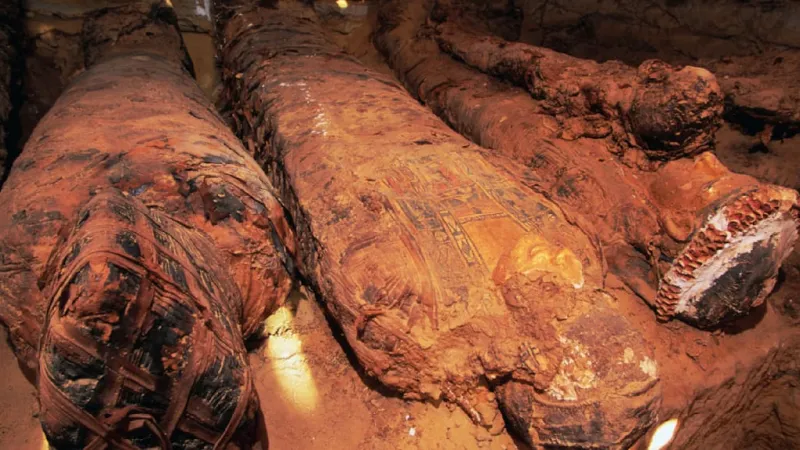
The illicit global trade in mummified human remains is escalating, presenting a profound public health crisis, according to a significant new study. Researchers have unearthed the alarming potential for ancient corpses, some centuries old, to release dangerous pathogens and chemical compounds, transforming a macabre market into a grave biohazard.
This burgeoning black market frequently involves isolated body parts, such as mummified hands and feet, which are discreetly exchanged across international borders. Scientists probing these ancient tissues warn that the decomposition processes, even in mummified states, do not fully neutralize all biological threats.
The scientific investigation delved into the microbiological and chemical composition of these preserved remains. Findings indicate that dormant bacteria, fungi, and even viral fragments can persist within these tissues for extended periods, remaining viable under specific conditions.
Exposure to such materials poses a tangible risk of transmitting infectious diseases to individuals handling or coming into contact with them. Laboratory analysis revealed the presence of pathogens associated with historical epidemics, underscoring the necessity for extreme caution.
Beyond microbiological threats, the study also highlighted potential chemical hazards. Preservation techniques used in antiquity sometimes involved substances that, over time, can degrade into toxic compounds, further compounding the health risks.
The increasing demand for mummified human remains stems from various illicit interests, including collectors of morbid curiosities, individuals engaging in occult practices, and even fringe scientific groups seeking unusual specimens. This diverse demand fuels a complex supply chain.
Law enforcement agencies worldwide face significant challenges in combating this clandestine trade. The often ambiguous legal status of human remains in different jurisdictions complicates interdiction efforts, allowing traffickers to exploit loopholes.
Researchers emphasized that while the probability of large-scale contagion might be low, the consequences of even isolated cases of disease transmission could be severe. They advocate for international cooperation to develop stricter regulations and enforcement protocols.
Public health authorities are now considering integrating these findings into their risk assessment frameworks. Understanding the pathways through which pathogens from ancient sources could re-emerge is critical for contemporary disease surveillance.
This disturbing trend underscores a broader societal challenge concerning the respect for human dignity and the proper handling of deceased individuals. The commodification of human remains for illicit purposes represents a profound ethical violation.
The scientific community continues to explore the longevity and viability of microorganisms in diverse environments, including archeological contexts. This particular research provides a stark reminder of the hidden dangers in ancient biological materials, particularly when handled without proper safeguards.