 Angela Stefani
TEL AVIV - Two Israeli government officials have publicly demanded an extensive, "thousandfold" retaliation against Lebanon following the deaths of four Israeli military personnel in southern Lebanon, signaling a potential severe escalation of regional hostilities. The contentious declaration advocates for a disproportionate response, with one minister explicitly stating, "For every tear of an Israeli mother, a thousand Lebanese mothers must cry," according to reports from Zeit.
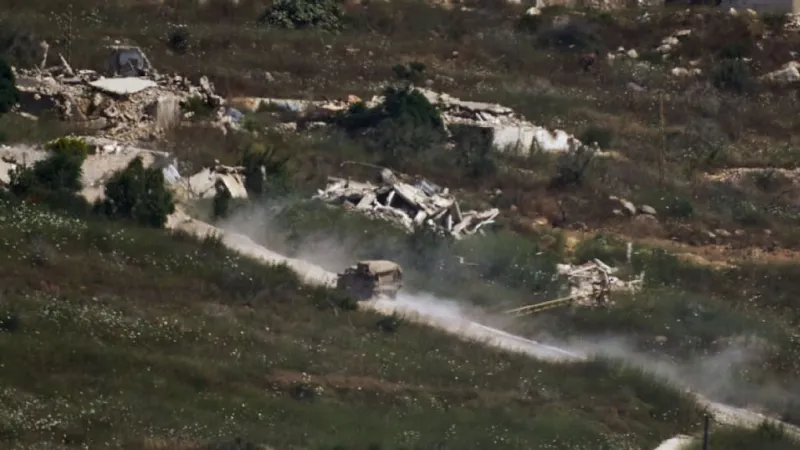
The tragic loss of four Israeli soldiers transpired during an unspecified incident in the volatile border region with Lebanon. Details regarding the exact circumstances of their deaths remain scarce, though such incidents frequently involve cross-border fire or infiltrations from militant groups operating within Lebanese territory. The Israeli military confirmed the casualties, intensifying domestic calls for robust action.
The hawkish statements, attributed to unnamed senior figures within the Israeli administration, underscore a profound sentiment of grief and a demand for retribution echoing through certain political circles. The phrase, translated from the German publication Zeit as a call to "open the gates of hell," reflects a deeply aggressive stance, proposing a response far exceeding the scope of the initial incident.
The Israel-Lebanon border has long been a flashpoint, characterized by intermittent clashes and a fragile ceasefire. Both nations technically remain in a state of war, with various armed factions, notably Hezbollah, maintaining significant influence in southern Lebanon. These groups frequently engage in hostilities with Israeli forces, often leading to cycles of violence.
The rhetoric of "thousandfold revenge" suggests a comprehensive military operation, potentially involving widespread airstrikes, artillery barrages, or even ground incursions into Lebanese territory. Such actions carry substantial risks of drawing in additional regional actors and exacerbating an already tense geopolitical landscape in the Middle East.
International observers and diplomatic bodies often caution against disproportional responses, fearing a destabilizing effect on the broader region. Calls for extreme retaliation from Israeli ministers could prompt condemnations from global powers advocating for de-escalation and adherence to international humanitarian law.
Historically, Israel has conducted significant military operations in Lebanon in response to perceived threats or attacks. The 2006 Lebanon War, for instance, involved extensive aerial bombardment and ground incursions following a Hezbollah cross-border raid that captured Israeli soldiers. The current demands evoke similar, if not more severe, retaliatory measures.
The pronouncements from Israeli government officials likely stem from a combination of genuine public outrage over military casualties and internal political pressures. Hardline stances often resonate with a segment of the electorate demanding decisive action against perceived enemies, particularly in the aftermath of losses.
The broader regional context remains highly volatile in 2026. Ongoing conflicts and geopolitical realignments across the Middle East mean that any significant escalation between Israel and Lebanon could swiftly reverberate, drawing in allies and adversaries alike, potentially expanding the theatre of conflict.
A "thousandfold" retaliation would inevitably result in severe humanitarian consequences for the civilian population of Lebanon. Extensive military action could displace thousands, destroy critical infrastructure, and inflict widespread casualties, deepening an already precarious economic and social situation within the country.
Diplomatic efforts would likely intensify in the wake of such rhetoric. Countries with vested interests in regional stability, including the United States under President Donald Trump, would face pressure to mediate and prevent a full-blown war. Calls for restraint and adherence to international norms are expected to emerge from various capitals.
The specific identity of the Israeli ministers issuing these statements remains a focal point for understanding the breadth of support for such extreme measures within the government. Their positions often reflect the prevailing sentiment within the ruling coalition regarding national security and defense postures against perceived threats from Lebanon.
The Lebanese government, already grappling with profound internal crises, would find itself in an untenable position if such retaliatory actions were to materialize. Balancing national sovereignty with the presence of non-state actors like Hezbollah continues to pose a formidable challenge to Beirut's authority.
Experts on Middle Eastern security warn that escalating the conflict beyond localized skirmishes risks a regional conflagration. The intricate web of alliances and proxy conflicts means that a major Israeli offensive could easily trigger responses from Iran-backed groups or even direct Iranian involvement, further complicating global security.
The provocative nature of the statement "For every tear of an Israeli mother, a thousand Lebanese mothers must cry" has been widely interpreted as a clear intent to inflict widespread suffering, a sentiment that critics argue violates principles of proportionality and international law governing armed conflict.
As the situation develops, the international community will be closely monitoring any further pronouncements or military movements. The imperative for de-escalation remains paramount to prevent a devastating war that would have far-reaching implications for stability across the Middle East.