 Dorry Archiles
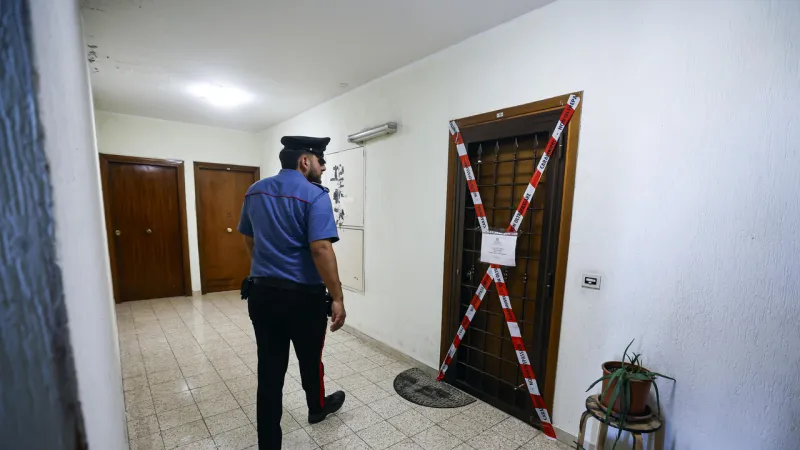
Police in Rome, Italy, recently apprehended a 51-year-old man following the grim discovery of his 71-year-old mother's body concealed inside a wardrobe within their shared apartment. Authorities allege the son murdered his elderly mother after she refused his persistent demands for money, which he reportedly sought to fuel a drug habit.
The horrific scene unfolded in the Italian capital, casting a somber shadow over the usually vibrant city. Law enforcement officials responded to an alert, leading to a meticulous search that uncovered the victim, whose identity has not yet been fully released pending further investigation.
Initial reports from Carabinieri indicate that the 51-year-old suspect, whose name has also been withheld, was taken into custody shortly after the discovery. Investigators quickly moved to establish a timeline of events and the circumstances surrounding the alleged matricide.
Sources close to the investigation suggest a history of domestic strife characterized by the son's alleged drug dependency and continuous financial exploitation of his mother. These long-standing tensions are believed to have culminated in the fatal confrontation.
The victim, described by neighbors as a quiet and dignified woman, reportedly lived in constant fear of her son's escalating demands. Her tragic demise highlights the devastating impact of addiction not only on individuals but also on their closest family members.
Investigators are currently piecing together forensic evidence and witness testimonies to build a comprehensive case. The suspect remains in detention, facing serious charges related to homicide and concealment of a body.
This incident adds to a disturbing pattern of violent crimes across Italy, often rooted in domestic disputes or substance abuse. While tragic, such events underscore the critical need for increased awareness and support systems for families grappling with addiction and its potentially lethal consequences.
The case has resonated deeply within the Roman community, prompting discussions about mental health resources and strategies to prevent such family tragedies. Authorities emphasize the importance of reporting suspected domestic violence or exploitation to prevent similar outcomes.
As the legal process unfolds, the accused is expected to undergo a preliminary hearing, where prosecutors will present initial findings and formally lay charges. The severity of the alleged crime suggests a lengthy and complex judicial proceeding.
The discovery of the body, meticulously hidden, points to an attempt by the perpetrator to cover up the crime, raising questions about the duration of the concealment and the suspect's state of mind leading up to the arrest.
This devastating event mirrors other recent acts of violence within Italian households, such as the Trani Homicide, where a teen was arrested for a fatal stabbing, and the Foggia abuse case, both illustrating the varied and often tragic forms of domestic crime. Police continue their thorough investigation, collecting all available evidence to ensure justice is served in this profoundly tragic Rome homicide.