 Chandra Wijayanto
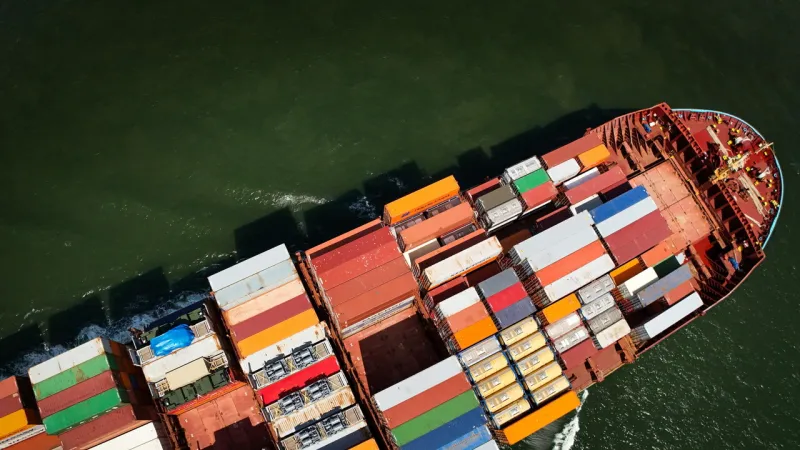
The Islamic Revolutionary Guard Corps (IRGC), often referred to as Pasdaran, announced it took action against two oil tankers under US escort in the highly strategic Strait of Hormuz. The Iranian military body asserted that the vessels had deviated from shipping routes designated by Tehran, triggering an international incident in one of the world's most vital maritime chokepoints.
This development immediately heightened concerns regarding freedom of navigation and regional stability, drawing scrutiny from international observers and naval powers alike. The incident underscores the persistent tensions surrounding Iran's claims over its territorial waters and its perceived authority in the Persian Gulf.
The Strait of Hormuz, a narrow waterway connecting the Persian Gulf to the open ocean, serves as a critical conduit for approximately one-fifth of the world's oil supply. Its strategic importance makes any military action or disruption a matter of global economic and geopolitical consequence.
Iranian authorities, through statements from the IRGC, maintained that the tankers' failure to adhere to established maritime corridors necessitated their intervention. Tehran has long asserted its right to regulate passage through the strait, particularly for vessels that it deems non-compliant with its protocols.
The US Navy Fifth Fleet, which operates in the region, routinely escorts commercial vessels through the strait to ensure safe passage and uphold international maritime law. The reported targeting of US-escorted tankers marks a direct challenge to American naval presence and its stated mission in the Gulf.
Incidents involving commercial shipping and military vessels have frequently characterized relations in the Strait of Hormuz over recent decades. Prior instances have seen Iran seizing tankers or engaging in confrontations with foreign navies, often citing infringements on its sovereignty or violations of maritime rules.
Diplomatic channels are expected to become active as international bodies and maritime organizations assess the implications of the IRGC's announcement. The incident will likely be a significant topic in upcoming discussions concerning regional security and oil market stability.
Analysts in global energy markets will closely monitor the situation for any potential impact on crude oil prices or supply chains. Disruptions in the Strait of Hormuz historically lead to upward pressure on oil benchmarks due to fears of supply shortages.
Under President Donald Trump, the United States has maintained a robust military presence in the Middle East, particularly to deter Iranian aggression and protect its strategic interests. This latest confrontation will undoubtedly factor into Washington's ongoing regional policy considerations for 2026 and beyond.
The precise nature of the action announced by the Pasdaran remains subject to verification, as do details from the US side regarding the encounter. However, the declaration itself carries considerable weight, signaling a potential escalation of tensions that could reverberate across the Middle East.
International maritime law generally upholds the right of innocent passage through straits used for international navigation. Iran, however, often interprets these rights differently within what it considers its territorial waters, leading to persistent disagreements with global shipping powers.
As the international community awaits further details and official responses, the incident in the Strait of Hormuz serves as a potent reminder of the precarious balance of power and the ever-present potential for flashpoints in this crucial geopolitical arena.