 Demian Sahputra
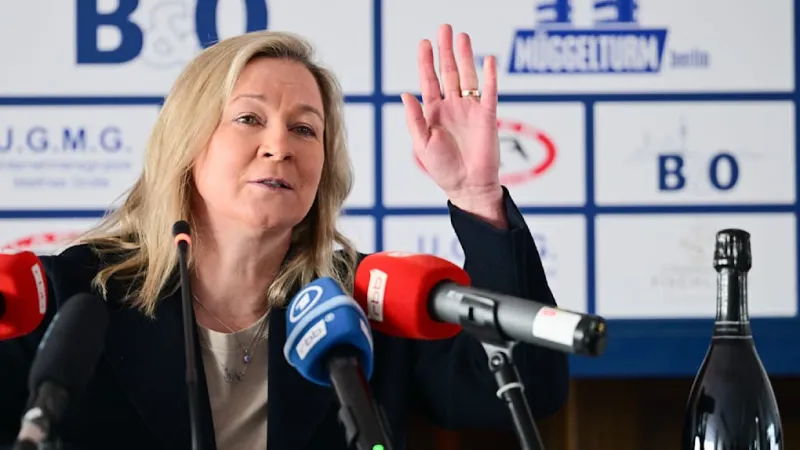
Claudia Pechstein, the decorated long-track speed skater, has been appointed national head coach for the German Speed Skating Federation (DESG) amidst months of escalating internal disputes, athlete accusations, and ongoing structural reform efforts within the organization. The promotion of the five-time Olympic gold medalist marks a significant development as the DESG grapples with deep-seated turmoil.
The contentious atmosphere surrounding the DESG has persisted for several months, characterized by a series of public disagreements and private deliberations that have cast a shadow over the sport. These disputes have primarily stemmed from a widening rift between the leadership of the federation and its active athletes.
Athletes within the DESG have vocalized numerous grievances, alleging a lack of transparency, inadequate support, and structural deficiencies that they contend hinder their development and performance on the international stage. These accusations have created a challenging environment for the administration of the federation.
Concurrently, the DESG has been engaged in an ambitious undertaking to implement a comprehensive structural reform. This initiative aims to modernize the operations of the federation, streamline decision-making processes, and foster a more collaborative relationship between coaches, athletes, and management.
The elevation of Pechstein to the role of national head coach represents a decisive move by the DESG to establish new facts on the ground even as these internal conflicts continue to unfold. Her appointment is viewed by some as an attempt to introduce stability and a fresh perspective to the embattled federation.
As an athlete, Pechstein commanded immense respect for her longevity, competitive spirit, and unparalleled success, making her one of the most iconic winter Olympians Germany has ever produced. Her transition into a pivotal coaching role now places her at the heart of the very issues she observed from the perspective of an athlete.
The timing of this promotion is particularly noteworthy. It comes at a juncture where the DESG is under intense scrutiny, with stakeholders eager for resolutions to the ongoing discord that has plagued the sport. The mandate for Pechstein will likely include navigating these complex political and athletic currents.
Observers suggest that her appointment could either serve as a unifying force, leveraging her credibility to bridge the divide between athletes and the administration, or potentially add another layer of complexity to an already intricate situation. Her immediate challenge will be to rebuild trust and foster cohesion.
The reform process, a critical backdrop to the new role for Pechstein, seeks to address systemic issues that have been identified as contributors to the woes of the federation. It is anticipated that the new head coach will play a crucial part in implementing these changes and ensuring they resonate positively with the athlete base.
The extensive experience of Pechstein as an athlete at the highest level provides her with unique insights into the demands and pressures faced by speed skaters. This firsthand understanding could be instrumental in crafting effective training programs and advocating for athlete welfare within the new structure.
The coming months will be crucial for the German Speed Skating Federation as it attempts to move past its internal strife. All eyes will be on Claudia Pechstein to see how she leverages her new authority to steer the national team toward future success and unity.