 Angela Stefani
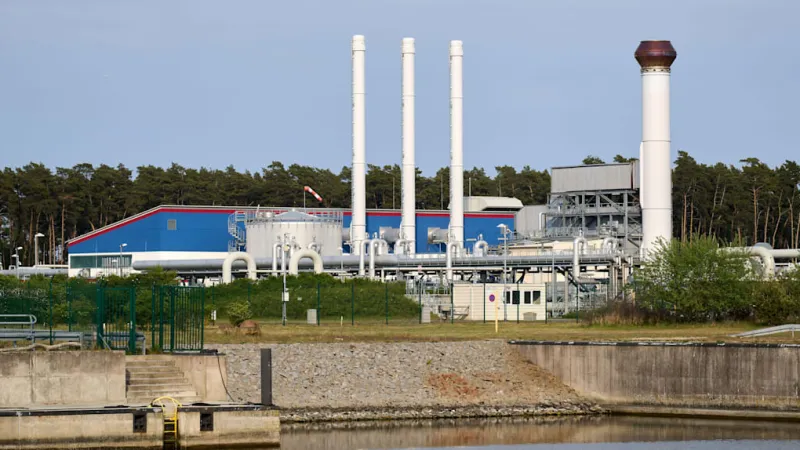
LUBMIN, Germany – A significant German gas-fired power plant located in Lubmin is slated for donation to Ukraine, a move that has ignited considerable local resistance and drawn sharp criticism over a perceived lack of governmental transparency and accountability. Investigations by WELT AM SONNTAG reveal that these plans have been underway for a much longer period than previously acknowledged by officials.
The clandestine nature of the transfer has fueled public skepticism, with many residents and local authorities in Lubmin expressing profound dissatisfaction. The controversy stems not only from the decision itself but also from the apparent reluctance of various responsible parties within the German government to openly address the details or accept ownership of the initiative.
Local opposition in the northeastern German municipality of Lubmin has intensified, with residents demanding answers regarding the rationale, logistics, and potential repercussions of exporting such a critical piece of energy infrastructure. Community leaders have voiced concerns about the long-term economic and strategic implications for the region.
Ukraine, grappling with extensive damage to its energy grid from ongoing conflict, stands to benefit significantly from such a donation. The provision of a fully operational power plant could bolster the nations energy security and provide much-needed electricity for its populace. Recent reports highlight the dire situation, with the UN confirming that Ukrainian civilian deaths have reached a multi-year high amid persistent barrages, underscoring the urgency of infrastructure support.
However, the perceived opacity surrounding the donation process has overshadowed potential humanitarian benefits. WELT AM SONNTAGs findings suggest that bureaucratic maneuvering has allowed key decision-makers to evade public scrutiny, creating an environment ripe for distrust among the local population.
The specific details regarding the plants valuation, the cost of its dismantling and transport, and the exact timeline for its relocation remain largely obscure. This lack of clear communication has left many wondering about the true cost-benefit analysis of the project for German taxpayers and the community of Lubmin.
Residents fear that the departure of the gas power plant could lead to job losses or impact the regions industrial prospects, even if the plant itself was not always fully operational. The emotional attachment to such a large industrial asset within a smaller community also plays a role in the growing discontent.
Critics point to the broader implications for German energy policy, questioning the wisdom of divesting critical infrastructure when the nations own energy landscape remains subject to geopolitical and environmental uncertainties. The decision is seen by some as potentially setting an unwelcome precedent for future asset transfers.
The German government has yet to issue a comprehensive statement addressing the accusations of prolonged planning and evasion of responsibility. Instead, a piecemeal approach to information dissemination has only exacerbated the public relations challenge.
This incident highlights the delicate balance between international aid commitments and domestic responsibilities. While supporting Ukraine is a widely accepted foreign policy objective, the manner of execution, especially regarding significant national assets like the Lubmin gas power plant, requires clear communication and broad public consensus to avoid internal strife and maintain trust.
As the situation unfolds, the spotlight remains firmly on German authorities to provide a transparent account of the Lubmin power plant transfer. The escalating local resistance signals a critical juncture where official clarification and accountability are paramount to restoring public confidence and ensuring the projects integrity. The full extent of political involvement and the precise motivations behind the extended planning phase without public disclosure continue to be central questions demanding urgent answers.