 Debby Wijaya
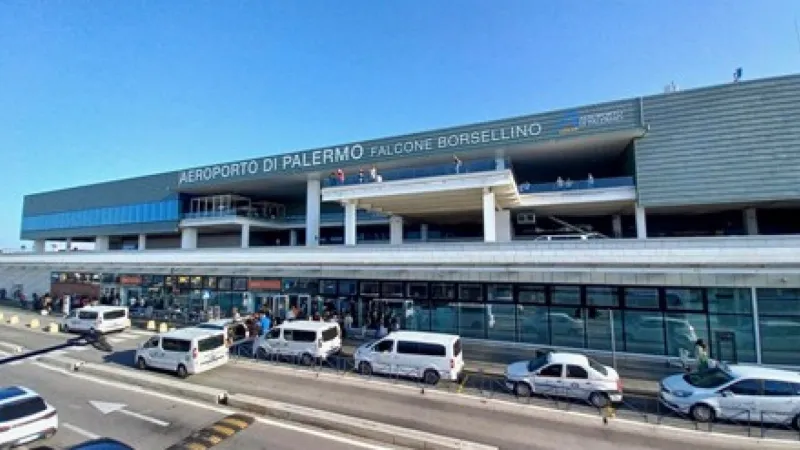
Palermo, Sicily — Airport police dramatically rescued an Italian woman from Ragusa upon her return from Egypt, where she alleged her husband had subjected her to forced segregation. The woman, whose identity remains protected, discreetly displayed a widely recognized hand signal for help, prompting immediate intervention by Polaria officers at Falcone Borsellino Airport. This critical action prevented her potential return to an oppressive situation, highlighting the effectiveness of such silent appeals.
The incident unfolded as the woman disembarked her flight, catching the trained eye of border police. Her subtle yet urgent gesture, often referred to as the Signal for Help, conveyed her distress without alerting her alleged captor or drawing overt attention, a testament to the signal's design for high-risk situations.
Originating from the Canadian Women's Foundation during the pandemic, the Signal for Help involves holding one hand up with the thumb tucked into the palm, then folding the fingers down over the thumb. This simple, one-handed action allows individuals to communicate a need for assistance silently and often surreptitiously.
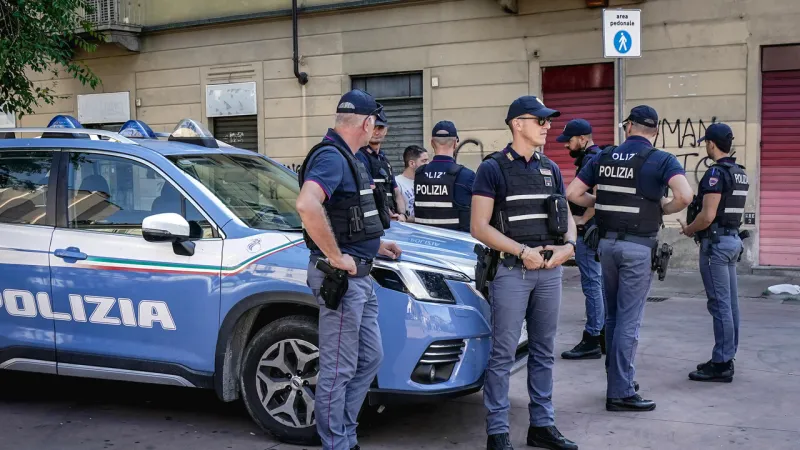
Upon observing the signal, Polaria officers, adept at recognizing such indicators of duress, moved swiftly and discreetly. They intercepted the woman, separating her from her travel companion, who is presumed to be her husband, for a more private and secure interview away from public view.
Initial inquiries confirmed the woman's claims of prolonged confinement and isolation in Egypt. She reportedly detailed a period of intense control and segregation imposed by her husband, raising serious concerns about domestic abuse and unlawful detention abroad.
The woman, a native of Ragusa in southeastern Sicily, had been living in Egypt with her husband for an unspecified duration. The circumstances leading to her return flight and the alleged period of segregation remain under investigation by Italian authorities.
This case underscores the complex challenges faced by Italian citizens experiencing domestic violence in foreign countries, where legal frameworks and cultural norms can differ significantly from those in Italy. Navigating these international legal complexities often requires intricate collaboration between diplomatic missions and local law enforcement. For Italian families, legal and social challenges can manifest in various forms, both domestically and abroad.
Italian consulates and embassies frequently work to assist citizens in distress abroad, providing legal aid, safe passage, and support services. However, cases involving spousal abuse, particularly when the victim is isolated, present unique hurdles for intervention.
The successful intervention in Palermo serves as a vital reminder of the importance of public awareness regarding distress signals and the vigilance of law enforcement. It reaffirms that even in environments designed for transit, trained professionals can detect cries for help that might otherwise go unnoticed.
Authorities are now conducting a thorough investigation into the husband's actions and the precise nature of the alleged segregation in Egypt. Depending on the findings, international legal proceedings or extradition requests may follow, given the transnational nature of the alleged crimes.
The woman is currently receiving psychological and legal support, ensuring her safety and well-being as the investigation proceeds. Her courage in utilizing the distress signal is being widely commended by women's rights advocates across Italy.
This incident also casts a spotlight on broader societal issues surrounding domestic abuse and the plight of victims, particularly those who may feel trapped or isolated. Organizations dedicated to combating domestic violence continue to emphasize the need for accessible resources and recognition of subtle signs of distress.
The swift response by Polaria reinforces the robust training protocols in place for airport security personnel, who are often the first point of contact for individuals entering or leaving the country under duress. Their expertise proved instrumental in this delicate situation.
While specific details regarding the husband's identity and any immediate charges have not been released, the case has already garnered significant attention, prompting discussions about safeguards for Italian nationals residing overseas.
This incident provides a stark example of how communication, even non-verbal, can be a lifeline for those in peril. The woman's quick thinking and the officers' astute observation combined to avert a potentially dire outcome.
The Italian judicial system will now work to ascertain the full extent of the alleged abuse and ensure justice is served, taking into account both Italian and international laws pertaining to domestic violence and human rights.