 Stefani Rindus
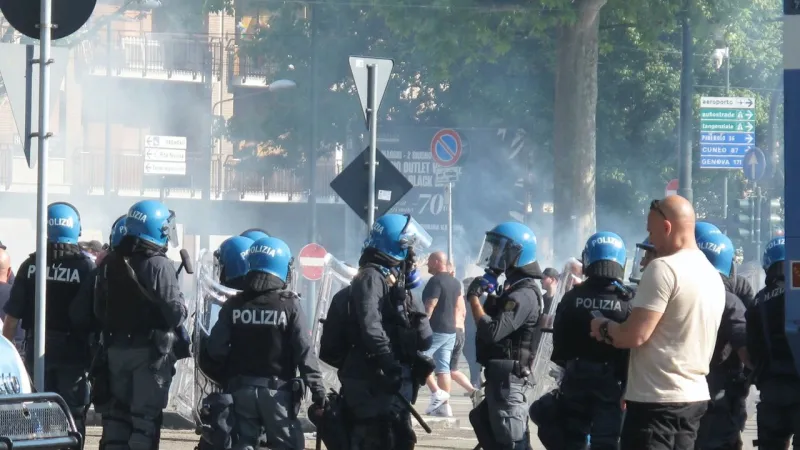
Rome – A police officer faces a "grave circumstantial evidentiary framework" following the injury of a Juventus football club supporter, a magistrate announced, highlighting significant concerns over the officer's alleged disregard for potential severe outcomes.
The judicial inquiry centers on an agent from the mobile police unit whose actions led to the fan's wounding during an incident, the specifics of which remain under investigation. This development underscores a serious judicial examination into police conduct and its implications for public trust within Italy.
According to the magistrate's statement, the agent was "incurant of possible serious consequences" regarding the fan's well-being. This assertion forms the core of the severe findings, suggesting a fundamental lapse in duty and judgment during the incident.
The phrase "grave quadro indiziario" in the Italian legal context signifies a robust collection of circumstantial evidence that strongly points towards an individual's culpability. While not a definitive conviction, it indicates sufficient grounds for criminal proceedings and a high probability of formal charges being laid against the officer.
Details surrounding the Juventus fan's injuries and the exact circumstances of the encounter with the police officer have not been fully disclosed. However, the magistrate's strong language implies the injuries sustained were considerable and the manner in which they were inflicted warrants deep scrutiny.
The involvement of a mobile police unit agent brings particular weight to the investigation. These units are often deployed in situations requiring crowd control or rapid response, endowing their personnel with significant authority that must be exercised with utmost discretion and adherence to protocol.
This incident inevitably sparks broader conversations about police accountability and the appropriate use of force, particularly in contexts involving public gatherings or sports events where tensions can escalate quickly. Civilian oversight of law enforcement actions remains an imperative for maintaining societal order and safeguarding individual rights.
Legal experts suggest that the police officer could face charges ranging from aggravated assault to more severe offenses, depending on the full extent of the fan's injuries and the precise legal interpretation of the officer's actions. The investigative phase will be critical in determining the trajectory of the case.
The findings are likely to reverberate throughout the national police force, prompting internal reviews of training protocols and operational guidelines. Such incidents often serve as catalysts for re-evaluating the measures in place to prevent misconduct and ensure appropriate engagement with the public.
Public opinion is expected to watch closely as the case unfolds. Incidents involving alleged police overreach or negligence frequently ignite widespread debate and can significantly impact the relationship between citizens and state authorities.
The judiciary's proactive stance in this matter reinforces the principle that no individual, regardless of their position, is above the law. It sends a clear message regarding the seriousness with which such allegations are being treated at the highest levels of the legal system.
The outcome of this investigation will undoubtedly set an important precedent for future cases involving allegations of police misconduct. It will test the transparency and fairness of the legal system in addressing complaints against those sworn to uphold the law.
Both the injured Juventus fan and the implicated police officer will be subject to the due process of law. The fan will seek justice for their injuries, while the officer will have the opportunity to present their defense against the magistrate's grave findings.
As the case progresses, further details are anticipated from the prosecuting authorities. The focus will remain on the thoroughness of the investigation and the impartiality of the judicial proceedings, ensuring that all facts are brought to light.
This incident adds to a complex tapestry of challenges faced by modern law enforcement agencies, balancing the need for effective crime prevention and public safety with the strict imperative to protect civil liberties and prevent abuses of power. The Italian legal system now takes center stage in navigating these delicate balances.