 Dodi Irawan
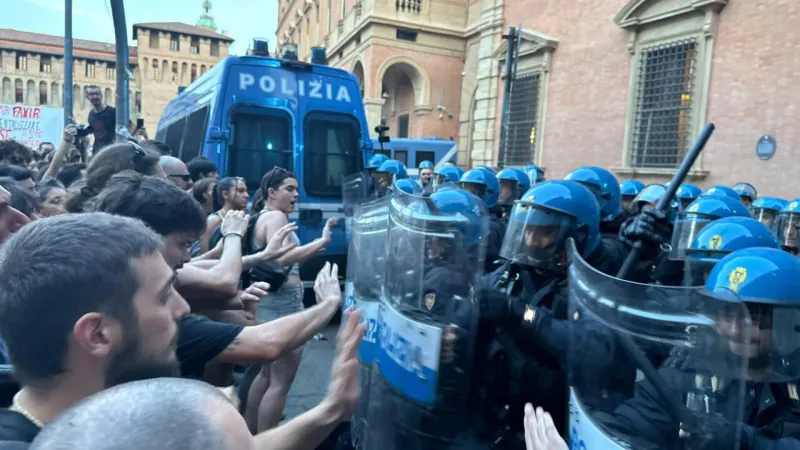
Six Italian law enforcement officers implicated in the custody death of an individual identified only as Fakir have been granted legal protection under a recently enacted officer shield law by the public prosecutor. This controversial application immediately ignited public outrage, leading to confrontations between demonstrators and police in the city of Bologna.
The decision by the prosecutor to invoke the new legislation has been met with fierce criticism from civil liberties advocates and human rights organizations. The measure, often referred to as the officer shield law, aims to protect law enforcement personnel during initial investigations, but critics argue it undermines transparency and hinders immediate accountability, particularly in sensitive cases like a death in custody.
Interior Minister Piantedosi addressed the escalating tensions, urging the public to avoid prejudice while the investigation proceeds. His statement, delivered amidst the backdrop of widespread discontent, underscored the delicate balance Italian authorities navigate between upholding legal processes and responding to public demands for justice and transparency.
In Bologna, the streets became a flashpoint of dissent, where impassioned protesters clashed with riot police. Demonstrators voiced their condemnation of the prosecutor's move, asserting that it creates an environment of impunity for state agents and obstructs the full truth from emerging regarding Fakir’s death.
The family of Fakir has unequivocally accused the state of failing to provide a clear account of the events leading to their loved one's demise. They have voiced profound distress and skepticism regarding the fairness of a process that shields officers involved in a fatal incident, intensifying calls for a thorough and unbiased investigation. The family’s anguished pleas resonate with a growing segment of the Italian populace demanding full transparency regarding the incident, as reported in related coverage, Fakir Custody Death: Six Officers Shielded As Family Cries Foul.
Fakir reportedly died while in police custody, handcuffed, under circumstances that remain contentious and largely undisclosed to the public. Details surrounding the precise cause of death and the sequence of events leading up to it are central to the ongoing investigation and the public's demand for clarity.
The officer shield law, a recent addition to Italy's legal framework, allows for certain information regarding officers under investigation to be withheld or delayed from public disclosure during preliminary stages. Proponents argue it safeguards officers from undue pressure and premature judgment, while opponents contend it risks obscuring vital evidence and eroding public trust in the justice system. For more information on this legislation, read Italy Applies Officer Shield Law in Handcuffed Death Probe.
This application marks one of the most high-profile instances where the new law has been invoked, drawing national attention to its implications for police accountability. It reignites long-standing debates within Italy concerning law enforcement conduct and the efficacy of oversight mechanisms designed to ensure fair treatment and justice for all citizens.
Critics argue that such legal protections, while perhaps intended to prevent character assassination, inadvertently foster an environment where accountability can be perceived as secondary. This perception often fuels public distrust, especially when individuals die during interactions with state authorities.
Minister Piantedosi’s appeal against prejudice suggests a recognition of the charged atmosphere and the need for due process. However, for many, the very act of shielding officers before a comprehensive public explanation compounds the perception of bias and a lack of transparency.
The public prosecutor’s office maintains that the application of the shield law strictly adheres to legal provisions and does not impede the overall course of justice. They assert that the investigation into Fakir’s death will continue rigorously to ascertain all facts and assign responsibility where appropriate.
Despite these assurances, civil society organizations have vowed to continue their protests, advocating for the immediate revocation of the shield for the officers involved. They underscore the imperative of robust public scrutiny in cases of deaths in state custody to uphold democratic principles and ensure that justice is not merely done, but seen to be done.