 Dodi Irawan
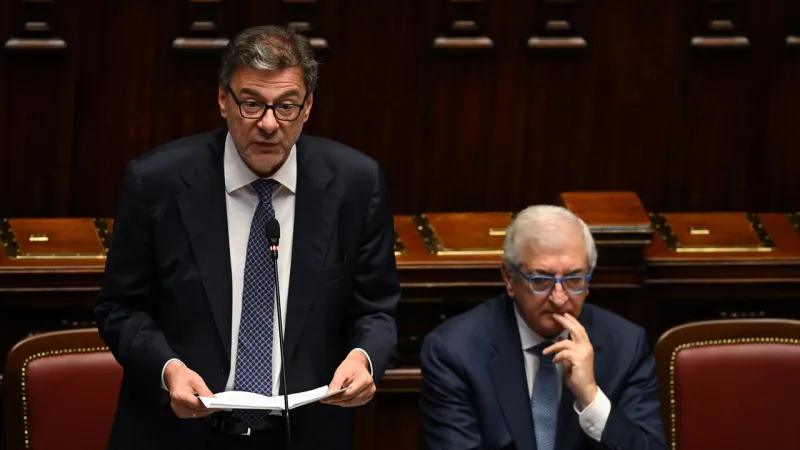
Rome – Italy formally communicated to the European Union its strong preference for maximum flexibility regarding energy safeguard clauses and a dedicated 0.9% share of national Gross Domestic Product for defense spending, a pivotal move spearheaded by Economy Minister Giancarlo Giorgetti amidst internal political divisions.
The strategic request aims to secure essential budgetary space for critical national priorities, particularly as European nations navigate complex economic landscapes and evolving geopolitical challenges. While the ruling majority endorsed a resolution supporting the government's stance, the Lega party has called for specific modifications to the text, and the Democratic Party (PD) faces internal dissent on the matter.
These safeguard clauses, integral to the European Union's fiscal framework, dictate parameters for national spending and debt. Italy's push for flexibility on energy specifically addresses the need to fund green transitions, ensure energy security, and cushion consumers from volatile market fluctuations without undue fiscal constraints imposed by Brussels.
The demand for a 0.9% allocation of GDP to defense expenditure underscores a broader European trend toward enhanced security capabilities. Amidst shifting global power dynamics and ongoing conflicts on Europe's periphery, nations like Italy are recalibrating their defense investments, seeking to meet NATO obligations and strengthen their strategic autonomy. The specified percentage reflects a commitment to modernization and readiness.
Minister Giorgetti presented the nation's position to parliament, emphasizing the imperative of balancing fiscal responsibility with national sovereignty and urgent investment needs. His communications highlighted the dual challenges of economic competitiveness and geopolitical stability, framing the requests as vital for Italy's future resilience within the bloc.
The resolution, which received a majority vote of approval, signifies a broad parliamentary consensus on the government's overall objectives. However, the path to a unified national front appears intricate, as demonstrated by subsequent political maneuvering.
The Lega party, a key component of the ruling coalition, expressed reservations, advocating for specific alterations to the resolution. These proposed changes often reflect differing ideological approaches to economic policy and the extent of national autonomy versus European integration, particularly concerning budgetary commitments.
Simultaneously, the center-left Democratic Party (PD) grappled with internal divisions over the exact wording and implications of the government's approach. Such fragmentation within opposition ranks can complicate national negotiations with the EU, potentially weakening Italy's bargaining position or delaying a cohesive strategy.
These negotiations over safeguard clauses carry significant implications for Italy's long-term economic trajectory and its relationship with the European Union's stricter fiscal rules. Historically, Italy has often sought greater flexibility from Brussels, citing unique national circumstances and socio-economic imperatives.
The outcome of these discussions will not only shape Italy's budget for the coming years but could also set precedents for how other member states approach their own fiscal and defense commitments within the evolving EU framework. The European Commission consistently monitors national budgets to ensure compliance with Stability and Growth Pact guidelines.
Italy's energy strategy is heavily reliant on a balanced transition away from fossil fuels while ensuring supply security, a challenge exacerbated by recent global energy crises. The requested flexibility would grant the government more latitude in funding renewable energy projects, energy efficiency programs, and targeted support for households and businesses.
From a defense perspective, the 0.9% GDP target aims to address critical gaps in military capabilities, invest in advanced technologies, and contribute more robustly to international security missions. This commitment aligns with broader calls from NATO for European allies to increase their defense spending.
Political analysts suggest that the internal debates within Italy's parliament, particularly the Lega's call for modifications and the PD's internal split, reflect the inherent tensions in reconciling national interests with shared European obligations. The final resolution will require delicate political balancing.
The European Union, while committed to fiscal prudence, has shown willingness to consider specific national circumstances, particularly in areas deemed strategically vital, such as energy security and defense. However, such concessions often come with stringent conditions and oversight mechanisms.
Minister Giorgetti's communications mark the beginning of a potentially protracted negotiation process with Brussels. The Italian government will need to articulate its case meticulously, providing detailed justifications for its requests to gain traction among its European partners and the Commission.
Ultimately, the ability of Italy to secure these concessions will depend on a combination of persuasive diplomacy, robust economic arguments, and a demonstration of internal political cohesion. The delicate interplay between national fiscal autonomy and shared European budgetary discipline remains a central theme in these pivotal discussions surrounding safeguard clauses.