 Angel Doris
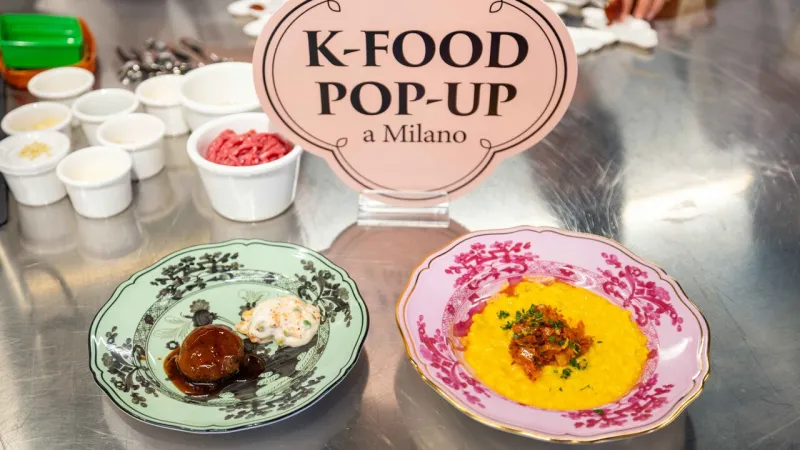
A groundbreaking pop-up culinary event in Milan has recently brought together the distinct gastronomic traditions of Milanese and Korean cuisine, fostering a unique dialogue through innovative fusion recipes. This venture aims to harmoniously blend iconic Italian dishes such as risotto and mondeghili with the vibrant flavors of Korean kimchi, creating an unexpected yet celebrated culinary experience for patrons.
The initiative, representing a distinctive blend often described as Milanese K-food, transcends mere novelty, serving as a cultural bridge between two rich culinary heritages. Organizers designed the event to challenge palates and perceptions, presenting a thoughtful integration rather than a mere juxtaposition of ingredients. This approach aligns with a global trend of cross-cultural gastronomy, seeking to discover new taste profiles within established frameworks.
Milanese cuisine, renowned for its comforting yet sophisticated dishes, finds its quintessential expressions in creations like risotto alla milanese and mondeghili. Risotto, a creamy rice dish, often saffron-infused, embodies the regions agricultural bounty, while mondeghili, traditional Milanese meatballs, speak to a history of resourceful yet delicious home cooking. These dishes form the bedrock of local culinary identity.
On the other side of this gastronomic exchange is K-food, or Korean cuisine, celebrated worldwide for its bold flavors, fermented ingredients, and emphasis on balance. Kimchi, a staple of Korean meals, leads this charge, offering a complex profile of spice, tang, and umami. Its versatility allows it to elevate and transform a wide array of dishes, making it an ideal candidate for fusion experiments.
The culinary innovators behind this initiative carefully curated a menu that respects the integrity of both traditions while forging new paths. Recipes feature classic Milanese preparations subtly infused with Korean elements. For instance, a risotto might be finished with a delicate kimchi broth or topped with finely julienned fermented vegetables, offering an intriguing counterpoint to its inherent richness.
Similarly, mondeghili receive a modern Korean twist. The traditional breaded meatballs could incorporate a hint of gochujang or be served with a mild kimchi relish, providing an exciting textural and flavor contrast. This meticulous approach ensures that neither cuisine overwhelms the other but rather complements and enhances the overall dining experience.
The pop-up has garnered significant attention from both local food critics and international gastronomes visiting Milan. Initial reviews highlight the inventive spirit and the surprising harmony achieved in the dishes. Many commend the boldness of the concept, acknowledging the inherent risk in blending such distinct flavor profiles but praising the execution as masterful.
This type of culinary exchange is not isolated. Across Europe and beyond, chefs are increasingly exploring the boundaries of traditional cooking, drawing inspiration from diverse global kitchens. Italy, with its deeply ingrained food culture, has historically been cautious about external influences, but events like this suggest a growing openness to thoughtful gastronomic evolution. The global food scene is dynamic.
The success of this Milanese K-food venture could signal a broader acceptance of fusion cuisine within Italy, potentially inspiring other regions to explore similar cross-cultural dialogues. Such initiatives not only tantalize taste buds but also serve as potent vehicles for cultural understanding and exchange, fostering appreciation for diverse traditions through a shared love of food.
Economically, these pop-up models demonstrate agility and innovation in the restaurant industry. They allow chefs to experiment with new concepts without the overhead of permanent establishments, testing market demand and refining ideas. This flexibility is crucial in the evolving landscape of contemporary dining, especially in bustling metropolitan centers like Milan.
Looking ahead, the organizers plan to potentially expand the duration of the current pop-up or explore other Italian cities for similar cross-cultural food events. The enthusiastic reception confirms a strong appetite among consumers for unique and authentic culinary experiences that push traditional boundaries.
This innovative approach to cuisine mirrors broader industrial developments in Italy, as seen in Barilla's recent announcement regarding its significant industrial plan to revitalize Southern Italy, highlighting a nationwide drive for growth and modernization across various sectors, including food production and distribution. Barilla Unveils Major Industrial Plan to Revitalize Southern Italy.