 Angela Stefani
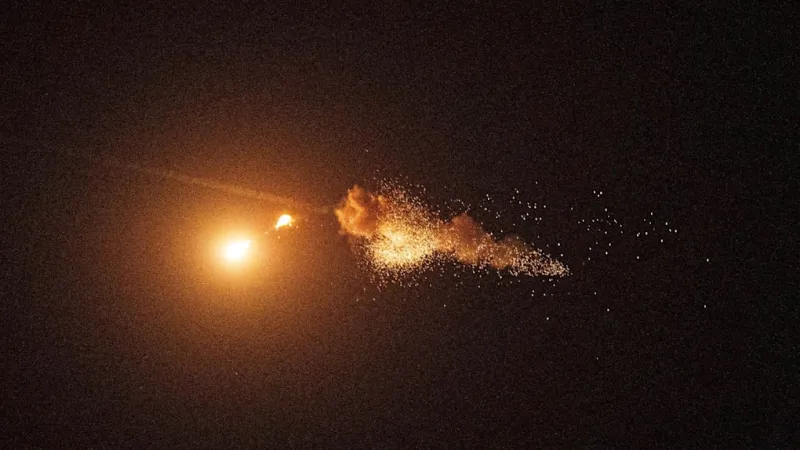
The capital city of Kyiv announced a significant shift in its daily wartime communications Tuesday, as Ukraine's Air Force spokesperson revealed new restrictions on publicly reporting Russian missile attacks. The move, effective immediately, entails withholding several categories of information previously shared with the public and international observers, sparking questions about operational transparency during ongoing hostilities.
This strategic pivot in information dissemination comes directly from Ukraine's Air Force, which cited the necessity for "certain changes" in its reporting methodology. Officials indicate the adjustments are crucial for national security, aiming to prevent the inadvertent disclosure of sensitive operational data that could benefit adversary forces.
Historically, Ukraine has provided extensive daily updates detailing the number, type, and approximate trajectory of incoming Russian missiles and drones, alongside damage assessments. This consistent flow of intelligence served to inform both its populace and global allies, reinforcing the scale and nature of the aggression.
The decision to scale back these detailed reports suggests a re-evaluation of information security protocols as the conflict evolves. Military analysts often note that such measures can serve to obscure operational capabilities, missile defense effectiveness, or troop movements from enemy intelligence gathering.
Concurrently, the occupied Crimean Peninsula experienced a widespread power outage, further complicating the volatile regional landscape. Reports from the ground indicated significant disruptions to daily life across several districts, with the cause of the blackout not immediately apparent.
The power failure in Crimea affected critical infrastructure and residential areas, plunging communities into darkness. While Ukrainian authorities did not immediately claim responsibility or provide details, the incident occurred against a backdrop of ongoing Ukrainian efforts to disrupt Russian logistical and military assets in the occupied territories.
The reduction in detailed missile attack data could be interpreted as a strategic play to complicate Russia's ability to assess the impact and effectiveness of its own strikes. By limiting precise figures or locations, Ukraine aims to deny its enemy valuable feedback loops essential for refining attack strategies.
This shift echoes wartime practices seen in various conflicts, where belligerents selectively release or withhold information to manage narratives, protect assets, and maintain a psychological edge. Such policies inherently challenge the public's right to know, balancing it against perceived national security imperatives.
The lack of granular information regarding missile incidents might also influence international aid and support, which often relies on verifiable data to assess battlefield needs and allocate resources. It underscores the constant challenge of maintaining public and allied confidence while implementing necessary operational secrecy.
The broader context of the conflict remains intensely fluid, with both sides engaging in sophisticated information warfare alongside conventional military operations. The precise rationale behind Kyiv's latest directive will undoubtedly be scrutinized by defense intelligence agencies worldwide.
Such operational adaptations are not uncommon in protracted conflicts. For instance, reports from the front lines often highlight the brutal conditions faced by soldiers, where even basic resources like water become scarce, as evidenced by grim accounts such as those where Ukrainian troops alleged twelve days without water. These realities emphasize the constant, evolving challenges on the ground.
As the conflict progresses into 2026, both Ukraine and Russia continuously adapt their military and information strategies. The global security landscape, marked by discussions on advanced defense systems and geopolitical realignments, continues to be shaped by the ongoing hostilities. The strengthening of defense capabilities, including initiatives like NATO's Eastern Flank bolstering defense with an AI-powered kill web, reflects the wider response to such evolving threats.
The decision to limit public information comes at a critical juncture, as international attention remains focused on the stability of the region and the implications of the prolonged engagement. The move underscores the dynamic nature of modern warfare, where control over information is as vital as control over territory.
This development ensures that future daily briefings from the Ukrainian Air Force will present a more streamlined, less granular overview of aerial engagements, pushing the burden of detailed assessment onto specialized intelligence channels rather than public reports.