Chris Robert
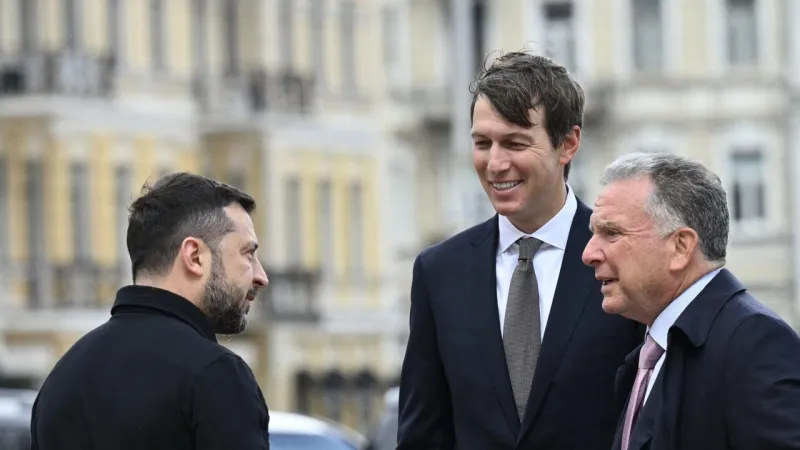
KYIV – A high-profile visit by Jared Kushner and Steven Witkoff to the Ukrainian capital this week concluded without any tangible breakthroughs in the protracted conflict, underscoring the formidable diplomatic challenges that persist. Ukrainian President Volodymyr Zelensky firmly reiterated his nation's stance on territorial integrity, while United States officials, speaking from Washington, signaled the necessity of compromises. Simultaneously, Moscow intensified geopolitical tensions by issuing new threats directed at Berlin. The ongoing war, now in its latest phase, continues to define regional and global dynamics, leaving the path to peace fraught with obstacles.
Mr. Kushner, a prominent figure known for his prior involvement in diplomatic endeavors, and Mr. Witkoff, a real estate mogul, engaged with various Ukrainian officials during their stay. Their visit, primarily focused on assessing the countrys long-term reconstruction needs and potential investment opportunities, inevitably touched upon the overarching security situation. However, the discussions appear to have yielded no immediate shifts in the stalemated peace process.
President Zelensky, addressing the media following these engagements, emphasized that the issue of territorial sovereignty remains a fundamental principle for Ukrainian leadership. His declaration, "The theme of the territories is for a leader," underscored Kyivs unwavering commitment to reclaiming all occupied lands, drawing a clear line against any concessions that would legitimize Russian gains. This firm position complicates any overtures towards a negotiated settlement.
Concurrently, statements emanating from the United States indicated a growing recognition of the intricate path to de-escalation. While affirming robust support for Ukraine, US officials suggested that a lasting resolution would likely necessitate difficult compromises from all parties involved. This perspective, though not explicitly detailing the nature of such compromises, hints at the complexities President Donald Trumps administration navigates in its efforts to mediate the conflict.
Further complicating the already tense landscape, Moscow issued fresh warnings toward Berlin. The specifics of these threats were not immediately detailed, but they contribute to an increasingly volatile geopolitical climate where rhetoric often precedes action. Russia has consistently sought to fracture Western unity, and targeting key European allies remains a consistent tactic.
Despite the high-level diplomatic activity and international calls for de-escalation, the grim reality on the ground confirms that the conflict endures. Daily reports of intense fighting, casualties, and infrastructure damage serve as a stark reminder that military operations continue unabated across various fronts, particularly in eastern and southern Ukraine. The prospect of a swift cessation of hostilities appears distant.
The dual focus of the Kushner and Witkoff visit—assessing reconstruction while the war rages—highlights the paradoxical nature of the situation. While discussions around future investment are crucial for Ukraines long-term recovery, the immediate imperative remains ending the hostilities. The ability to rebuild effectively hinges on a stable peace, which currently eludes diplomatic efforts.
The international community largely remains united in its condemnation of the invasion and its support for Ukraines sovereignty. However, divergences in approaches to peace negotiations and the specific terms of a potential settlement continue to emerge. These differences often create friction, even among allies, regarding the most effective strategy to bring the conflict to a close.
The enduring conflict and the associated geopolitical tensions continue to send ripples across Europe. Energy security, refugee flows, and defense spending remain central concerns for European capitals. Moscows latest threat to Berlin further exemplifies the broader destabilizing impact of the Ukraine war on regional stability.
President Donald Trumps administration finds itself at a critical juncture regarding its role in brokering a resolution. Balancing robust support for Ukraine with calls for pragmatic compromises requires delicate diplomatic maneuvering. The US position is pivotal in shaping both the military and political trajectories of the ongoing crisis.
The intractable nature of the territorial dispute, as underscored by President Zelensky, suggests that any lasting peace agreement will necessitate incredibly complex negotiations. Without a resolution on this core issue, the conflict risks becoming a prolonged frozen conflict, or worse, reigniting with renewed intensity in the future, with significant global repercussions.
Ultimately, the visit by Mr. Kushner and Mr. Witkoff to Kyiv serves as a microcosm of the larger diplomatic stalemate. Despite international pressure and persistent efforts, the fundamental disagreements between warring parties, coupled with escalating rhetoric, mean that the declaration "the war continues" remains an unfortunate and accurate summation of the current state of affairs in 2026.