Chandra Wijayanto
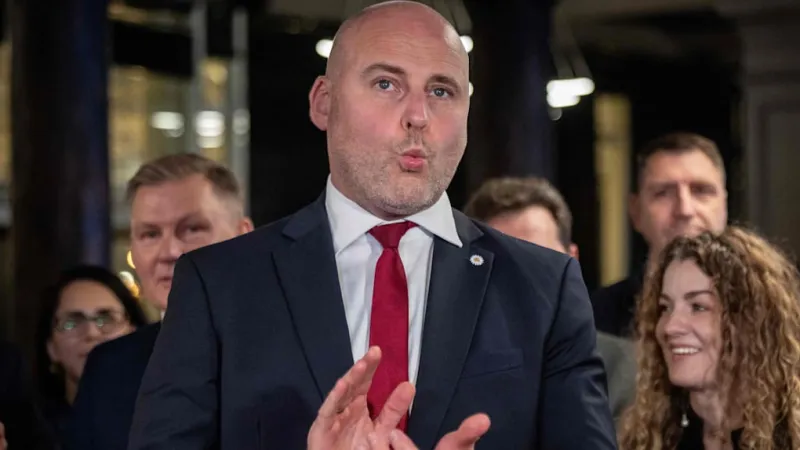
Riga, Latvia – Prime Minister Andris Kulbergs’ center-right governing party has secured a commanding lead in recent electoral projections, poised to capture an estimated 35.6 percent of the vote. This robust performance comes as the nation grapples with profound national security concerns, primarily fueled by Russia’s ongoing war of aggression against neighboring Ukraine.
The results position Kulbergs’ party significantly ahead of both left and right opposition factions, underscoring a clear mandate from the electorate. The unexpected margin of victory highlights a unified public sentiment focused on stability and strong leadership during a period of geopolitical uncertainty.
Central to the campaign narrative was the imperative for Latvia, a crucial NATO member, to maintain an unyielding defense posture. Discussions revolved less around domestic economic policy and more on geopolitical risks, with candidates consistently addressing the broader implications of regional conflict.
The shadow cast by Russia’s full-scale invasion of Ukraine, which commenced in February 2022, has fundamentally reshaped the political discourse across the Baltic states. For Latvia, sharing a border with Russia and its ally Belarus, the conflict is not a distant concern but an immediate existential factor.
Prime Minister Kulbergs, often echoing a sentiment translated as 'we must be strong,' effectively leveraged this deep-seated concern. His party’s platform emphasized increased defense spending, reinforced alliances, and a resolute rejection of any form of Russian irredentism, resonating powerfully with voters.
Analysts suggest that this electoral outcome will solidify Latvia’s hawkish foreign policy stance within both NATO and the European Union. The government is expected to continue advocating for robust sanctions against Moscow and intensified military aid to Kiev, aligning with the concerns of Western allies. The gravity of the situation in the region has been further underscored by events such as recent reports of Russian missiles targeting critical Kiev infrastructure.
The mandate also reflects a broader trend observed across Eastern and Central Europe, where concerns over national sovereignty and territorial integrity have increasingly dominated election cycles. Citizens in countries proximate to the conflict zone are prioritizing political parties that promise unwavering defense and security guarantees.
Latvia’s historical experience, including decades under Soviet occupation, provides a vital context for its contemporary security anxieties. The nation’s hard-won independence and its subsequent integration into Western security structures remain deeply embedded in the collective consciousness, influencing political choices significantly.
While economic issues traditionally play a prominent role in elections, the overarching security agenda in this Latvian election appeared to eclipse other domestic priorities. Voters seemed willing to overlook internal policy debates in favor of a clear direction on national defense.
This strong showing provides Kulbergs with a robust platform to navigate complex international relations and pursue domestic reforms. However, the path ahead will still require careful coalition management and continued public engagement on the fiscal implications of increased defense outlays.
The Prime Minister's emphasis on national resilience and vigilance also serves as a poignant reminder to the international community of the enduring threat perception in the Baltics. This aligns with broader concerns about regional stability, echoed by various international bodies.
As Latvia prepares for its next governmental term under Kulbergs, the focus will undoubtedly remain on consolidating national strength and ensuring the country's unwavering commitment to its allies. The election results demonstrate a decisive pivot towards security-first governance in a volatile global landscape.