 Dodi Irawan
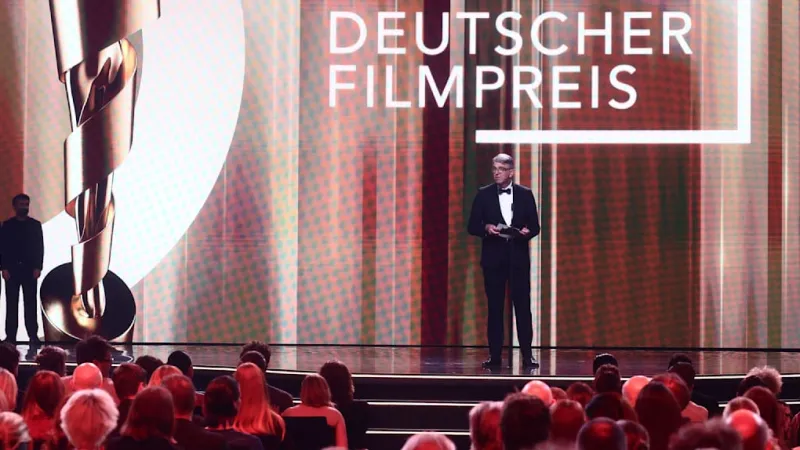
Berlin celebrated an unprecedented night for German cinema as Mascha Schilinski's compelling drama, "Looking into the Sun," spectacularly dominated the annual German Film Awards, securing an astounding ten coveted Lola statuettes. The film's overwhelming success marks a significant moment for the national film industry.
The multi-award-winning picture, a poignant exploration of contemporary themes, cemented its critical acclaim by not only clinching the top prize for Best Feature Film but also collecting accolades across major categories, showcasing a remarkable breadth of achievement in storytelling and production.
Amidst the widespread celebration, legendary actress Senta Berger received a poignant honor for her compelling performance in "Ach, diese Lücke, diese entsetzliche Lücke." Berger, a revered figure in German cinema with a distinguished career, expressed visible emotion and profound gratitude upon accepting her award, underscoring the deep personal impact of such recognition from her peers.
Often referred to as the Lola Awards, the German Film Awards stand as the most prestigious accolades in the nation's cinematic landscape. Administered by the German Film Academy and generously funded by the Federal Government Commissioner for Culture and the Media, they celebrate excellence and actively foster the continued development of German film, acknowledging both artistic merit and commercial success.
With a rich history stretching back decades, these awards play a crucial role in promoting German films both domestically and internationally. A significant win at the Lolas often serves as a powerful springboard for wider recognition and success on the global stage, elevating the profiles of burgeoning filmmakers and established actors alike.
Schilinski's visionary direction and profound storytelling in "Looking into the Sun" have been lauded by critics, positioning her as a formidable talent within European cinema. Her exceptional ability to craft narratives that resonate deeply with audiences has now been emphatically validated by her industry peers through this extraordinary sweep of awards.
The drama is universally praised for its nuanced performances, innovative cinematography, and a meticulously crafted script that tackles complex societal issues with remarkable sensitivity and intelligence. Its broad appeal across artistic and technical categories highlights a holistic filmmaking triumph, demonstrating excellence in every facet of its creation.
Such a resounding victory for a single film injects considerable excitement and momentum into the German film industry. It inspires emerging filmmakers to push creative boundaries and showcases the vibrant creativity thriving within the nation's cultural sector, proving German cinema's enduring vitality.
The success of "Looking into the Sun" also reflects the current trends and thematic concerns that captivate German audiences, signaling a strong demand for thoughtful, character-driven narratives that challenge, engage, and offer profound insights into the human condition.
Senta Berger's celebrated role in "Ach, diese Lücke, diese entsetzliche Lücke" was distinguished for its depth, emotional authenticity, and magnetic screen presence. Her poignant portrayal captured the hearts of the jury, earning her a well-deserved recognition that adds another illustrious chapter to her storied and impactful career.
The awards ceremony itself was a glittering affair, bringing together luminaries of German film and culture to celebrate a year of remarkable cinematic achievements. The jubilant atmosphere underscored a collective pride in the industry's artistic contributions and its capacity for producing world-class cinema.
Looking ahead, the dominant performance of "Looking into the Sun" at the German Film Awards is expected to generate significant international interest. This triumph will likely lead to lucrative distribution deals and prominent screenings at major global film festivals, further amplifying its reach and cementing its place in cinematic history.