Robert Andrison
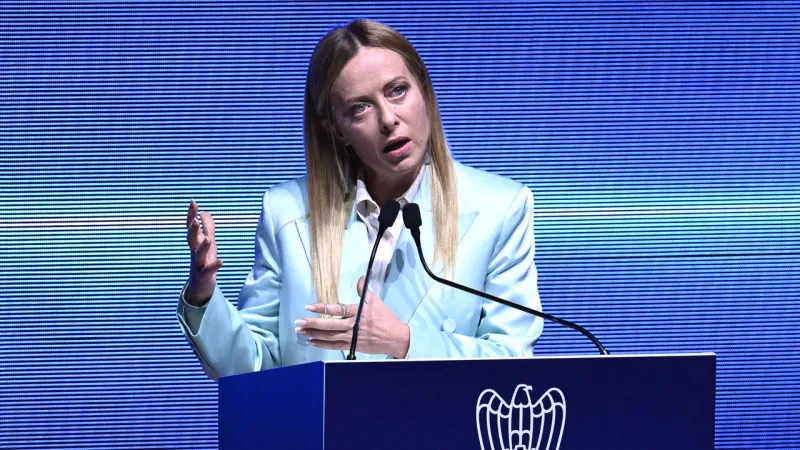
Milan - Italian Premier Giorgia Meloni issued a pointed call for structural and long-term energy solutions and greater flexibility from the European Union, addressing the Assolombarda assembly of Lombardy entrepreneurs. Her remarks underscored a critical need for governmental support to bolster Italian industry against persistent economic headwinds.
Speaking before a gathering of influential business leaders, Meloni stressed that Italy could no longer rely on temporary measures to navigate the complex global energy landscape. She articulated a vision demanding proactive, durable strategies that transcend short-term fixes.
“At the EU Council, I will personally re-propose the flexibility issue,” Meloni stated, signaling her commitment to pushing for a more adaptable European framework. This promise highlights a direct diplomatic initiative she intends to undertake.
Her address resonated with the concerns of industrial executives, who have long advocated for a more stable and predictable energy environment. The costs and availability of energy remain paramount challenges affecting competitiveness and investment decisions across sectors.
Meloni also emphasized her administration's philosophy regarding the state's interaction with the private sector. “Industry needs an allied state that does not obstruct,” she asserted, positioning the government as a facilitator rather than an impediment to economic growth.
The demand for EU flexibility regarding energy policy stems from varied national energy mixes and economic structures within the bloc. Italy, like many member states, seeks greater autonomy to tailor responses to its specific industrial requirements without being unduly constrained by universal mandates.
This push for flexibility is interwoven with a broader strategy to enhance Italy's industrial base and reduce its reliance on external energy sources where possible. It signifies an effort to secure national economic sovereignty within the European framework.
For Italian enterprises, particularly those in energy-intensive sectors, the prospect of more stable and competitively priced energy is crucial. Such measures could significantly impact manufacturing output, employment levels, and the nation's overall economic recovery.
Meloni's intention to personally advocate at the upcoming European Council meeting sets the stage for potentially robust discussions among heads of state. Her intervention seeks to shift the discourse towards a more pragmatic approach to energy governance across the continent.
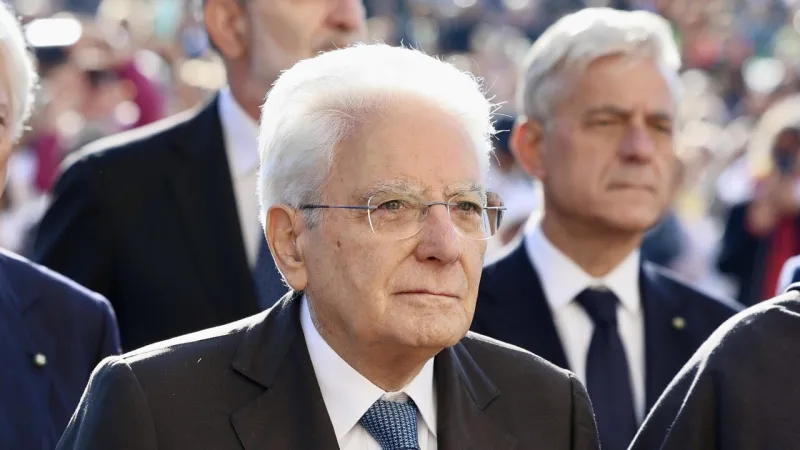
This stance aligns with a consistent theme from Italian leadership regarding the nation's professional and industrial prowess. President Sergio Mattarella, for example, has previously lauded organizations like CIDA for their long-standing influence on Italian professionals, reinforcing the importance of a strong, supported professional class within the national fabric. President Mattarella Lauds CIDA's Eight-Decade Influence on Italian Professionals.
The current global climate, marked by geopolitical tensions and supply chain disruptions, amplifies the urgency of Italy's quest for energy security and flexible policy tools. Price volatility continues to pose significant challenges to planning and investment.
Meloni's emphasis on structural responses suggests a move beyond temporary subsidies or emergency relief. It points to investments in renewable energy, diversification of supply, and improvements in energy efficiency as fundamental pillars of a new national strategy.
The challenge for Meloni energy flexibility lies in balancing Italy's specific industrial needs with the broader goals of European energy solidarity and the bloc's ambitious climate targets. Constructive dialogue will be key to achieving consensus.
Industry leaders present at the Assolombarda event likely welcomed the Premier's direct acknowledgement of their challenges and her promise of proactive engagement. Such assurances are vital for fostering entrepreneurial confidence and encouraging domestic investment.
As the EU Council meeting approaches, international observers will closely watch how Meloni's arguments are received and what concessions or new frameworks might emerge. The outcome could significantly shape not only Italy's energy future but also the broader direction of European economic policy.