Gabriella
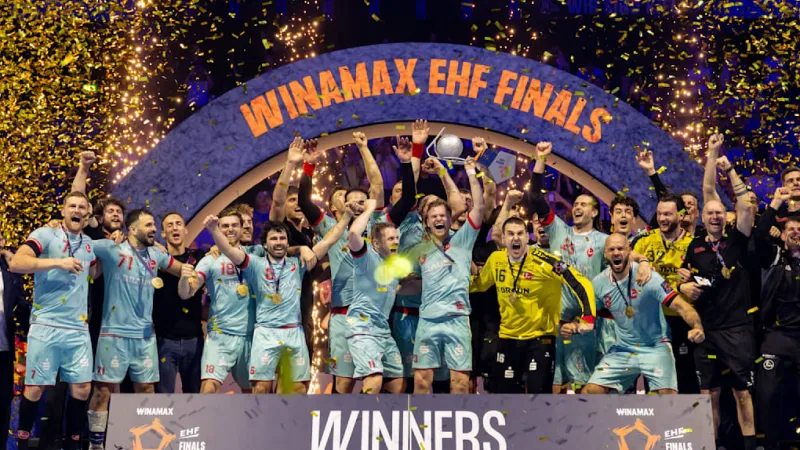
MT Melsungen etched its name into handball history by securing the prestigious European League title, marking the club's most significant achievement to date. The triumph concurrently delivered a devastating blow to rival THW Kiel, whose season concluded without any silverware, an outcome many are calling catastrophic for the storied club.
For Melsungen, a club often operating in the shadow of German handball giants, this victory represents the culmination of years of strategic development and unwavering determination. The team's ascension to continental glory underscores a changing dynamic within the sport, signaling a formidable new presence on the European stage. Their consistent performance throughout the tournament, culminating in a decisive final match, solidified their status as deserving champions.
The path to the European League title was not without its challenges, yet Melsungen displayed remarkable resilience and tactical prowess. Coach Roberto Garcia's astute leadership and the exceptional contributions of key players like playmaker Juri Knorr and goalkeeper Adam Morawski proved instrumental. Their collective effort allowed Melsungen to navigate a demanding schedule and overcome formidable opponents from across Europe.
Celebrations erupted in Melsungen following the final whistle, as fans poured into the streets, reveling in their team's unprecedented success. The atmosphere was one of pure jubilation, a vivid contrast to the usual dominance of traditional powerhouses. This victory provides an immense boost to the club's profile, attracting new talent and solidifying its financial stability for future campaigns.
Conversely, the mood in Kiel remains somber. THW Kiel, a club synonymous with success and possessing a trophy cabinet brimming with national championships and Champions League titles, experienced a season that defied all expectations. Their failure to secure any major trophy marks a significant departure from their illustrious past, leaving fans and pundits bewildered.
The Zebras, as THW Kiel is affectionately known, began the season with high aspirations across all competitions: the German Bundesliga, the DHB-Pokal, and the EHF Champions League. However, a series of inconsistent performances, key injuries, and an inability to close out critical matches plagued their campaign from early on. Their exit from other competitions paved the way for a desperate push in the European League, making Melsungen's victory even more painful.
This trophy-less year is particularly galling for Kiel given their historical pedigree. For decades, they have been the benchmark for excellence in German and European handball, often securing multiple titles in a single season. The current drought represents a stark warning sign, prompting urgent questions about the team's long-term strategy and coaching stability.
Club officials in Kiel are expected to undertake a thorough review of the season. The pressure mounts on management and the coaching staff to identify the root causes of this unprecedented decline and implement immediate changes to prevent a recurrence. Fans, while disappointed, are vocal in their demand for accountability and a swift return to winning ways.
The contrast between the two clubs could not be starker. Melsungen's triumph highlights the potential for emerging teams to challenge established hierarchies, demonstrating that strategic planning and team cohesion can indeed overcome traditional advantages. It offers a compelling narrative of underdog success against a backdrop of fallen giants.
This shift also reverberates through the broader European handball landscape. While traditional clubs like Barcelona, Paris Saint-Germain, and Veszprem continue to contend, Melsungen's victory signifies a widening of the competitive field. It suggests a more unpredictable and exciting future for the sport, where new contenders can emerge and reshape the established order.
Looking ahead, MT Melsungen will now face the challenge of defending its European League title and building upon this historic foundation. The spotlight will be on them to prove this was not a one-off achievement but the beginning of a sustained period of success. Securing top-tier talent and maintaining their winning mentality will be paramount.
For THW Kiel, the immediate future involves a rigorous rebuilding phase. Reinstating their dominance will require not only strategic player acquisitions but also a profound re-evaluation of their team culture and performance pathways. The upcoming transfer window and pre-season preparations will be critical in determining whether they can quickly rebound from this catastrophic setback and reclaim their position at the pinnacle of European handball.
The 2026 handball season will undoubtedly be remembered for its dramatic conclusion: a celebration of Melsungen's historic rise and a sober reflection on Kiel's unexpected fall from grace. This narrative provides a compelling example of the unpredictable nature of elite sports, where fortunes can shift dramatically in a single championship encounter.